
How our students lived Día de los Muertos through a story, a butterfly and the memory of their grandparents, all in Spanish.
At Isabella & Ferdinand, Día de los Muertos is much more than an altar or a date on the calendar. It is a chance to celebrate life, literature, imagination, nature and the extraordinary legacy of those who came before us.
This year, our students spent almost two weeks getting ready for it. They read a book, followed a migration across a continent, ran science experiments, designed their own calaveras and talked about their families. Every step of the way, they did it in Spanish.
Here is what that journey looked like, inside our classrooms and out in the city.
One tradition, many ways to remember
On November 1 and 2, families across Latin America remember their loved ones. The spirit is the same everywhere, but each country celebrates in its own way:
Mexico: families build ofrendas with photos, candles, food and golden cempasúchil flowers.
Guatemala: giant, colorful kites fly over the cemeteries, carrying messages to those who are gone.
Peru: families bake t'anta wawas, sweet breads shaped like babies, and share them at home and at the cemetery.
El Salvador: cemeteries glow with candles as families visit, clean and decorate the graves.
Ecuador: families gather around food, music and flowers, often with colada morada and bread figures.
We shared this map of traditions on our Instagram, because it shows children something important: Spanish is spoken in many countries, and each one has its own stories to tell.
A story to begin: My Name Is Gabito
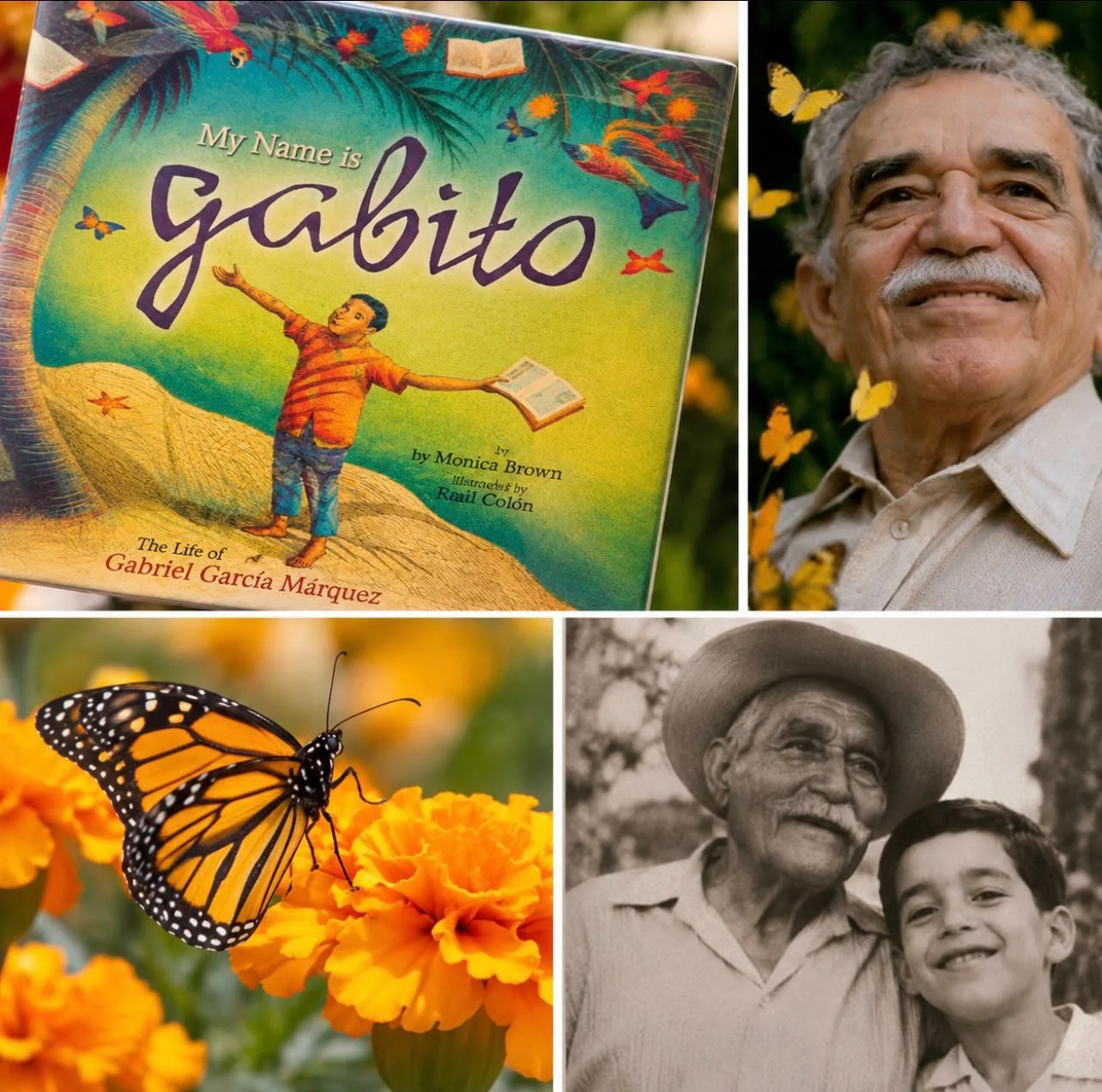
We opened the season with literature. For almost two weeks, our students explored the world of Gabriel García Márquez through the book My Name Is Gabito / Mi nombre es Gabito, which tells the story of his childhood.
Gabo grew up with his grandparents in a house full of stories. His grandmother told tales where the extraordinary felt completely normal, and that magic later filled his books with yellow butterflies and impossible things that seem true.
Through his memories, our students discovered how imagination, family and cultural heritage become part of who we are. It was the perfect bridge to Día de los Muertos: a celebration built on remembering the people who shaped us.
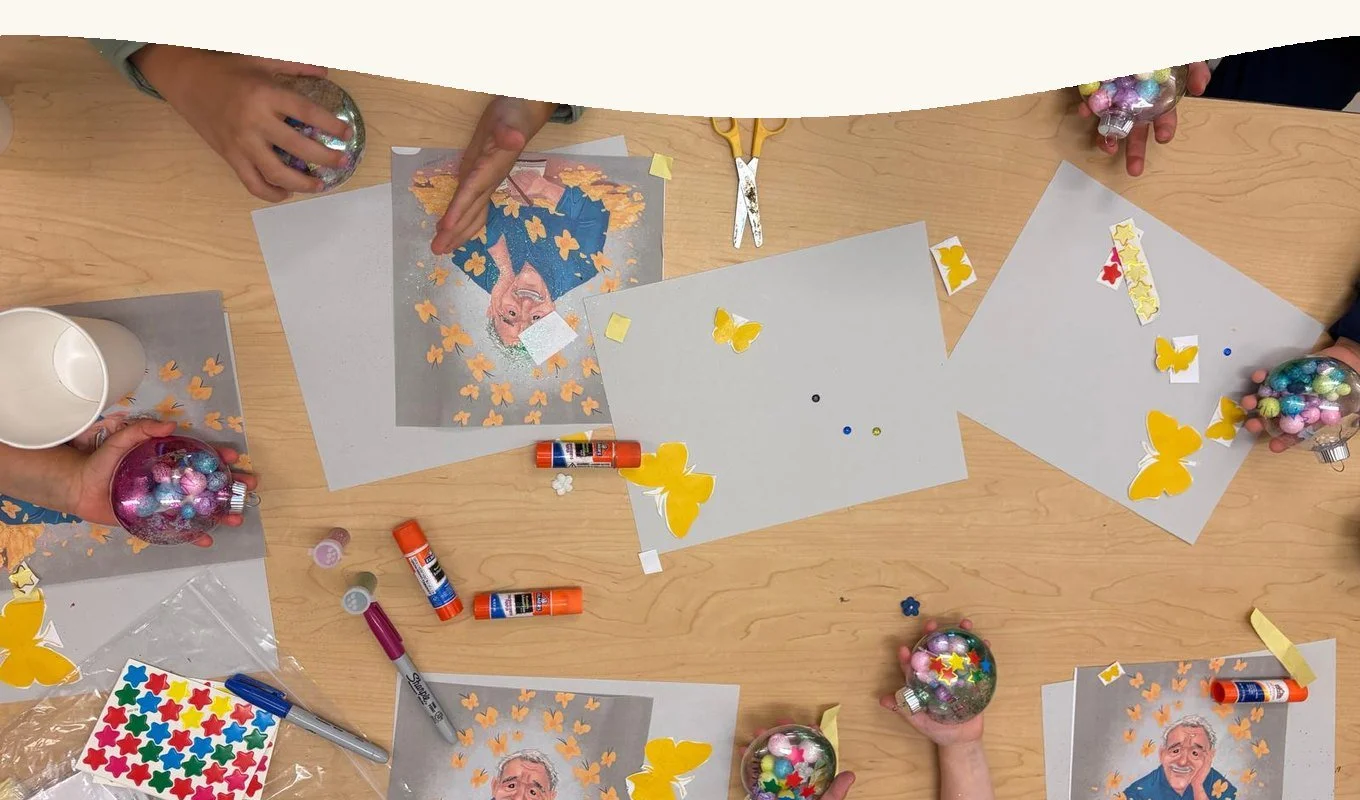
The yellow light and the butterflies of Gabo's world inspired the projects that followed, connecting literature with art, science and creativity.
Following the monarchs to Michoacán
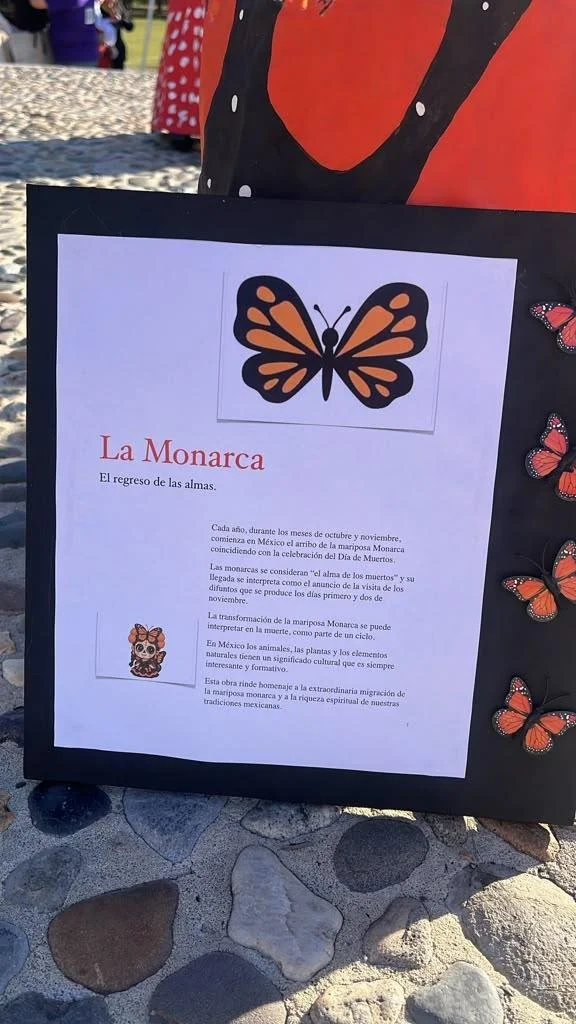
Why do millions of butterflies fly all the way to México every fall? In Ms. Rossana and Ms. Miriam's class, our students found out.
They studied the life cycle and the parts of the monarch butterfly, then followed its long migration to Michoacán, México. The monarchs arrive during the harvest season, just in time for Día de los Muertos, and in many communities they are welcomed as a symbol of the souls returning home. Students also talked about why it matters to protect these creatures and the land that receives them.
Their trip to México kept going, with the Aztec calendar, the pyramids and the music of the mariachis.
Science, in Spanish
The yellow light of Gabo's stories turned into hands-on experiments:
A jar of yellow light: students watched colored water glow and described what they saw in Spanish.
¿Flota o se hunde? They predicted, tested and explained which objects float and which sink, using new vocabulary at every step.
¿De qué color es tu mariposa? Each student designed and colored a butterfly, naming the colors in Spanish.
This is how we teach: a story opens the door, and science, art and conversation give students real reasons to use the language.
Calaveras, color by color
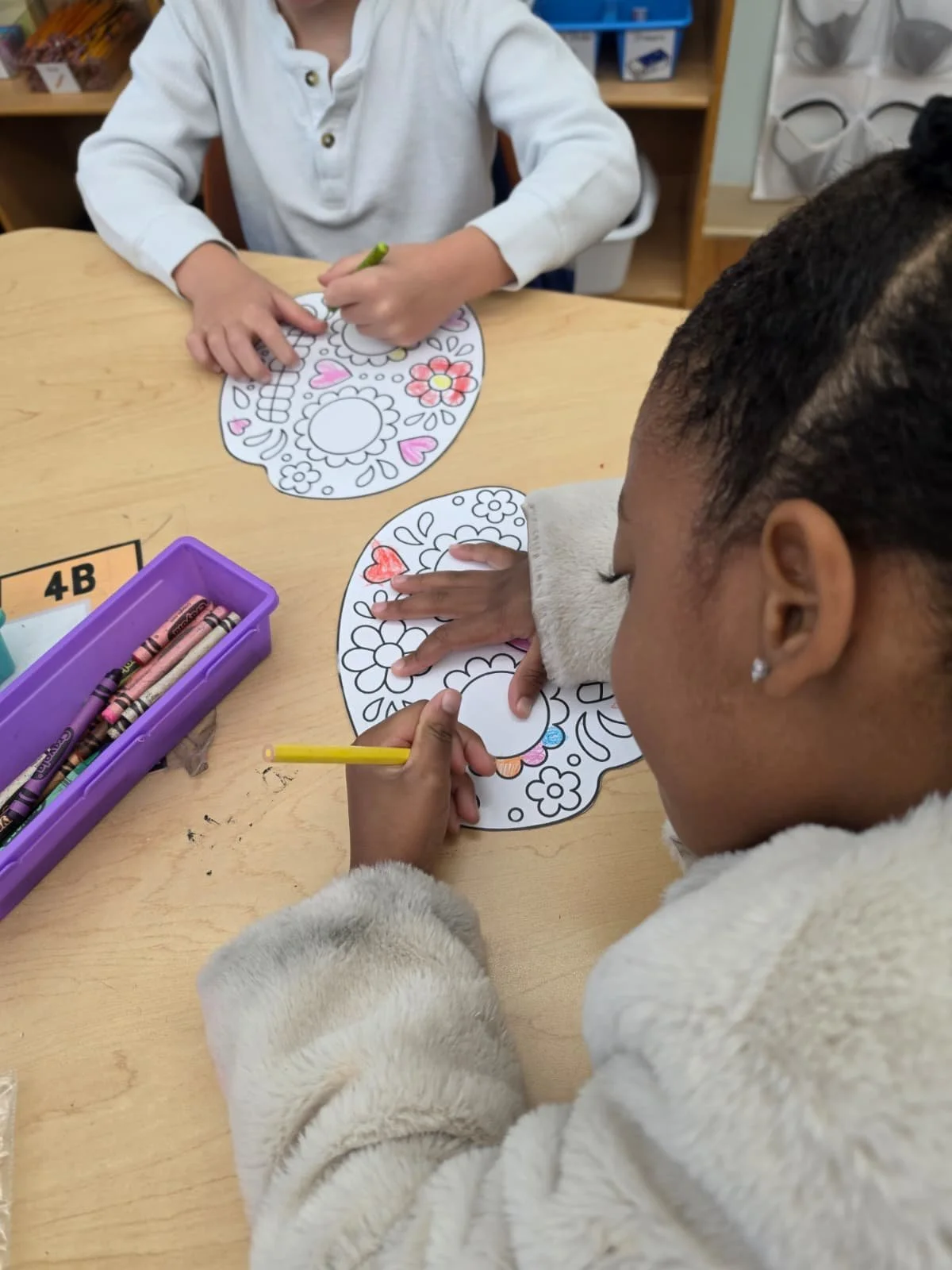
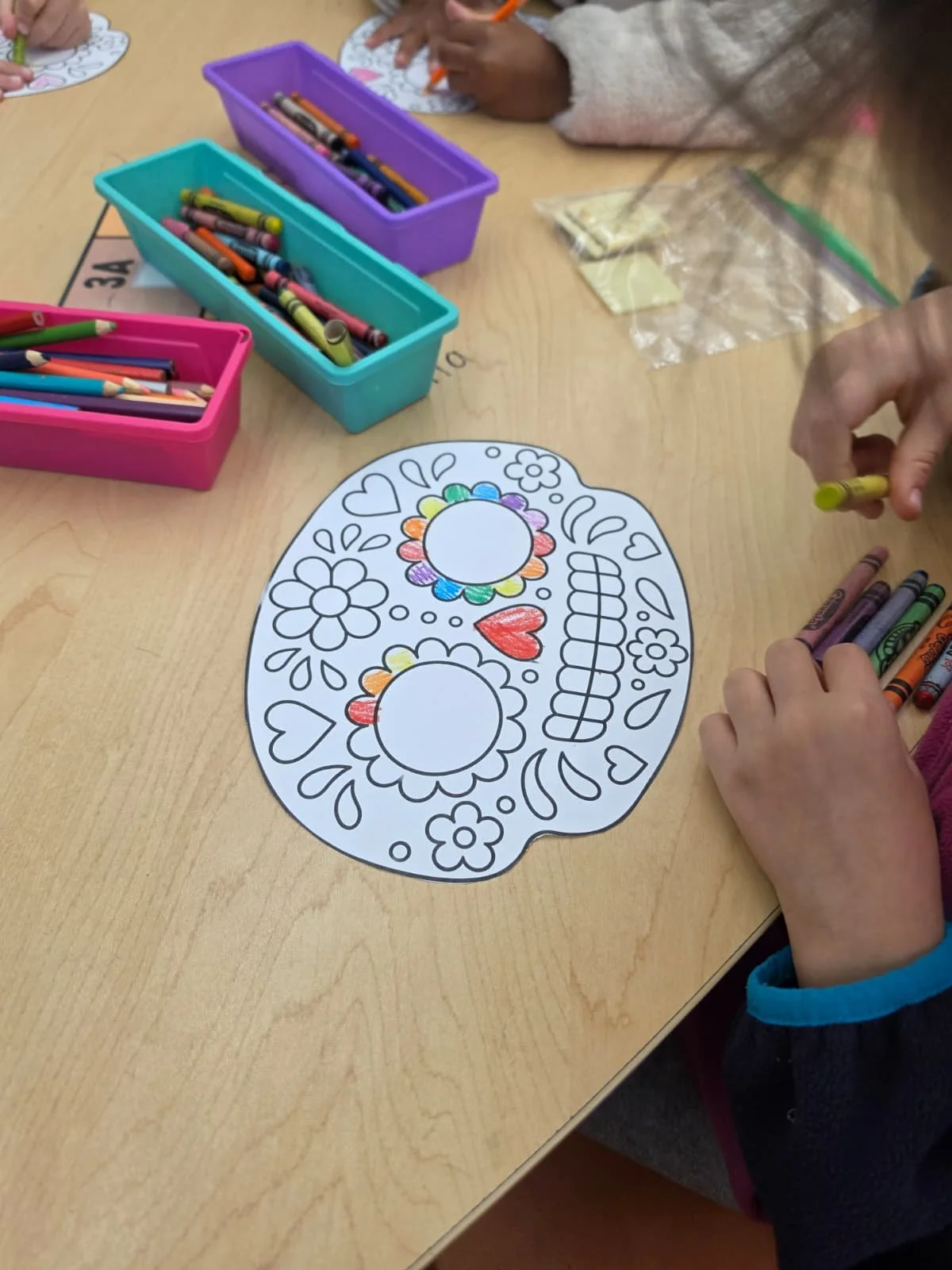
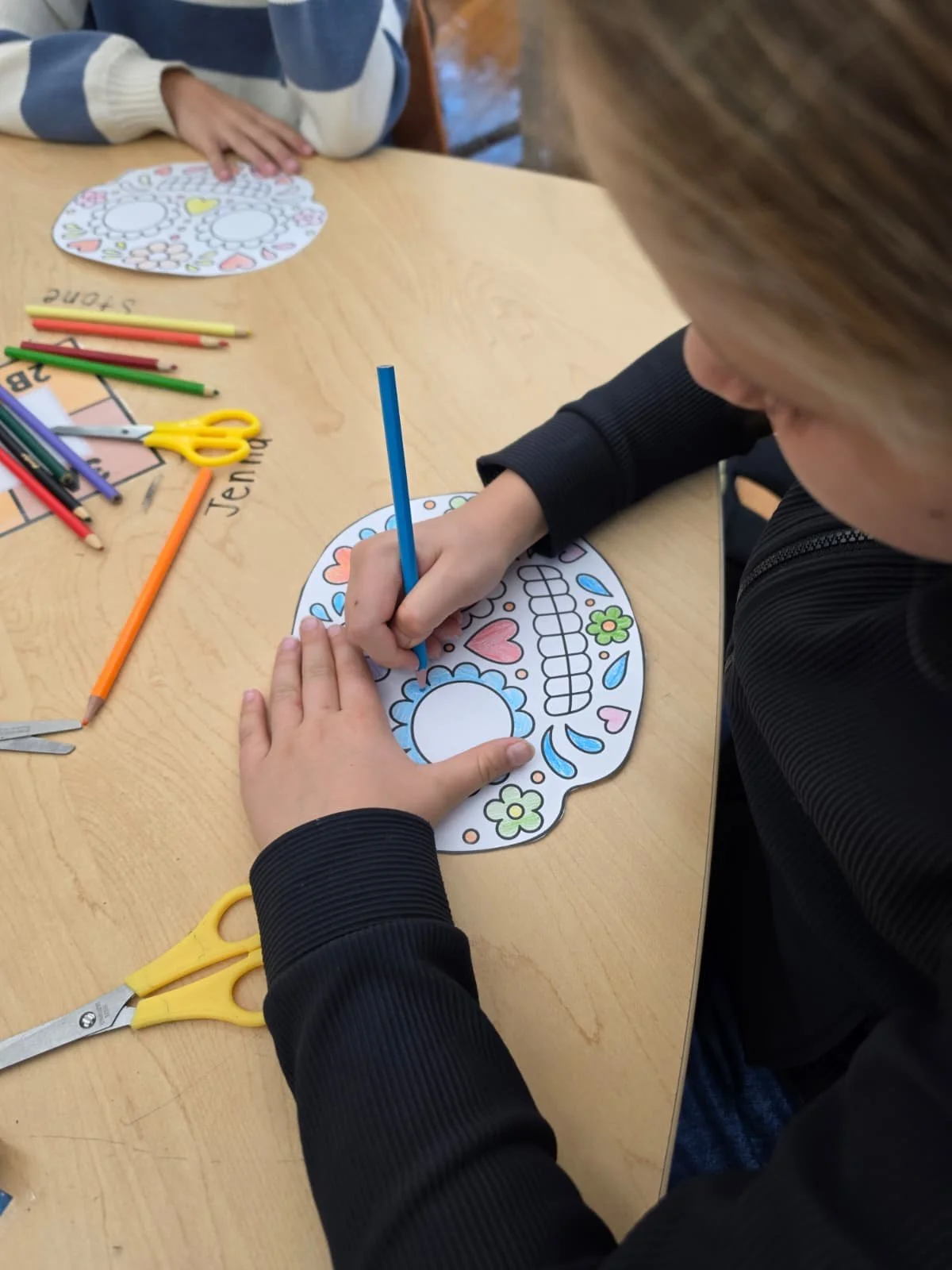
In the week of Día de los Muertos, students designed and colored their own calavera masks, cut them out and wore them proudly. Along the way they learned something that surprises many children: a skull is not something to fear. In this tradition, it is a joyful way to remember the people we love.
They also practiced the vocabulary of the season with a word search full of words like mariposa, monarca, cosecha, memoria, familia and semilla.
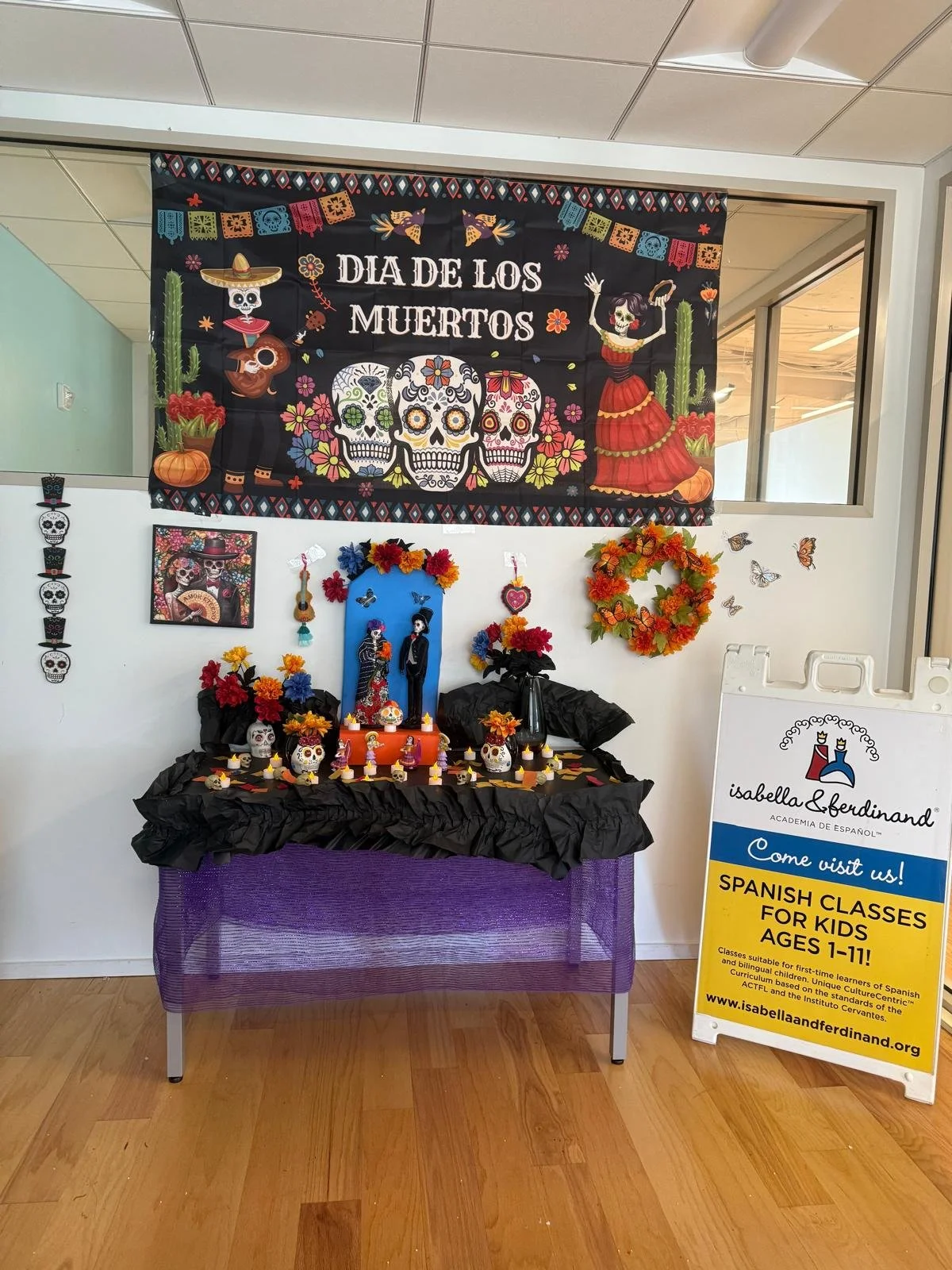
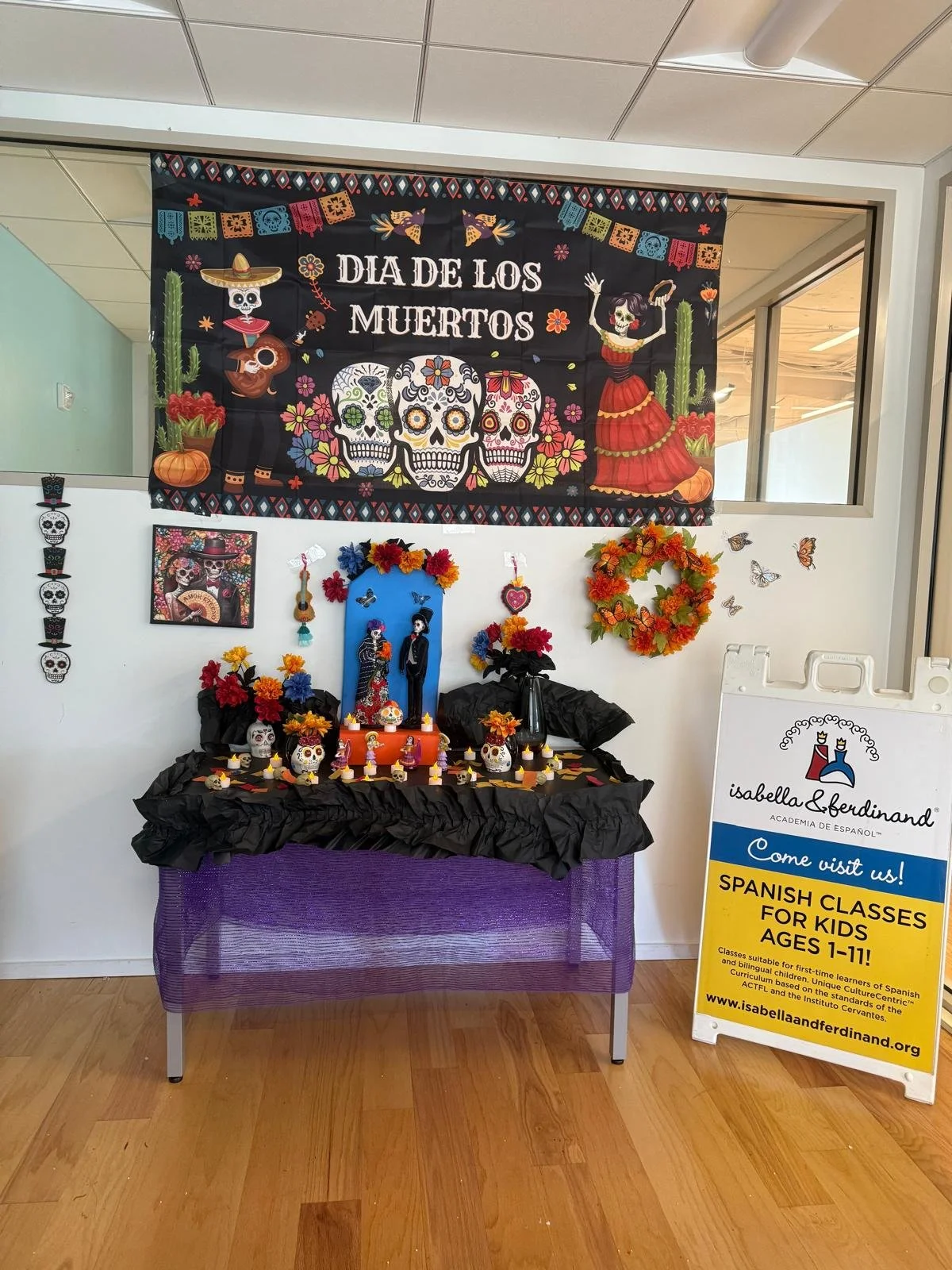
At the academy, our altar brought it all together, honoring those we love with flowers, color and memory.
Meanwhile, in the city
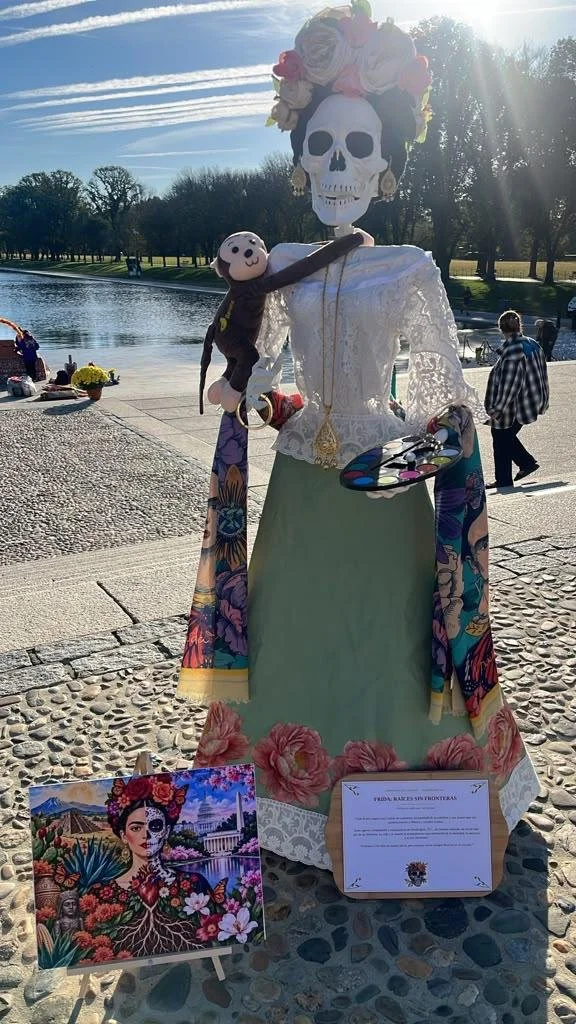
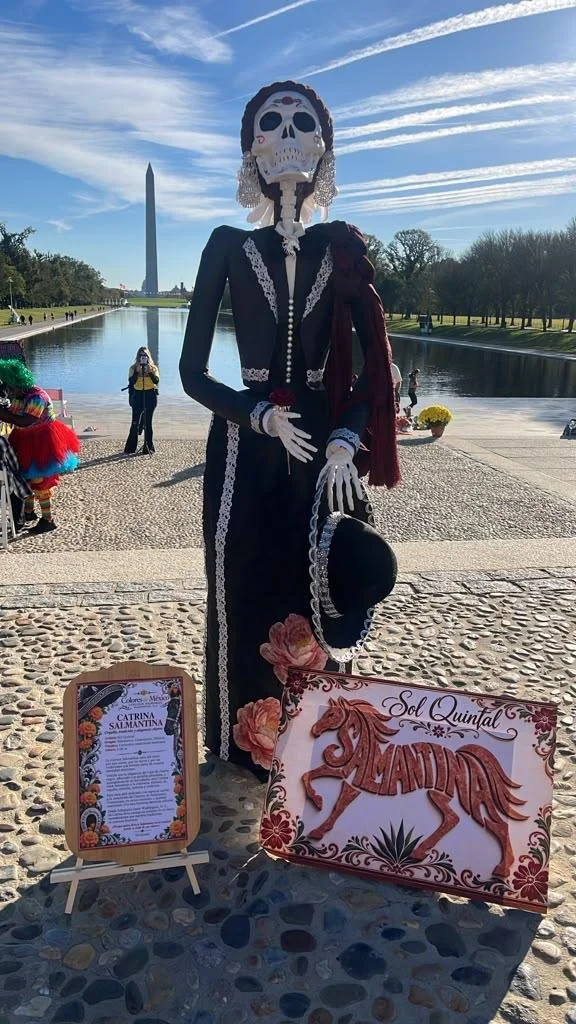
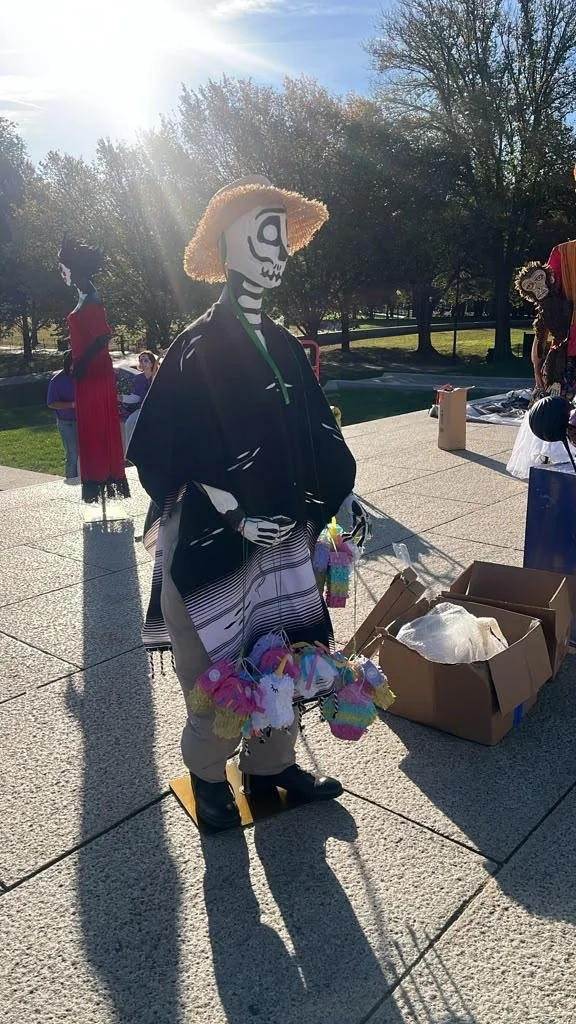
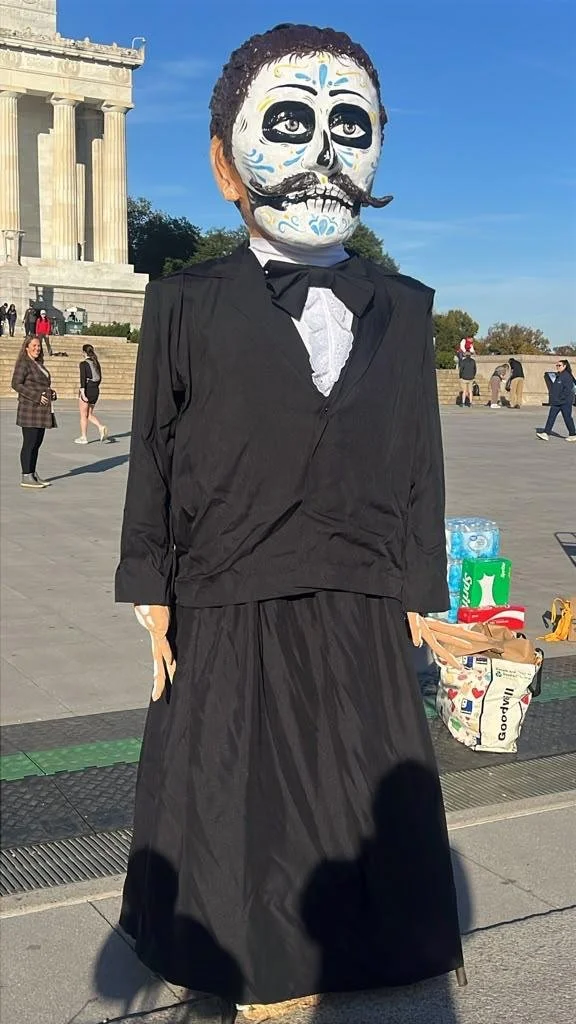
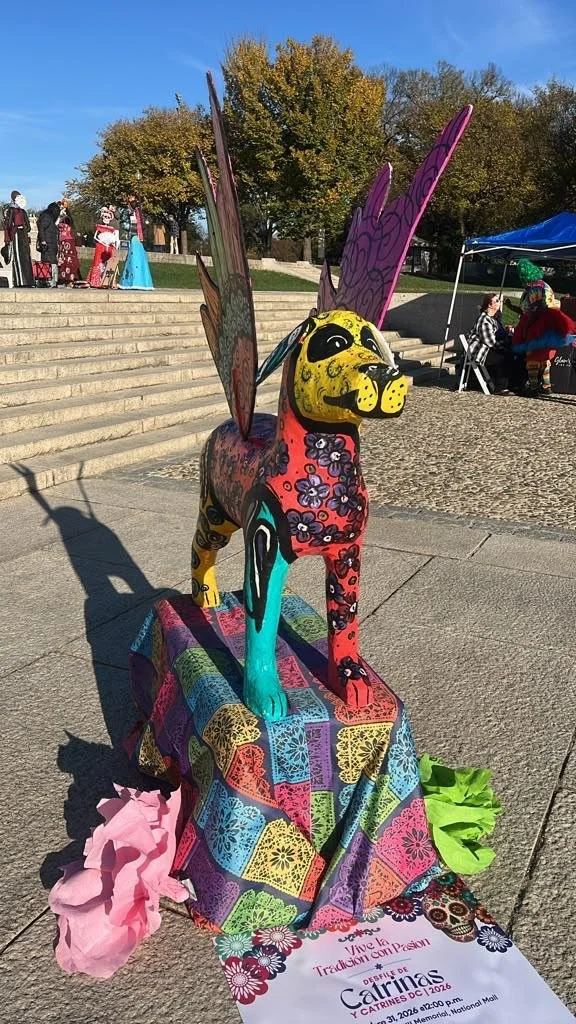
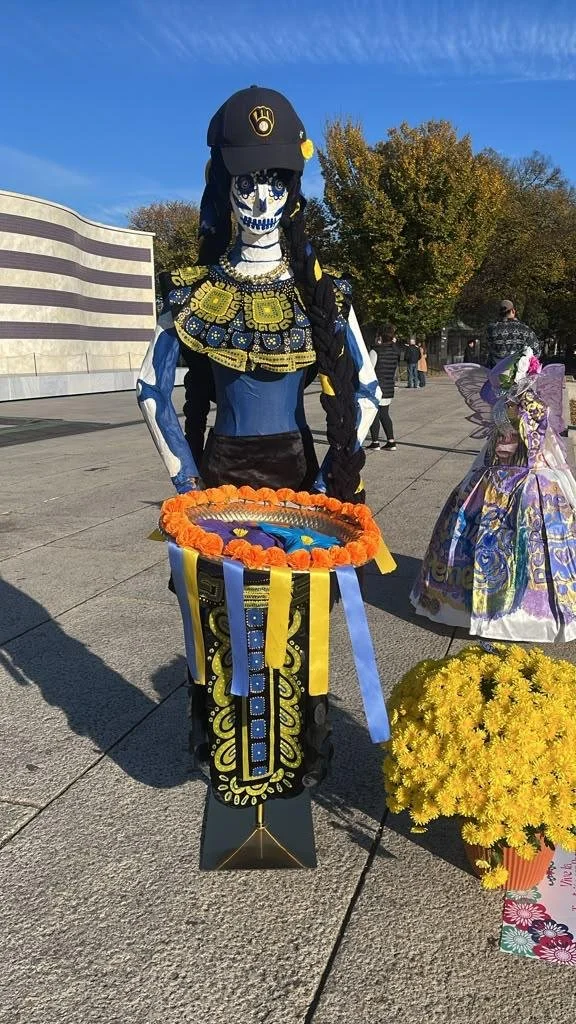
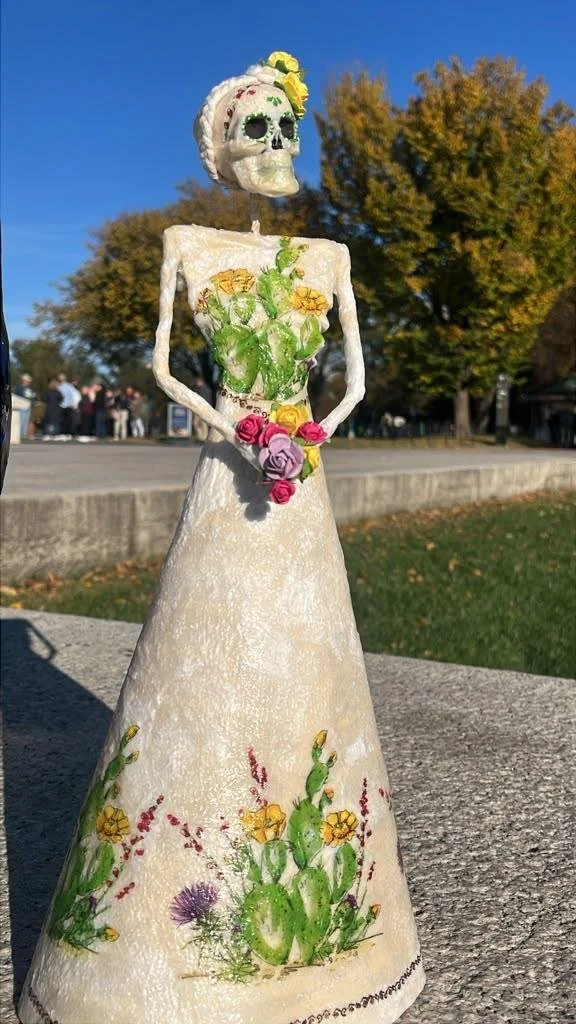
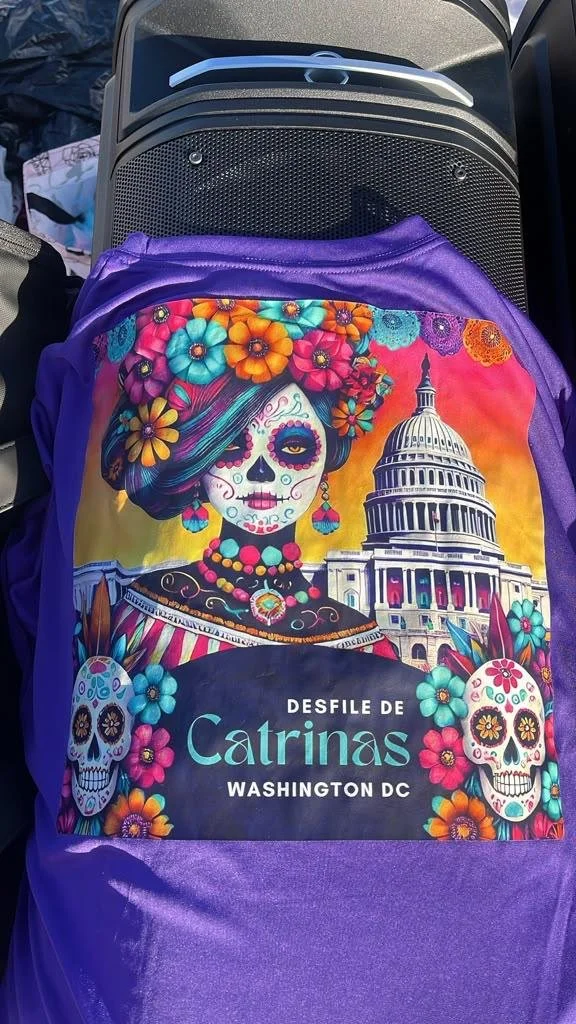
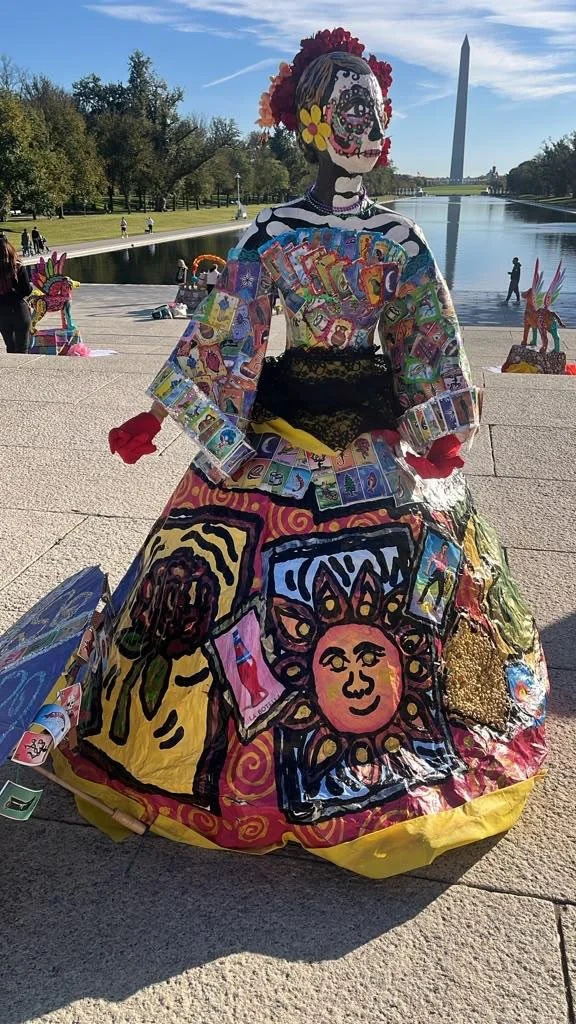
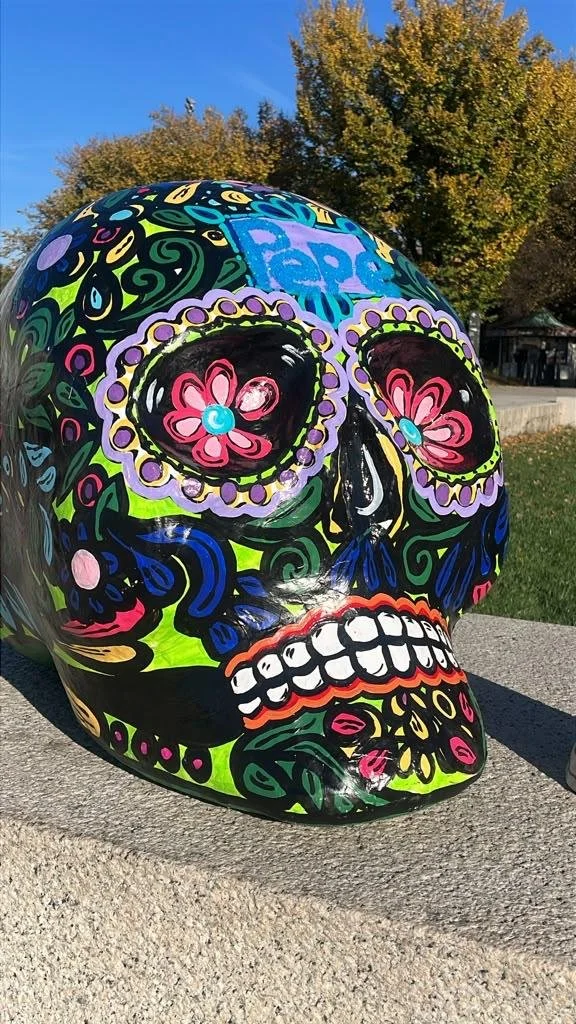
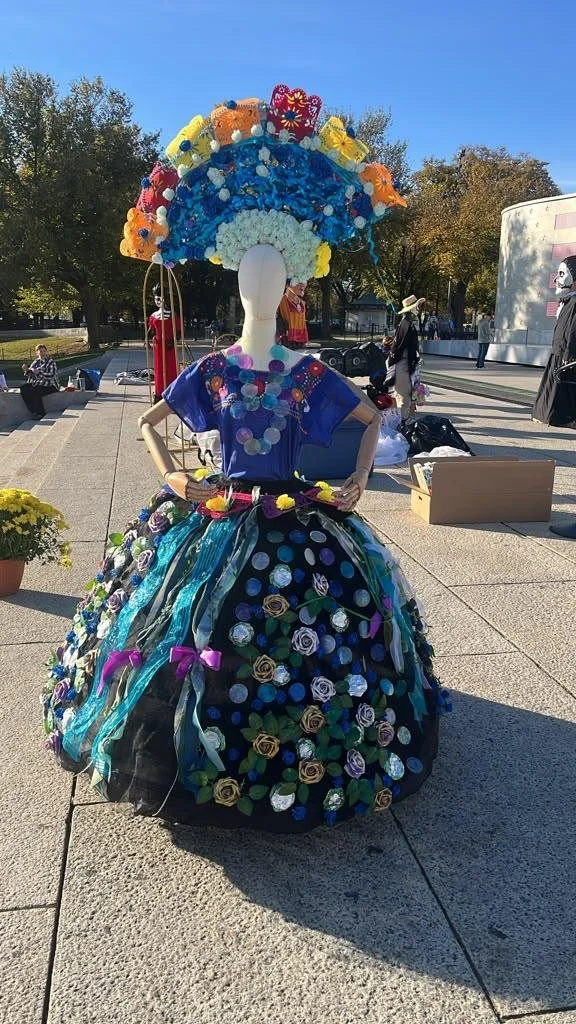
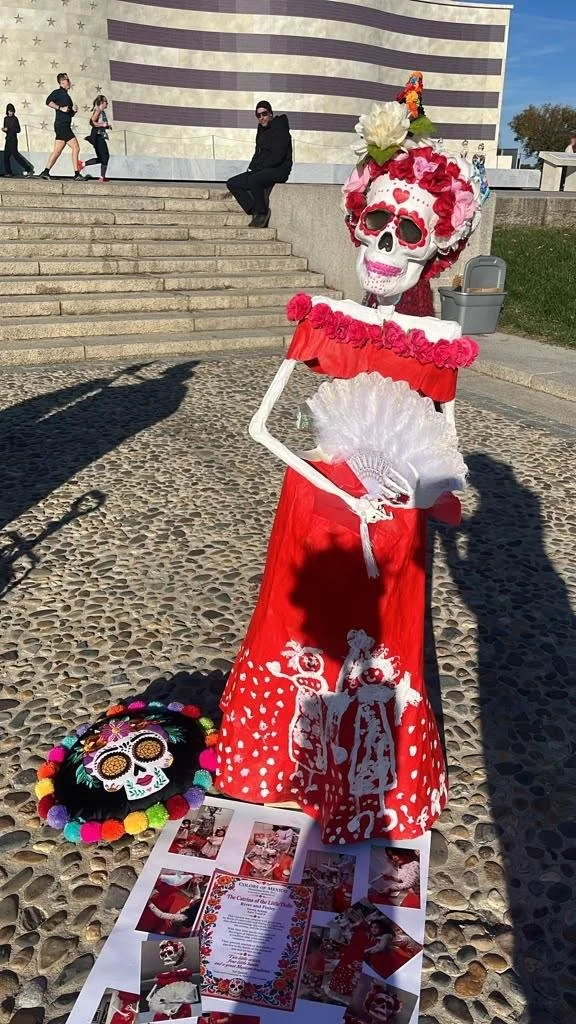
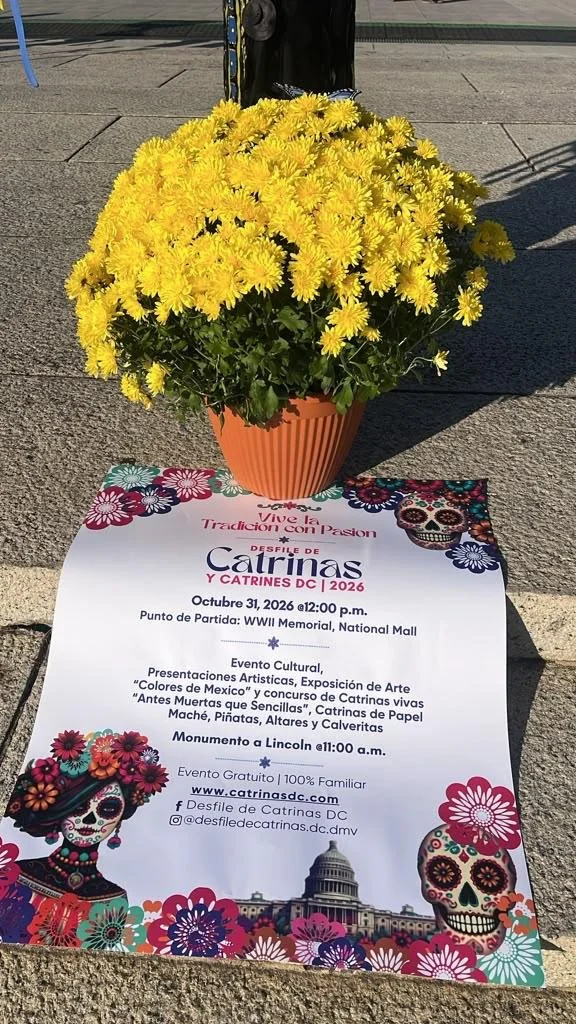
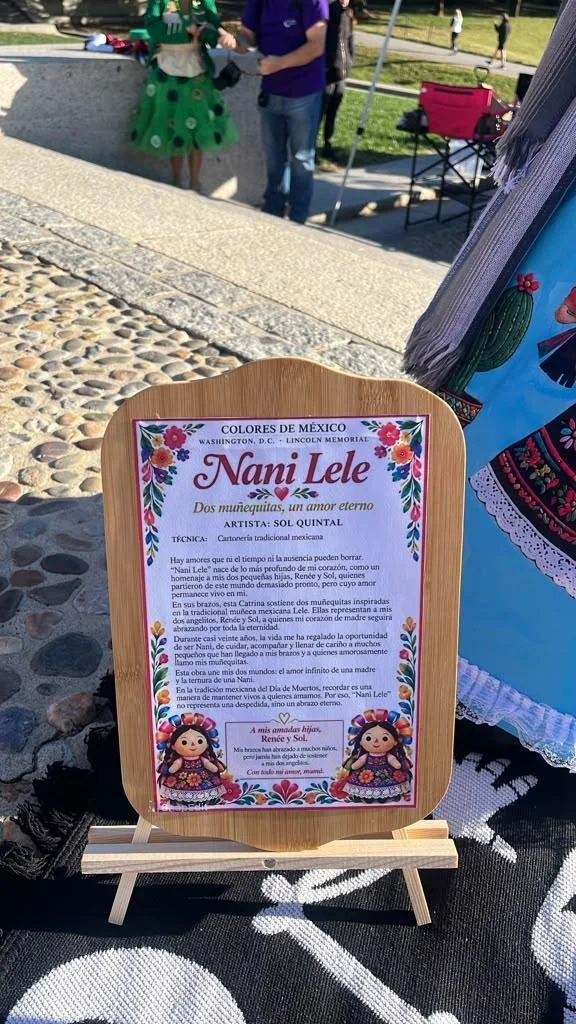
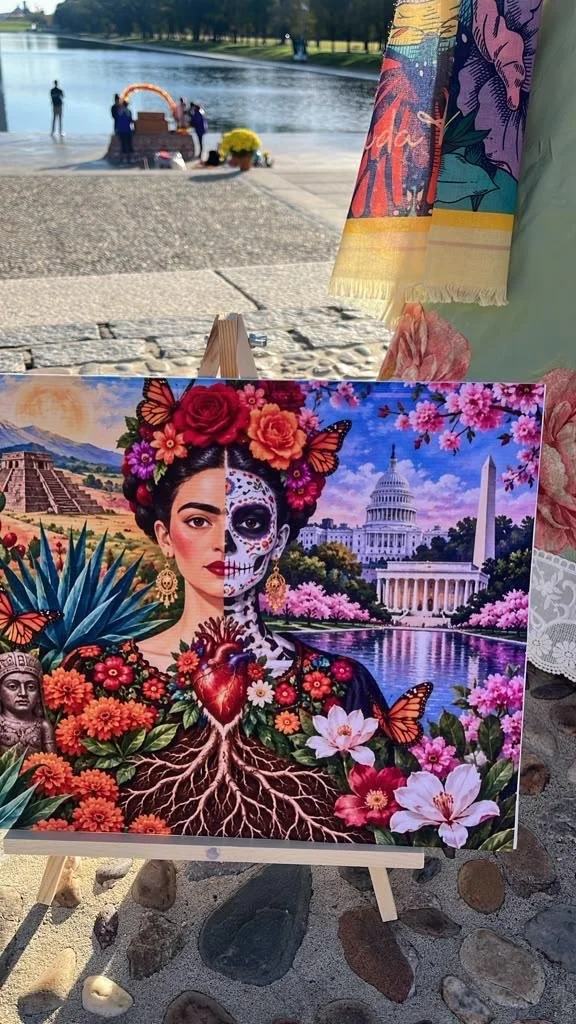
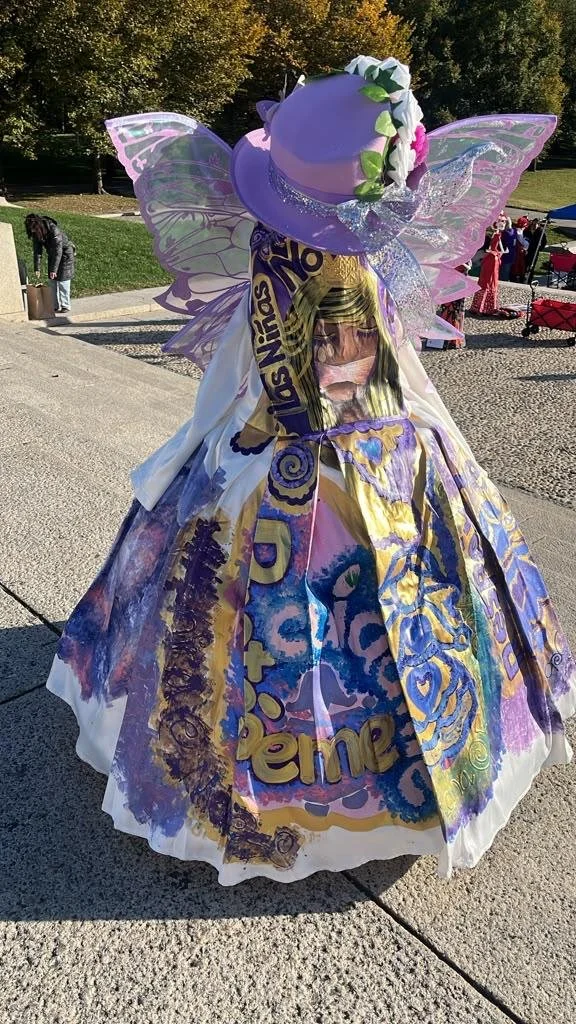
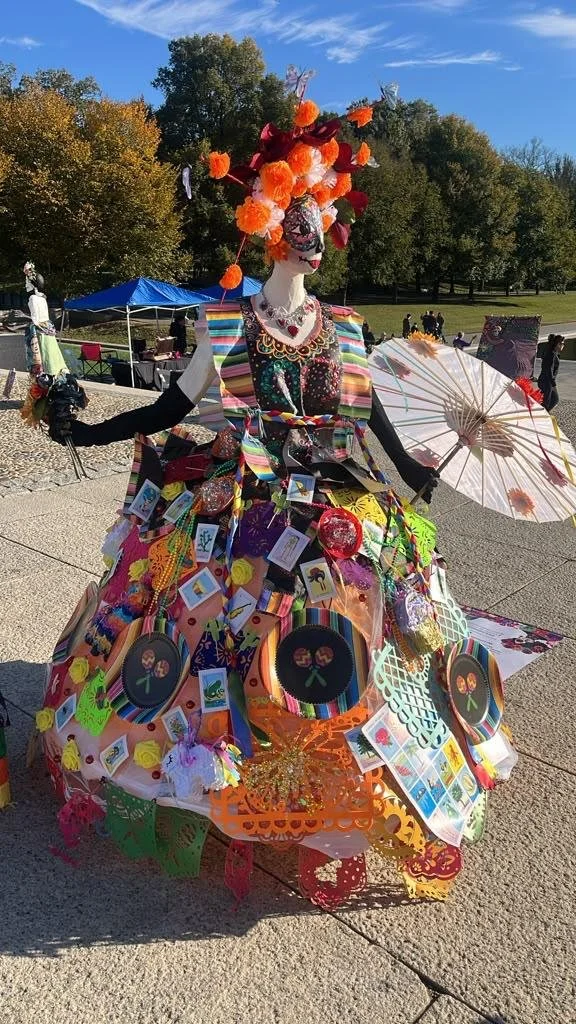
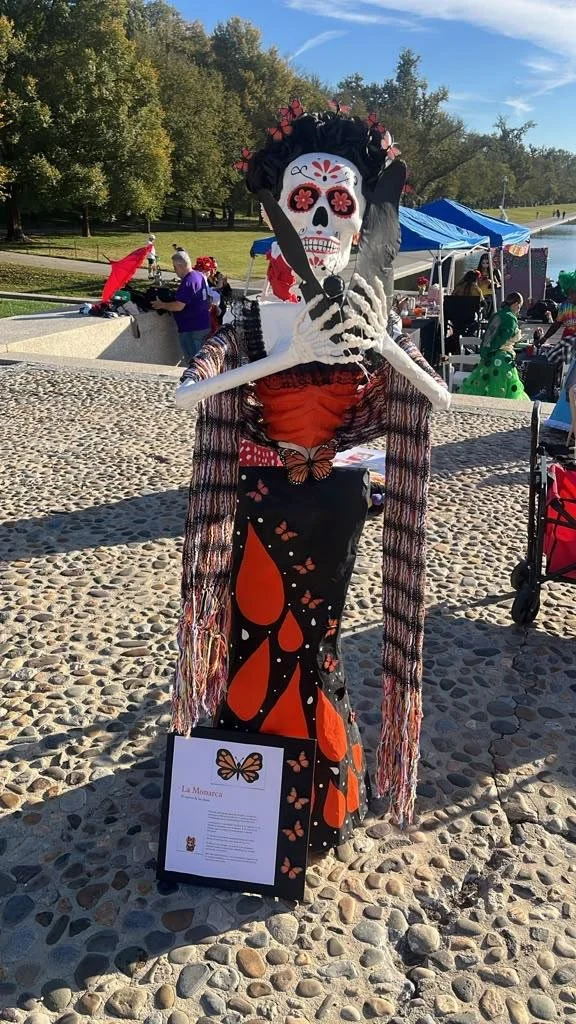
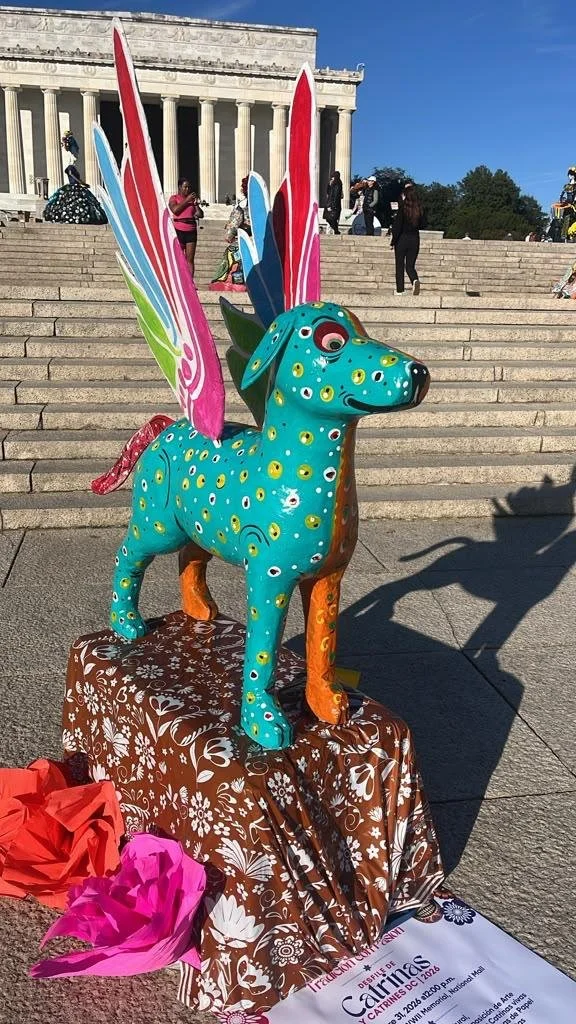
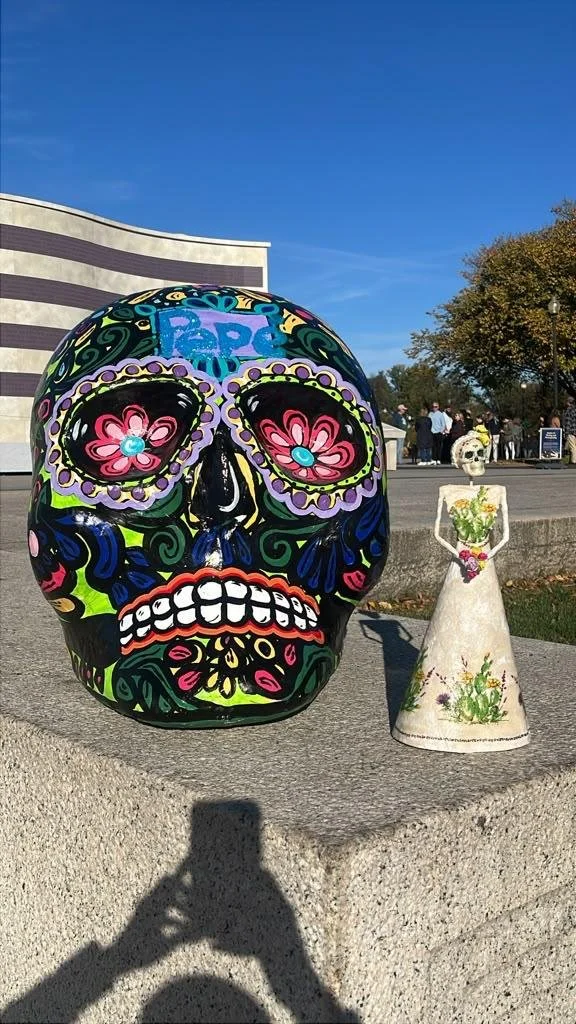
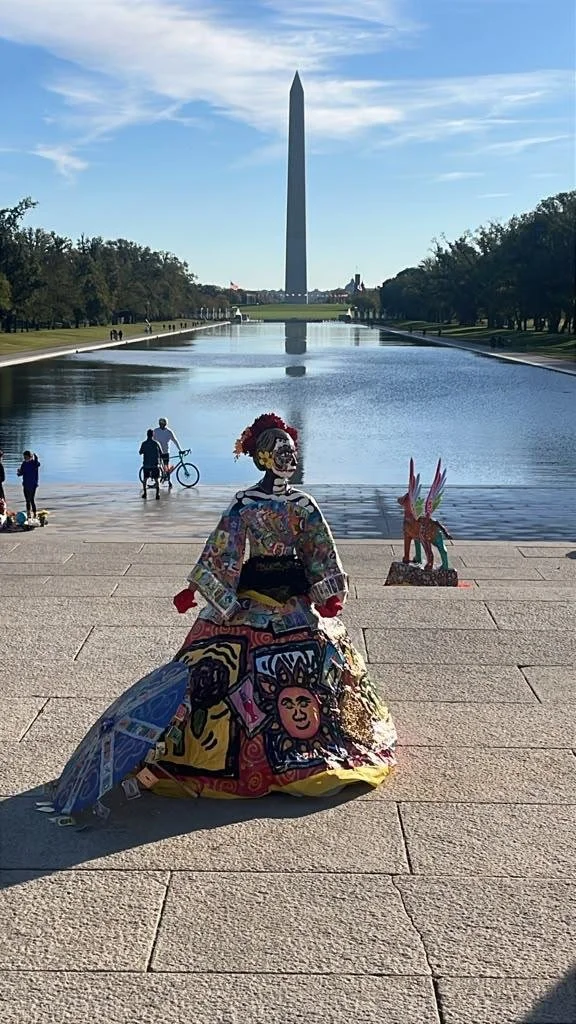
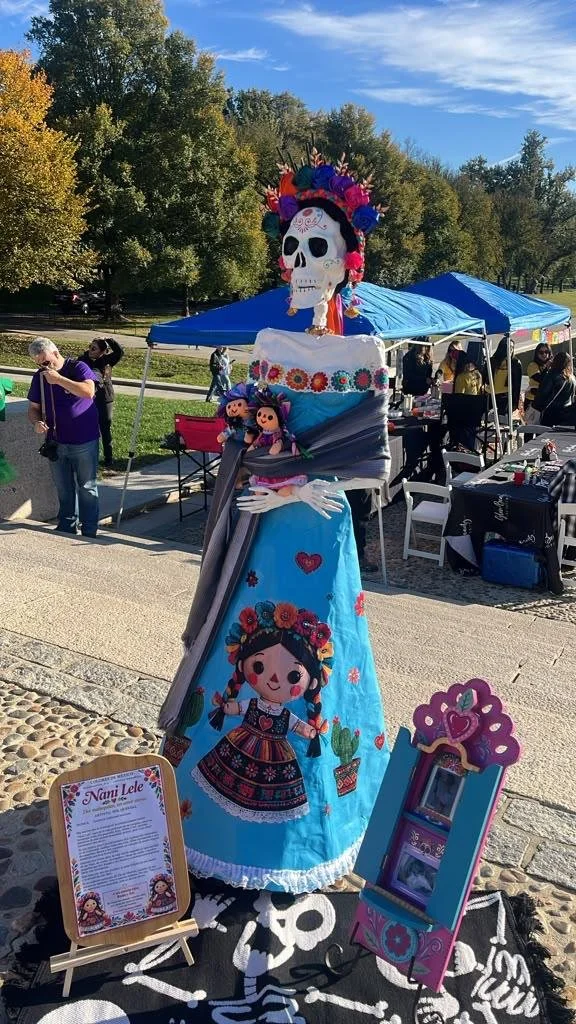
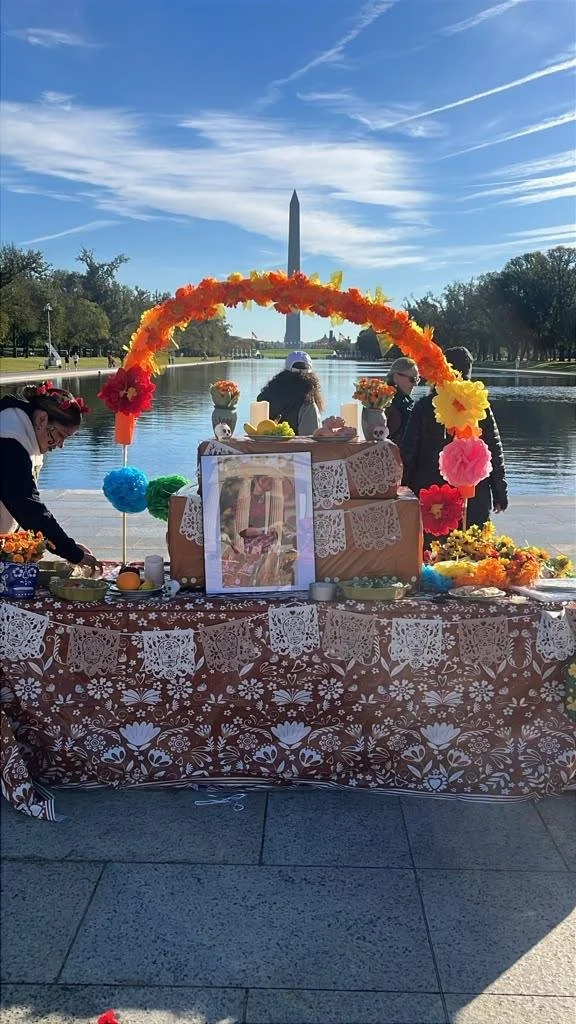
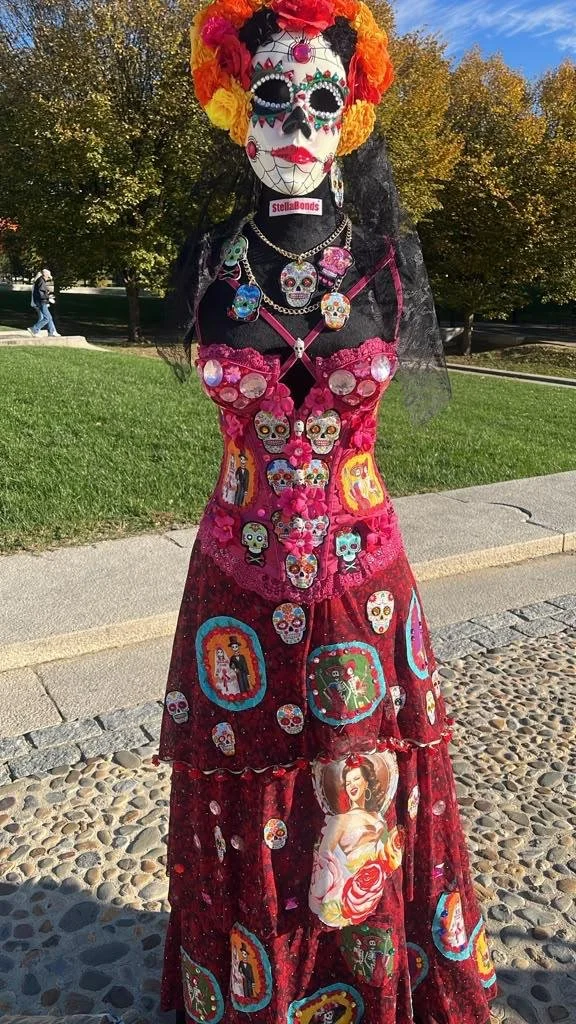
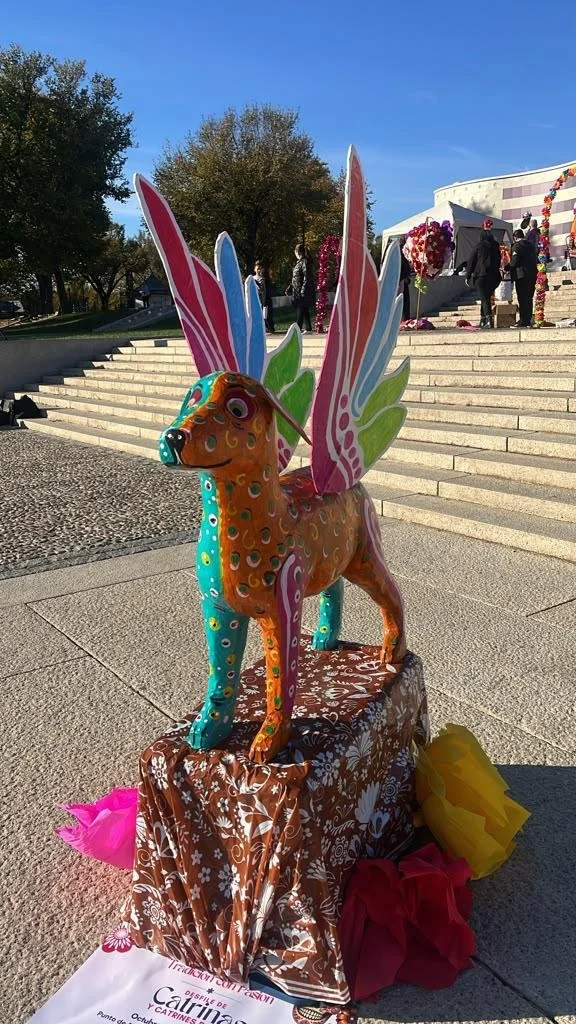
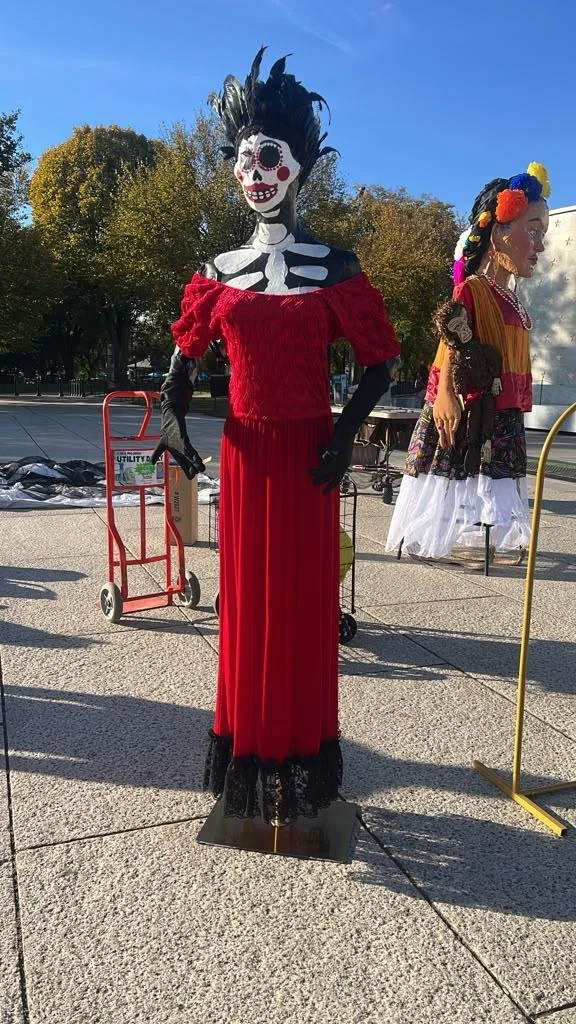
On October 31, the Desfile de Catrinas y Catrines DC 2026 filled the National Mall, near the Lincoln Memorial, with Catrinas, a Catrín, alebrijes and a giant calavera. We shared highlights of this beautiful celebration of art and memory on our Instagram. Bravo to every artist who brought the tradition to the heart of Washington, D.C.
In the city and in our classrooms, Día de los Muertos lives on.
Why it matters for heritage families
For our heritage students, this celebration means even more. Spanish connects generations. It keeps family stories alive and strengthens the bond between children, their grandparents and their cultural roots.
The golden cempasúchil, the yellow butterflies and the memories of our grandparents remind us that life, nature and our ancestors are deeply connected. At Isabella & Ferdinand, we don't only teach Spanish. We celebrate the stories, memories and traditions that keep our heritage alive.
These weeks also filled our students' Spanish with new words: mariposa and monarca, cempasúchil and calavera, abuelos and antepasados. In this season, words like these are never just vocabulary. Each one carries a story, and children remember them because they lived them.
Try it at home: share a family story
The tradition doesn't have to end on November 2. Tonight, tell your child one memory about their grandparents or another family member: where they lived, a dish they cooked, a song they sang. If you can, tell it in Spanish, and ask your child to draw it or tell it back to you.
It is a small moment, but it does exactly what Día de los Muertos teaches: it keeps the people we love present, and it gives children a real reason to speak the language of their family.
Remembering is a way to celebrate life
This is what we mean by Living Culture. Real Learning. A story, a butterfly and a calavera became two weeks of reading, science, art, vocabulary and conversation, with Spanish at the center of it all.
Want your child to learn Spanish this way? Winter 2027 starts the weekend of January 9 in our Saturday Spanish Program in Washington, DC, and our Sunday Program in Chevy Chase, MD. Enroll by November 20 to save 5% on Winter, or 8% on Winter + Spring.
Questions? Write to us on WhatsApp at 202-460-1382.
Isabella & Ferdinand® Academia de Español™ · Living Culture. Real Learning.