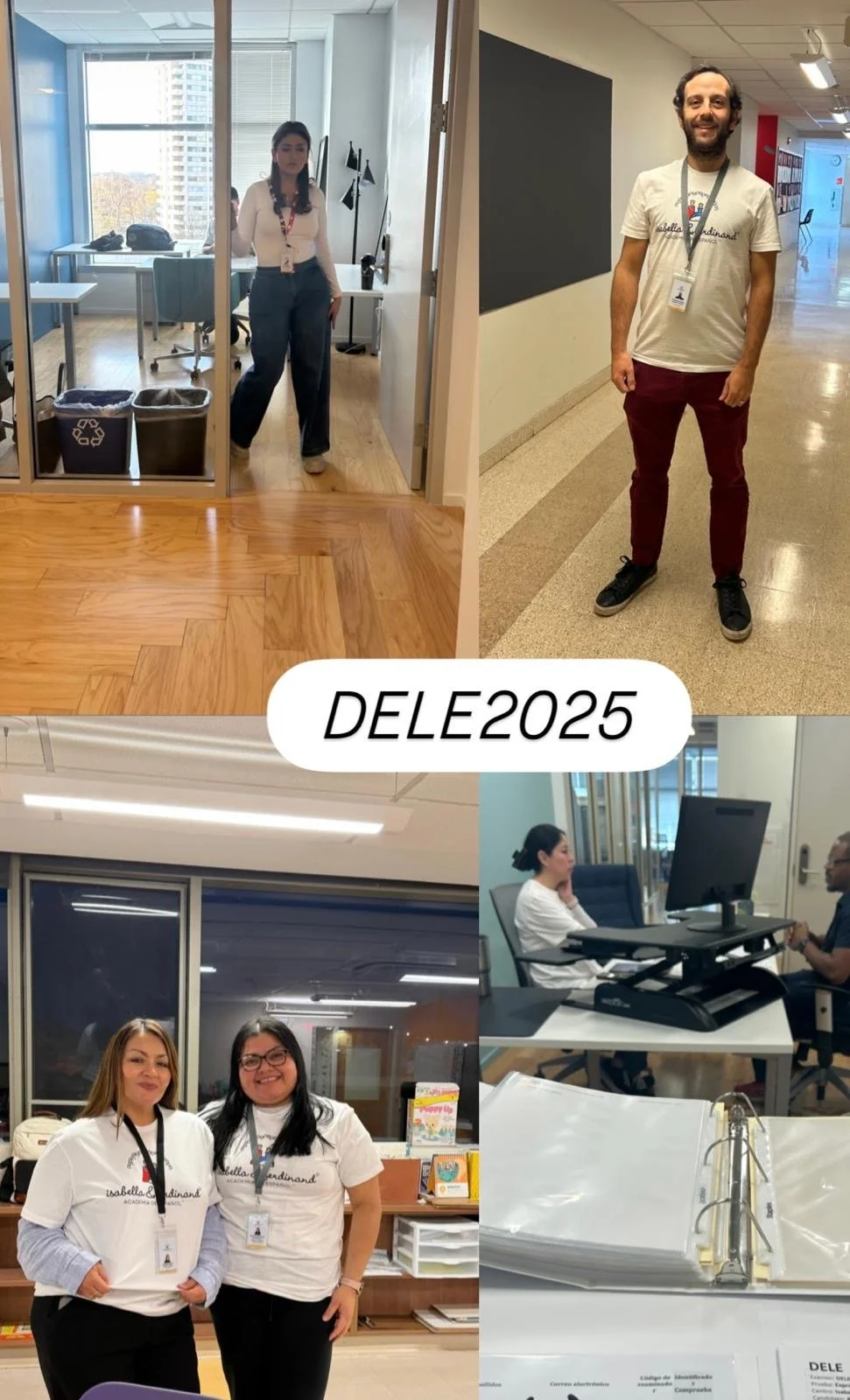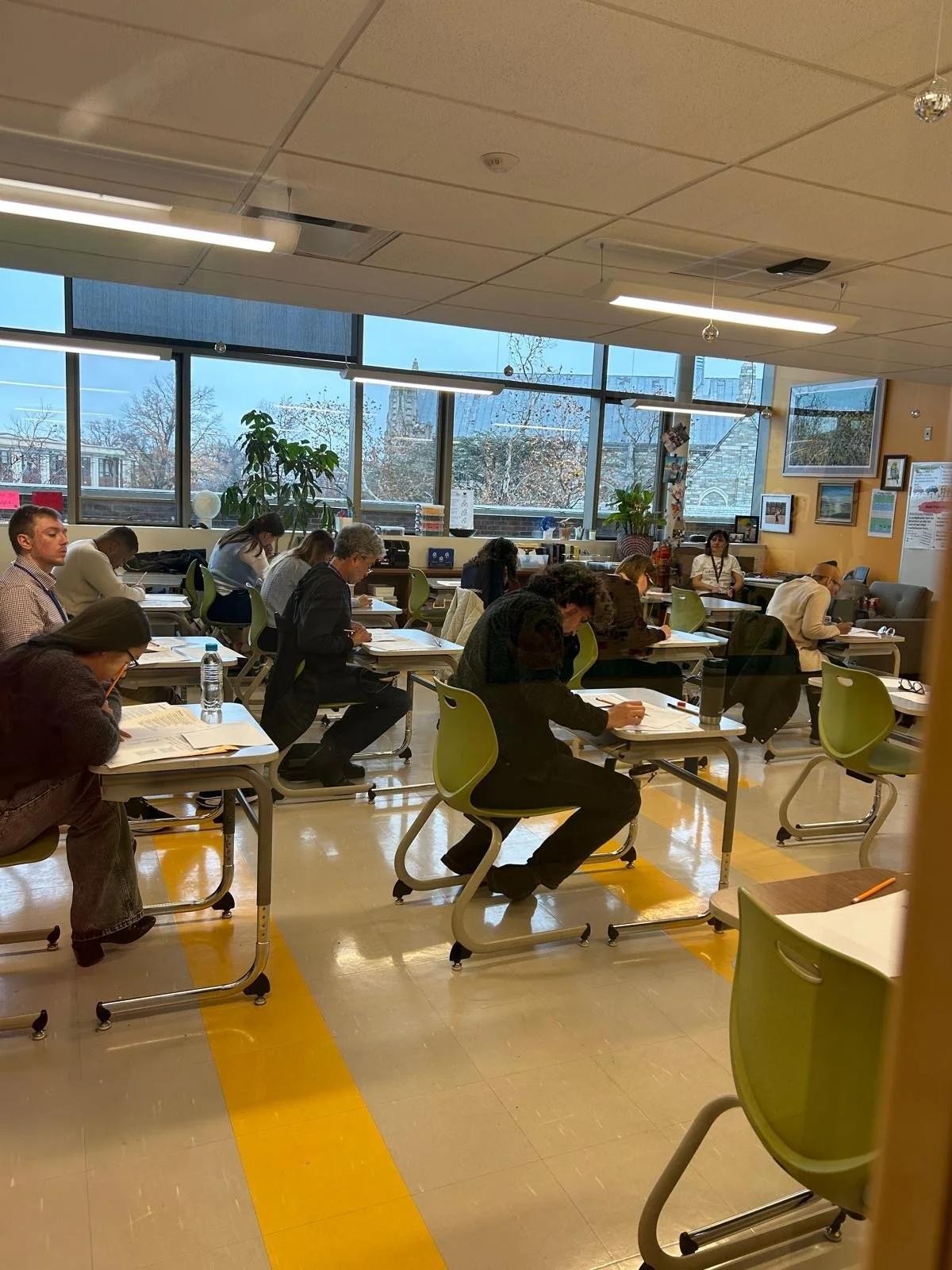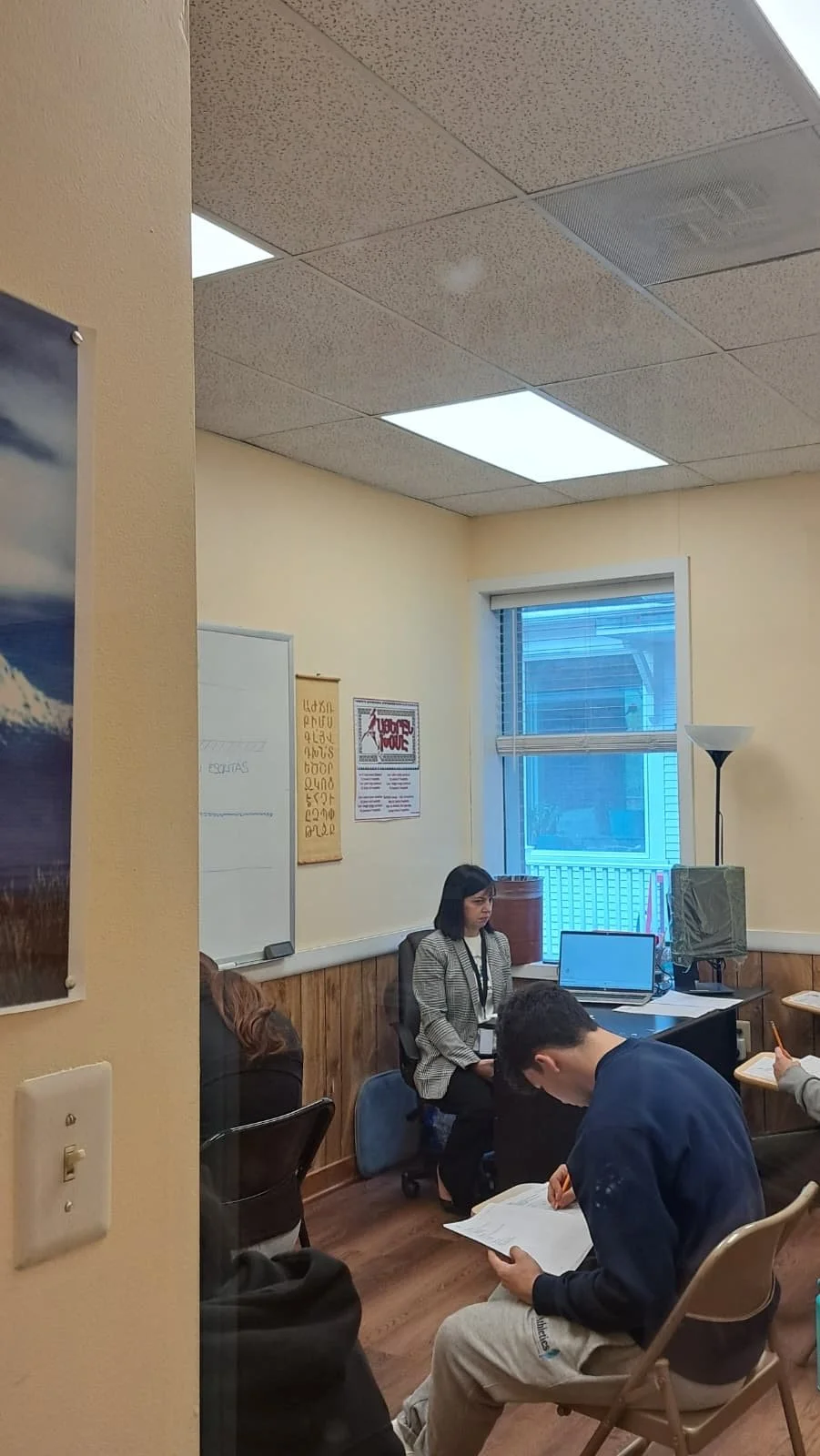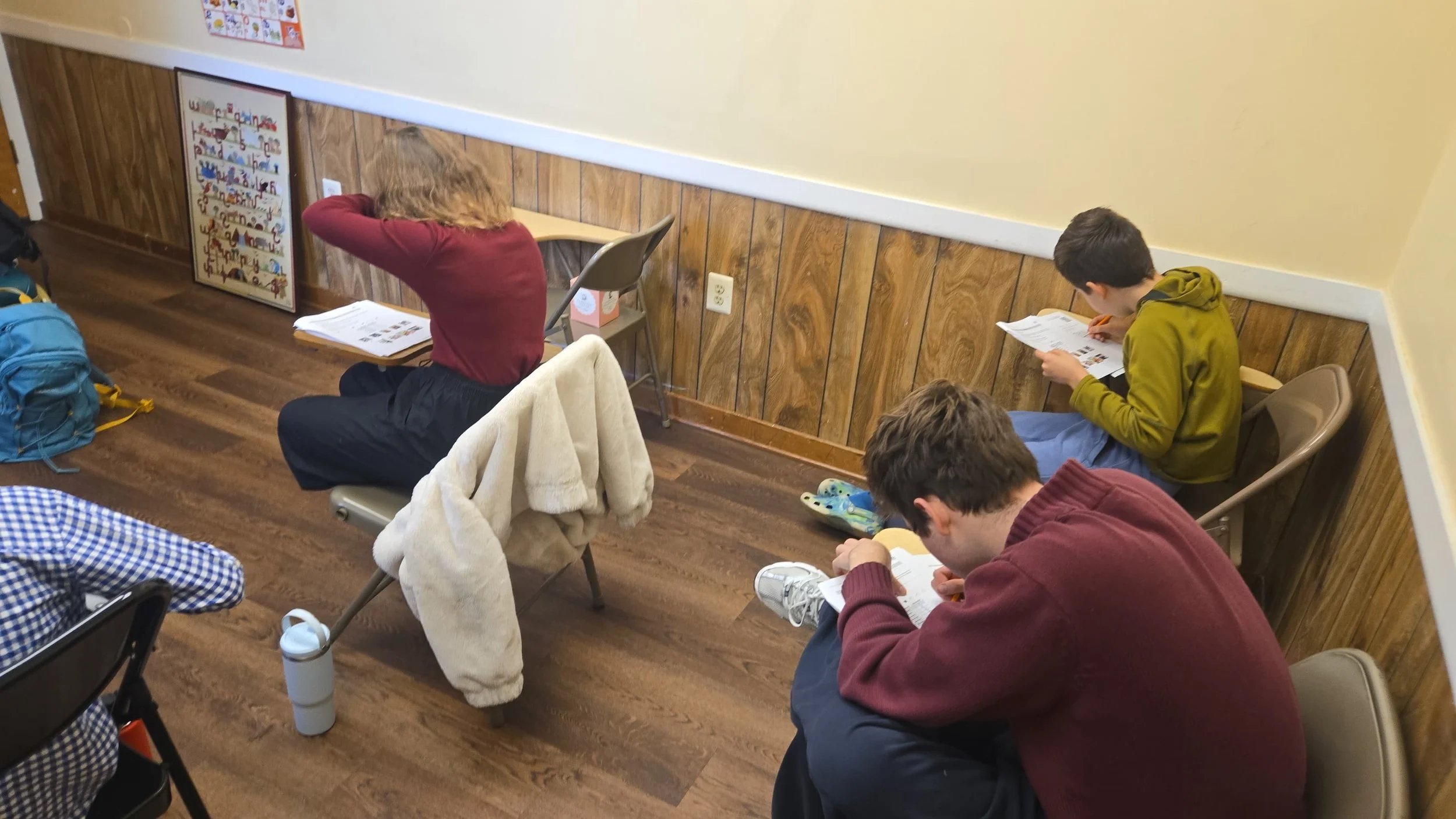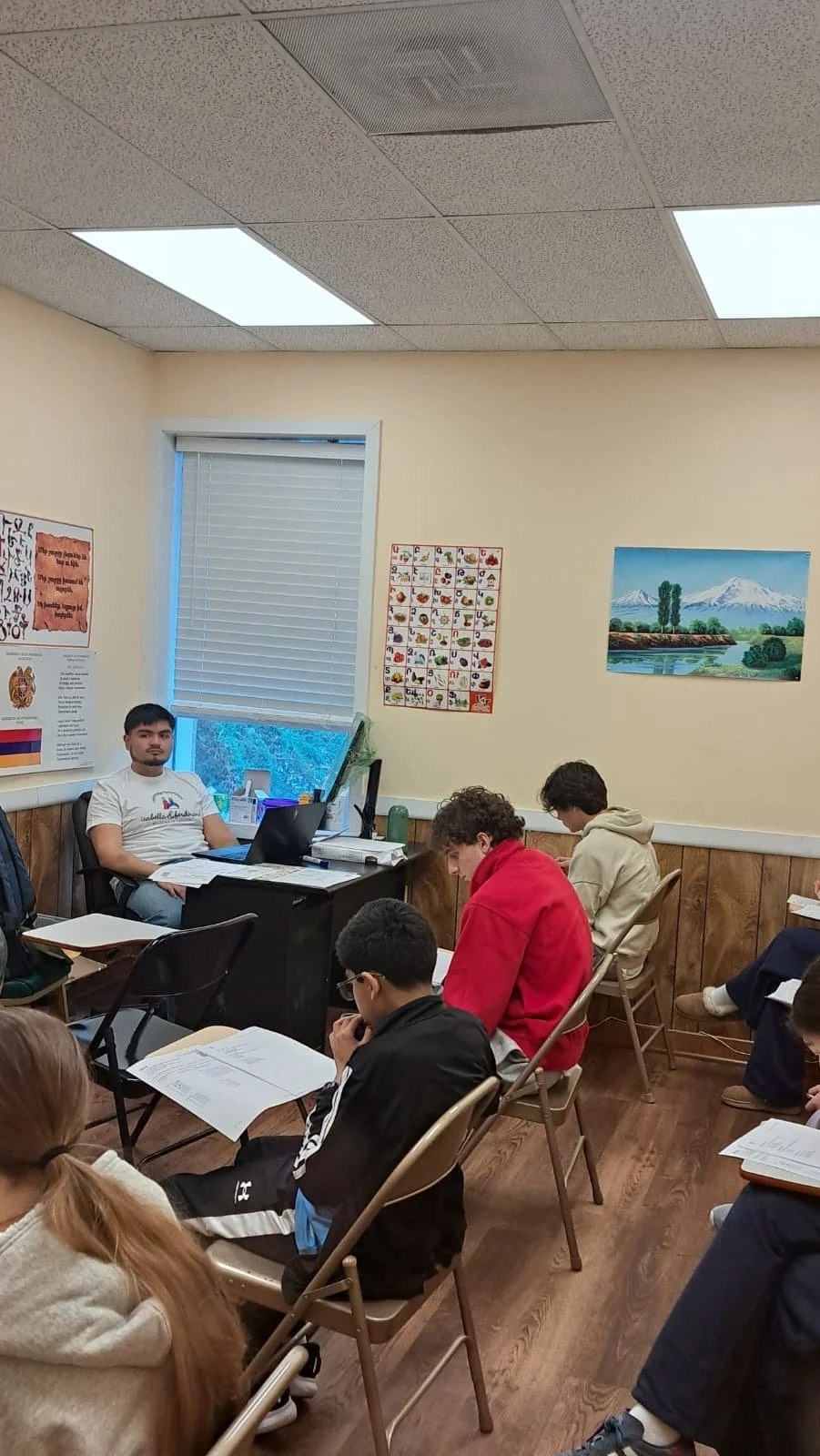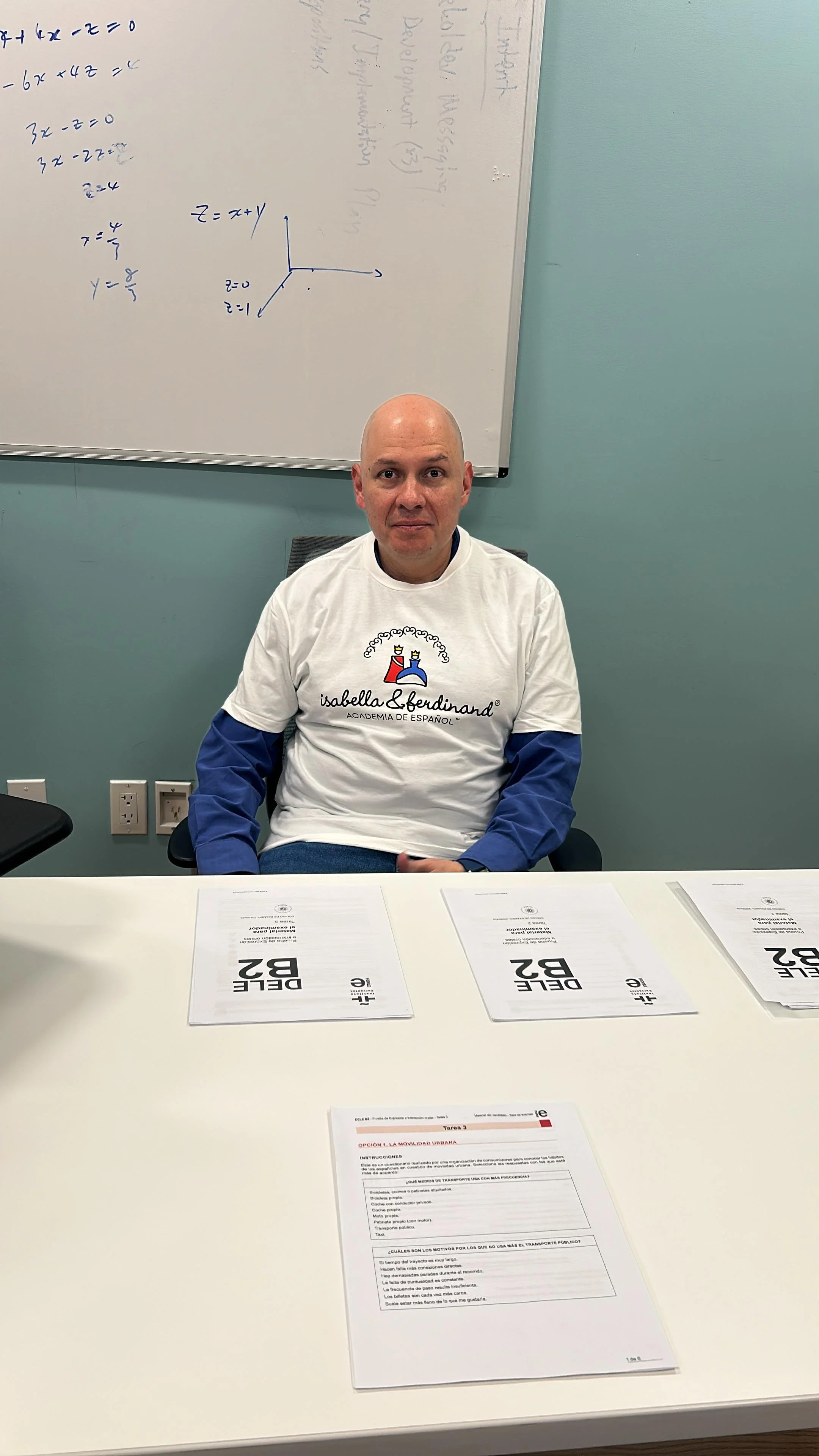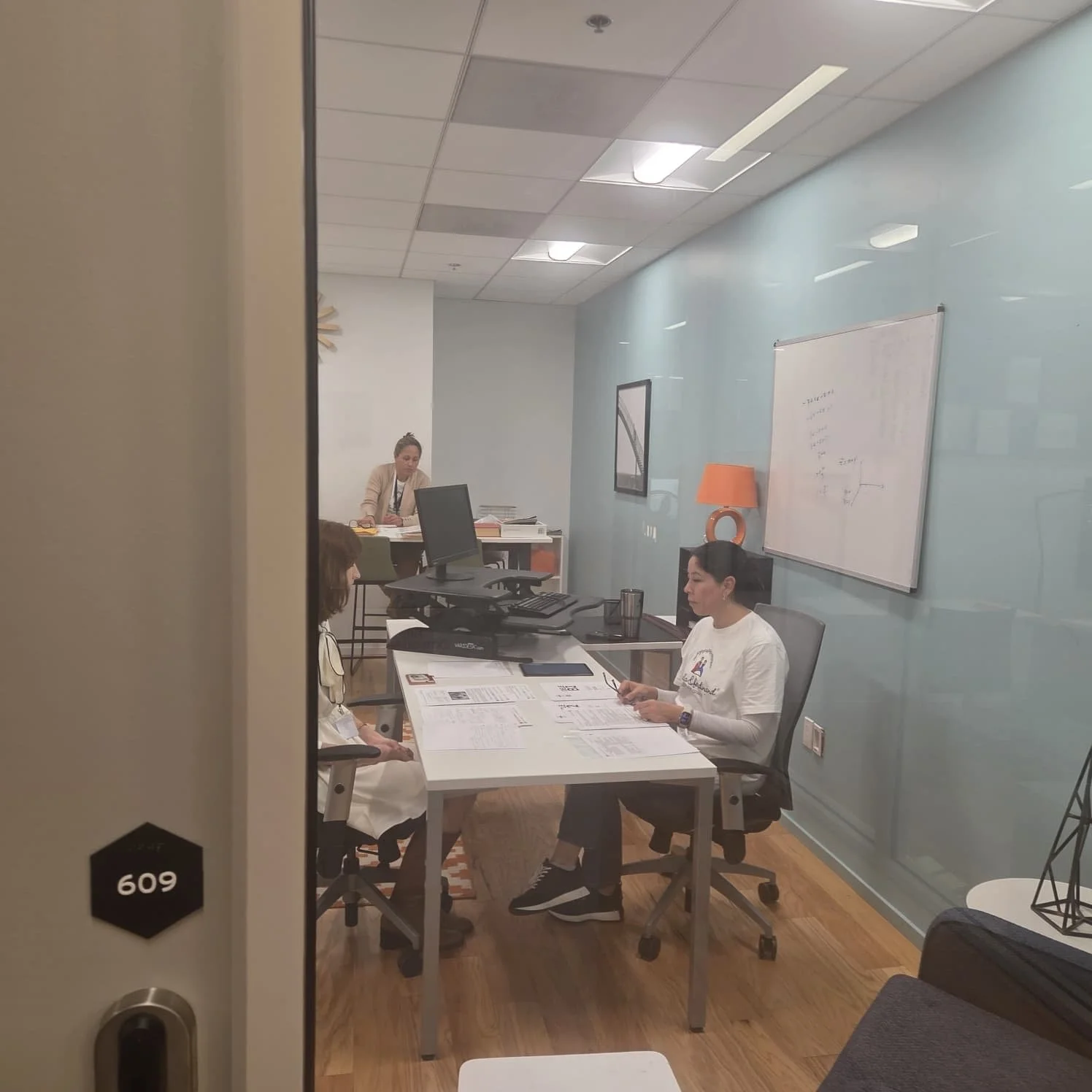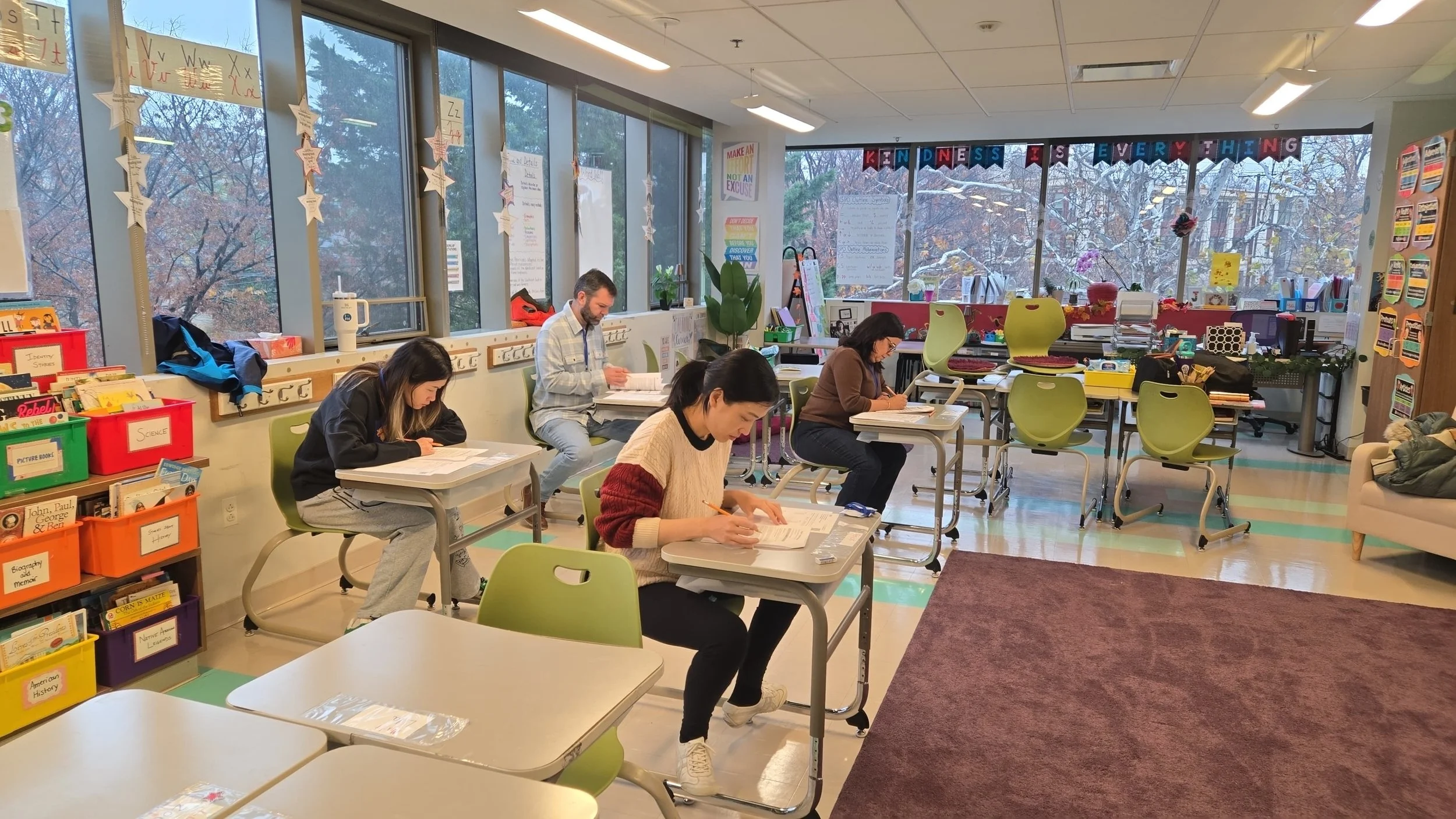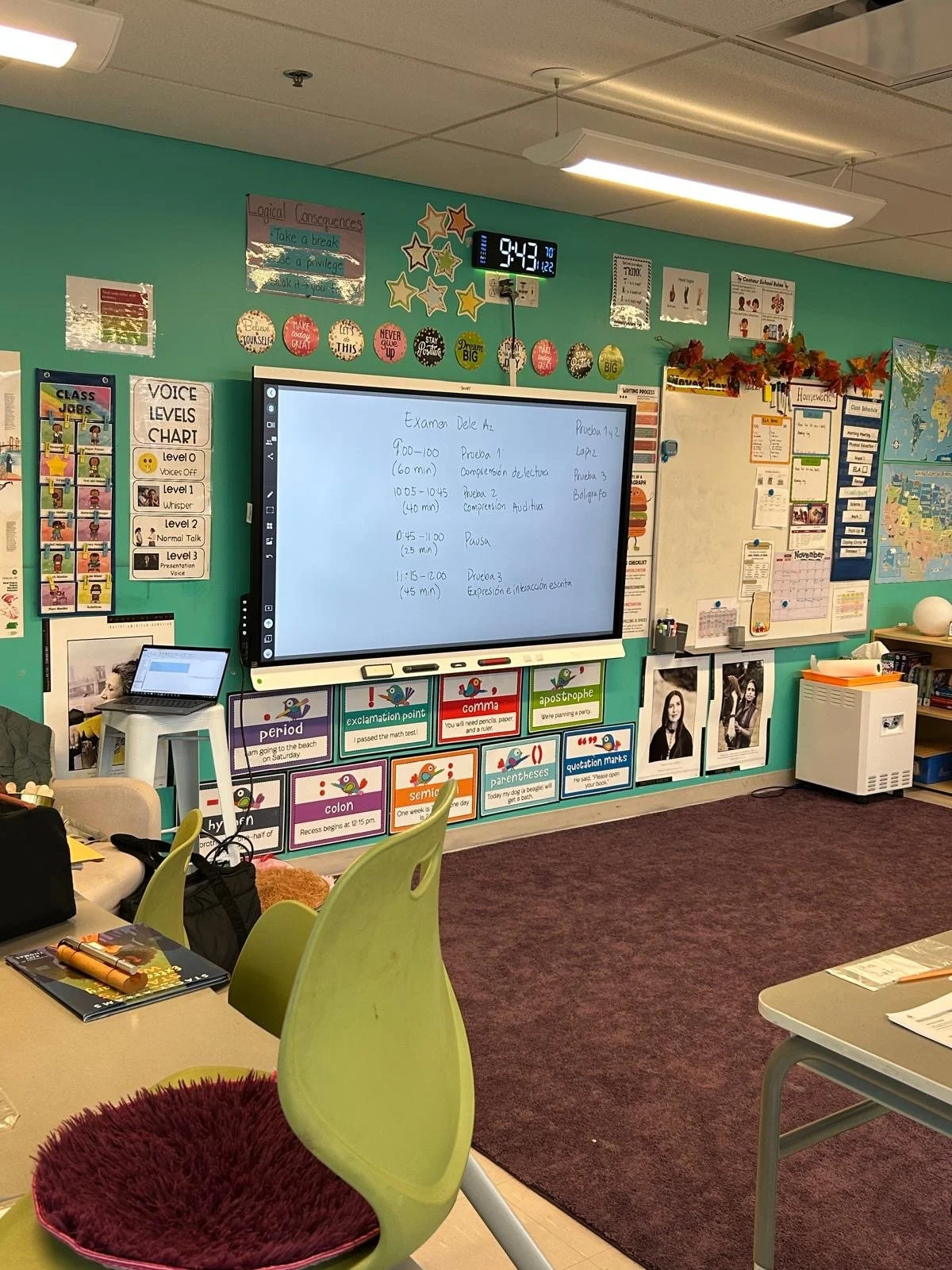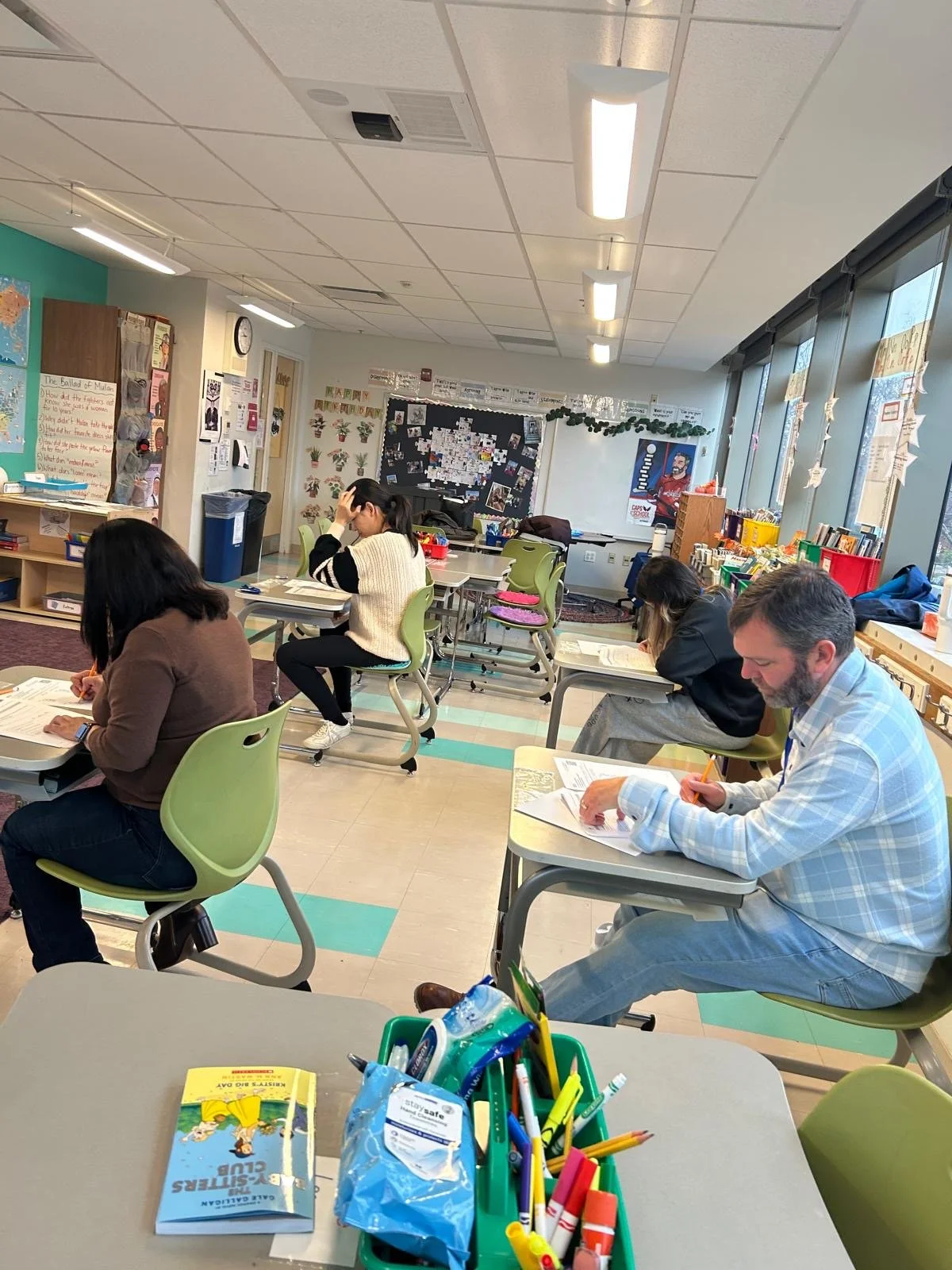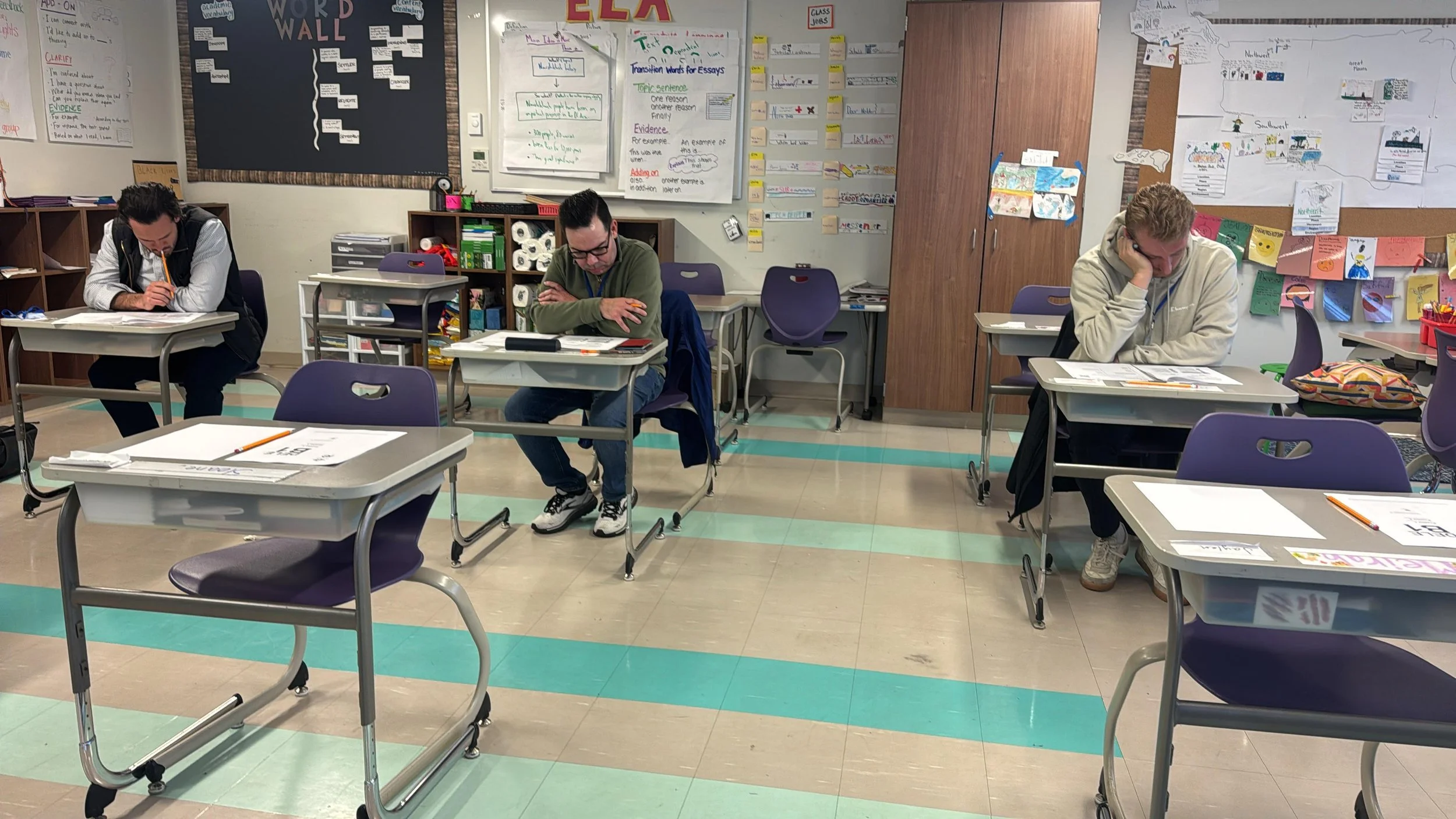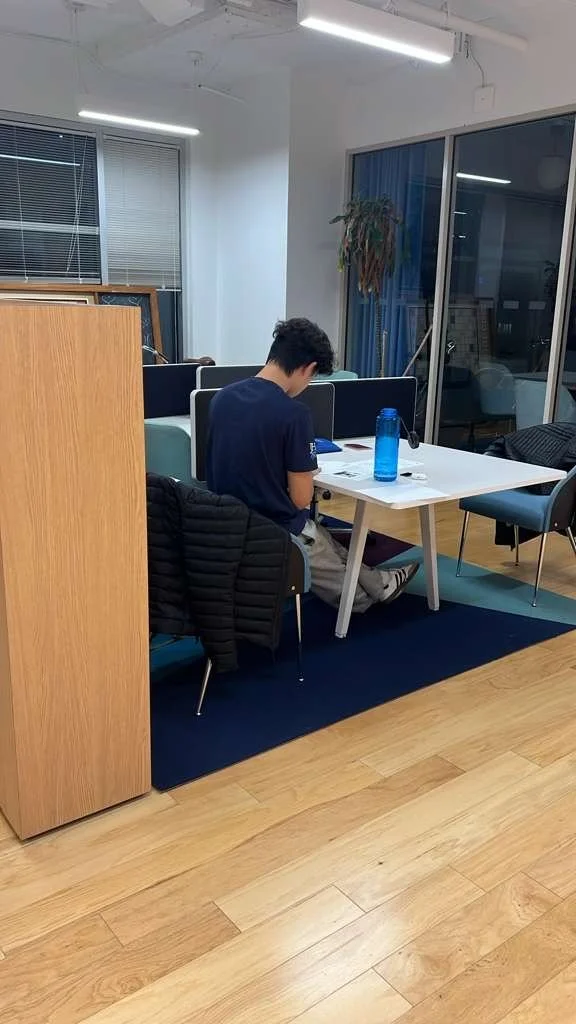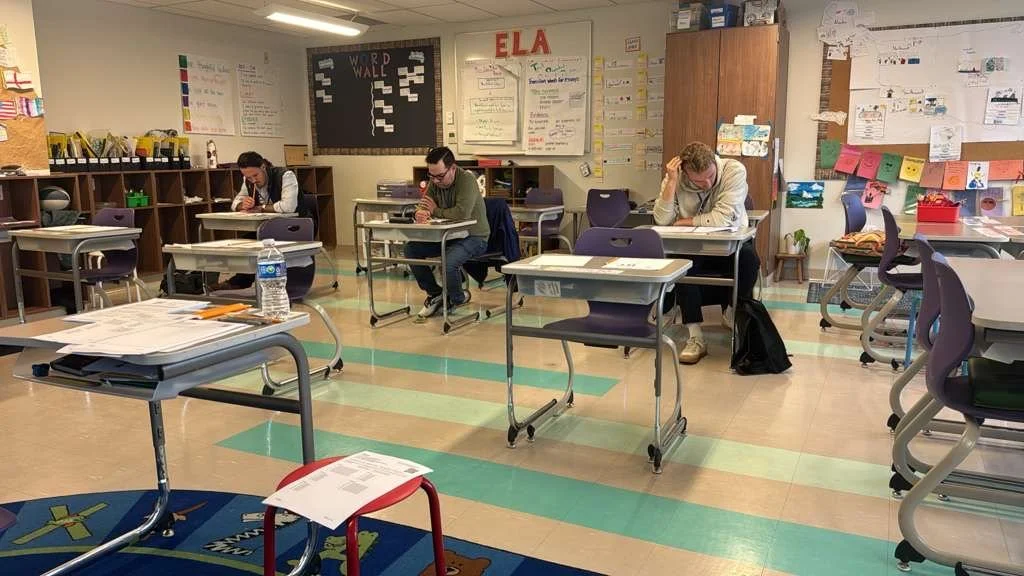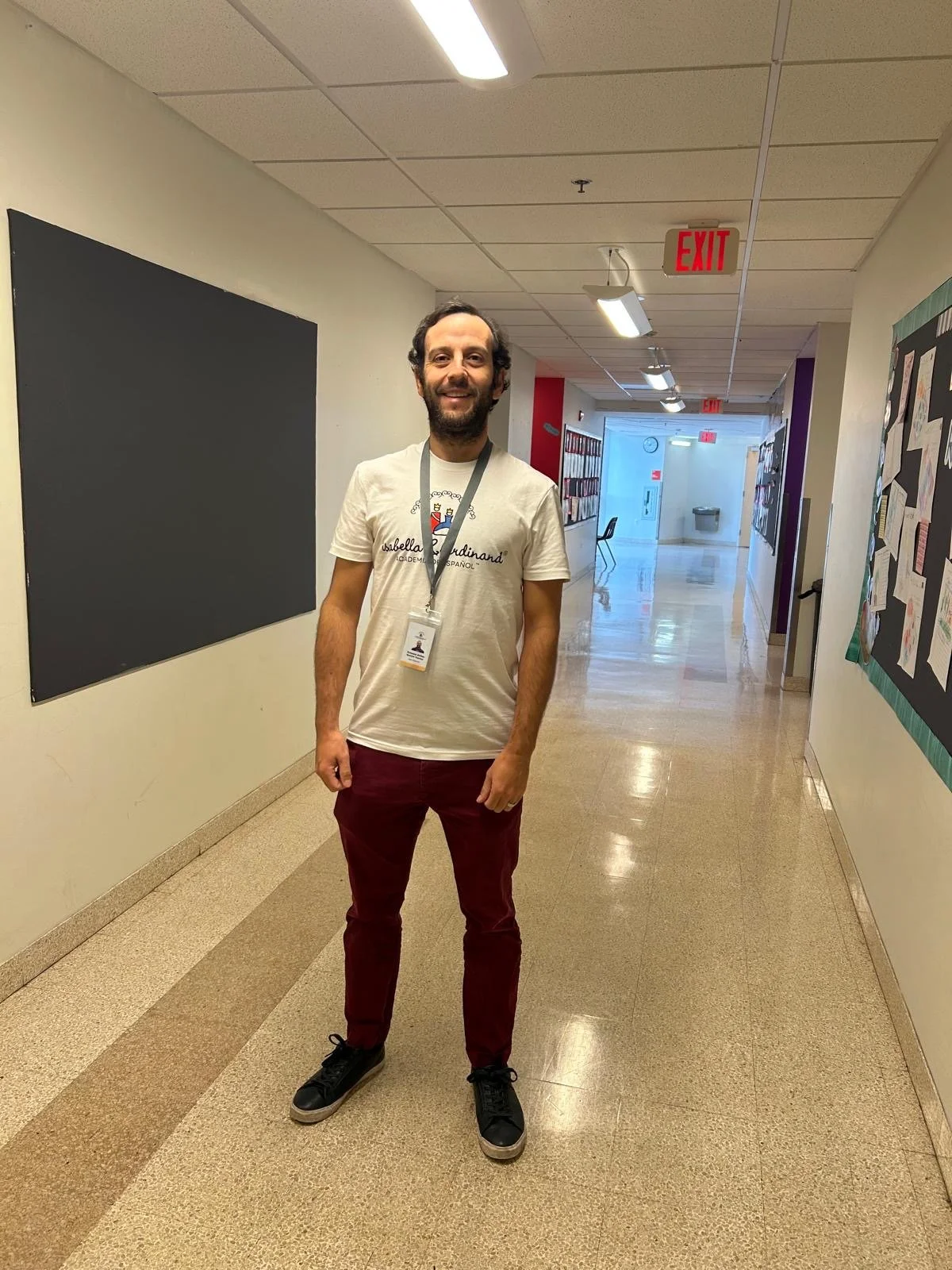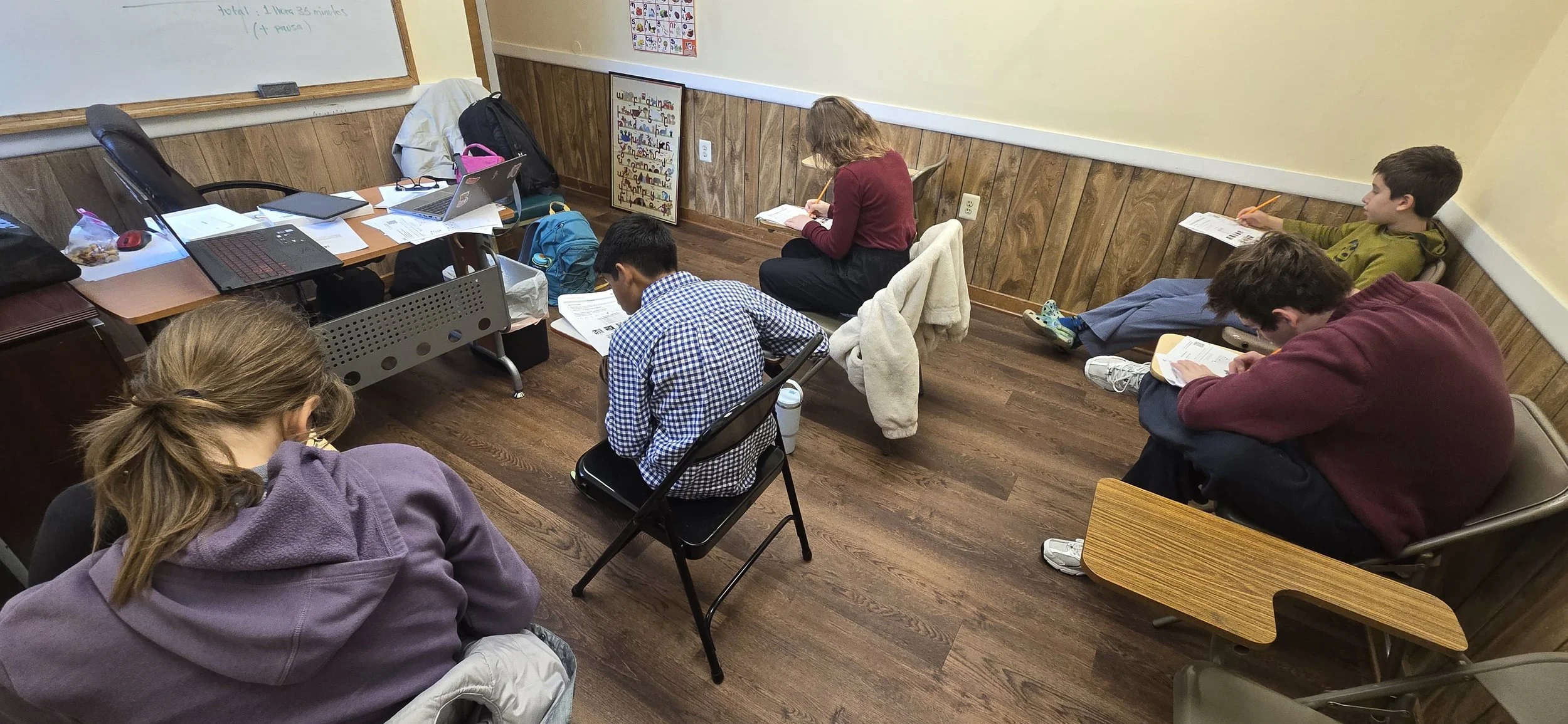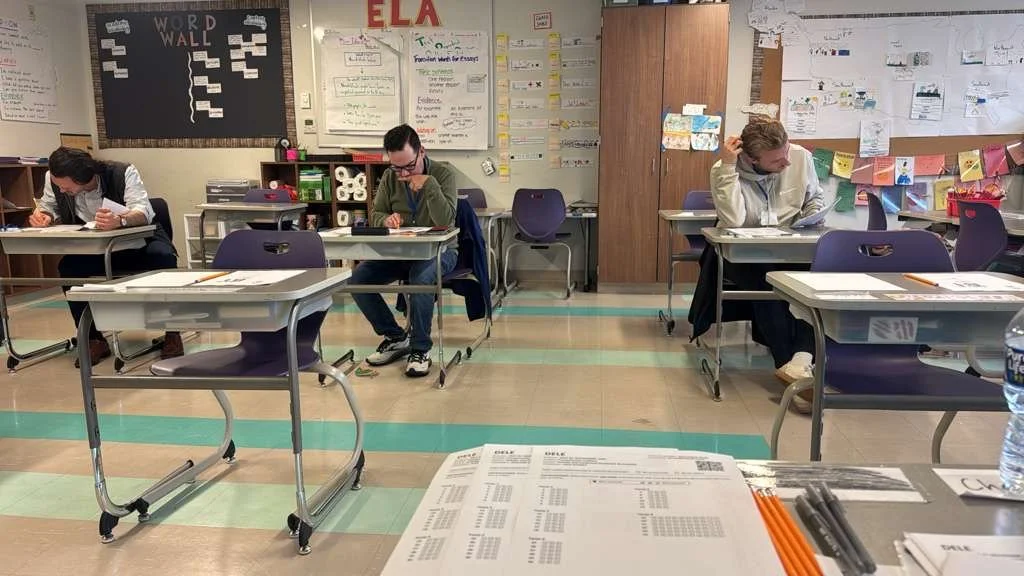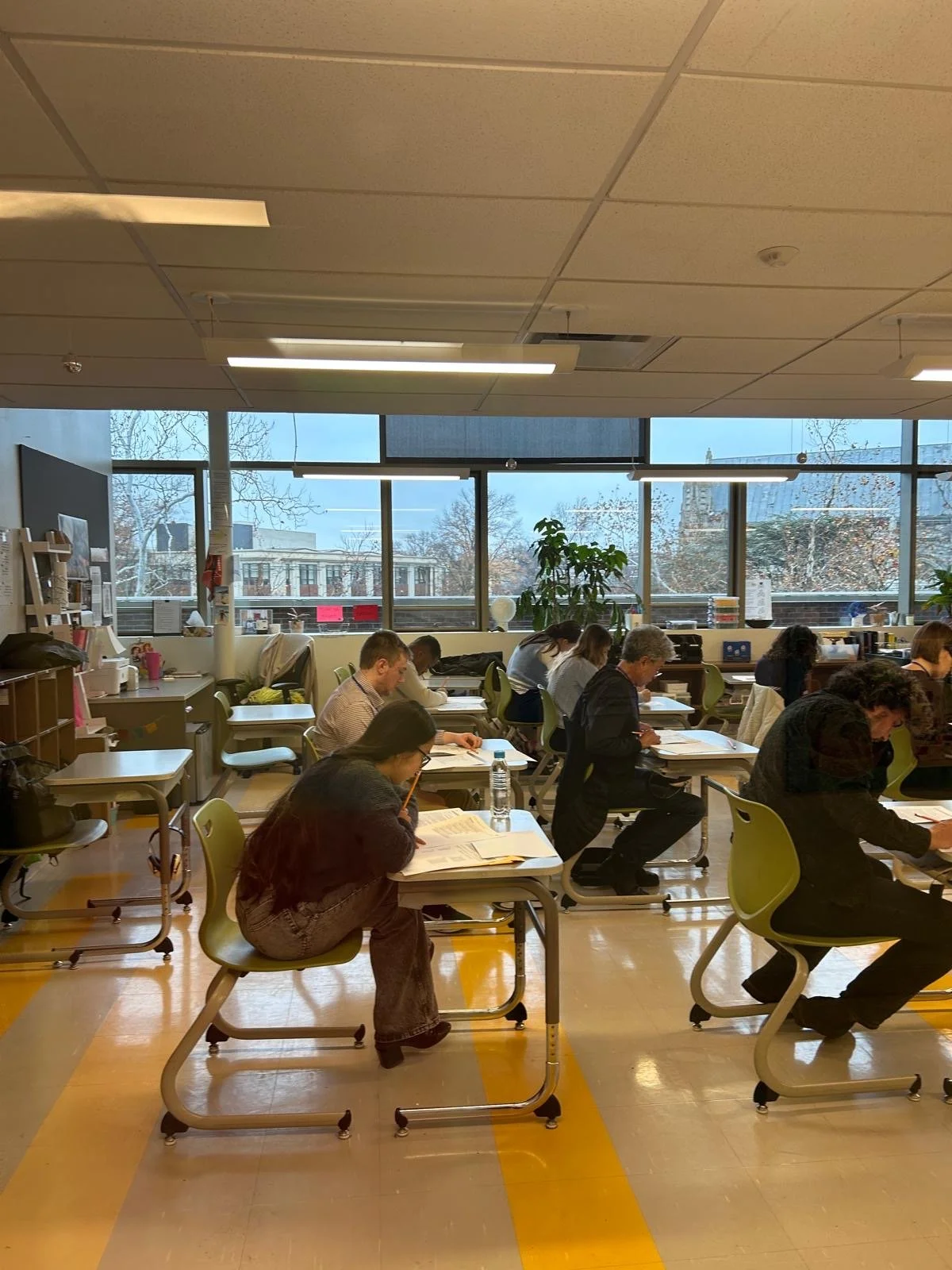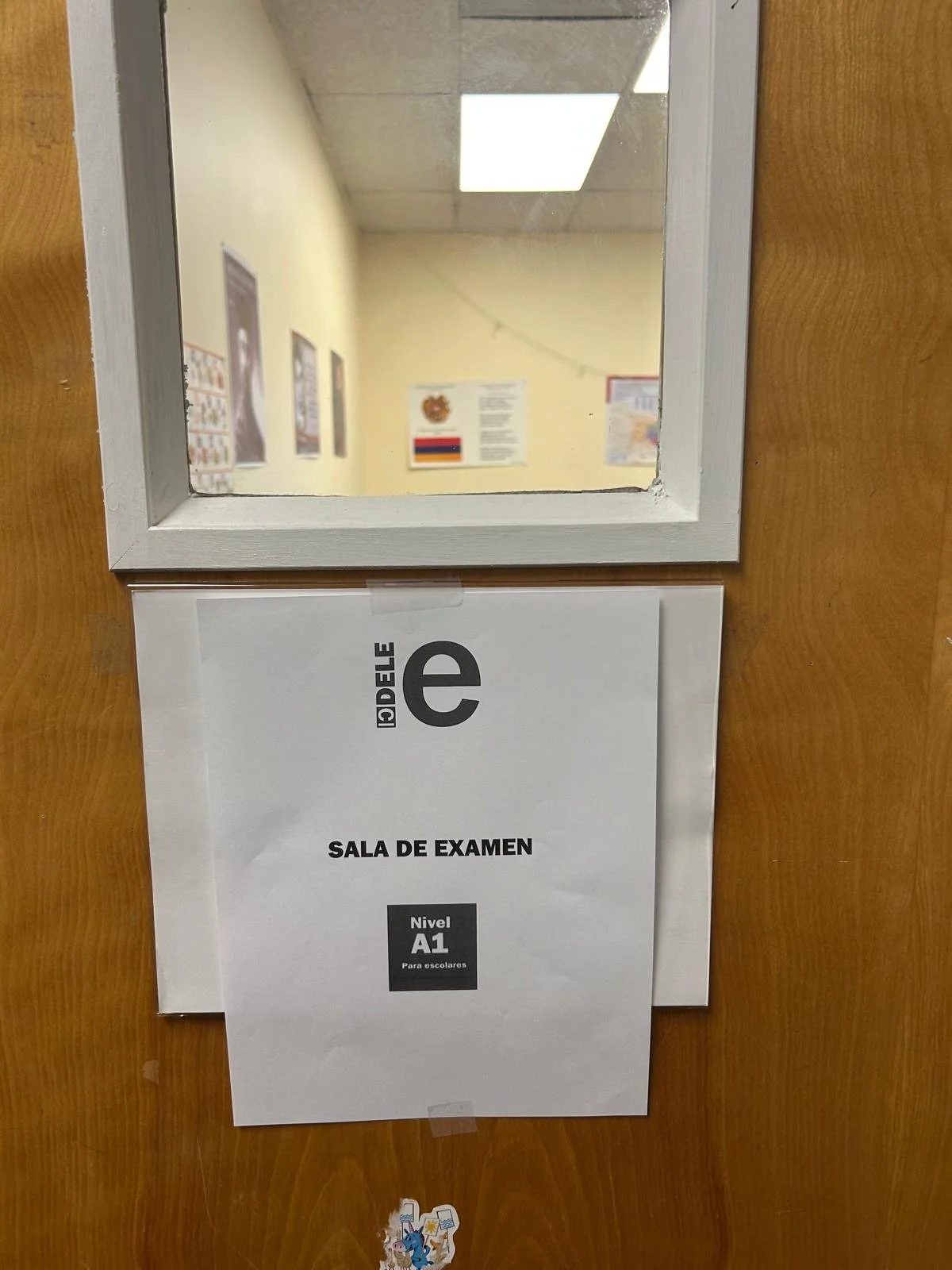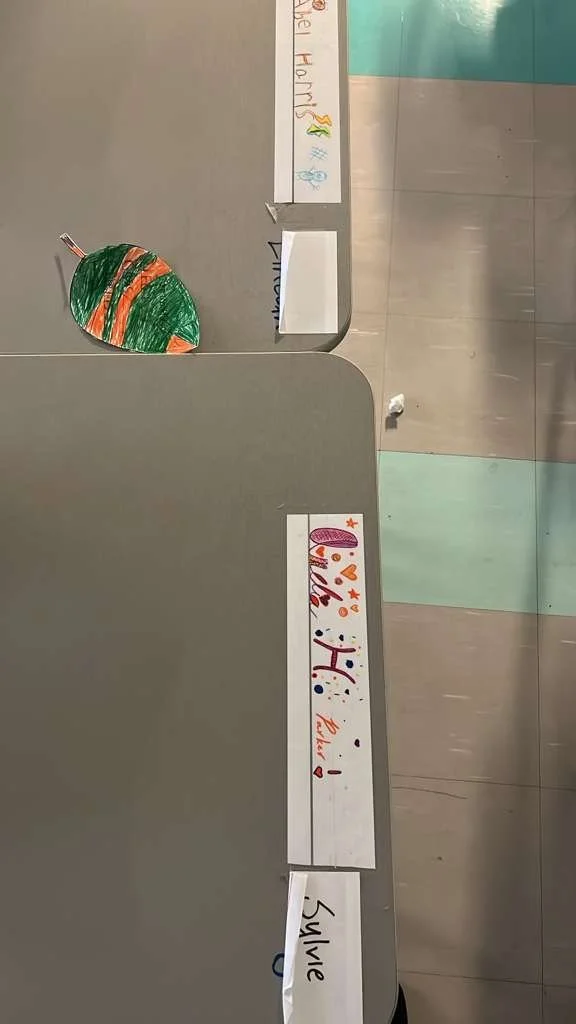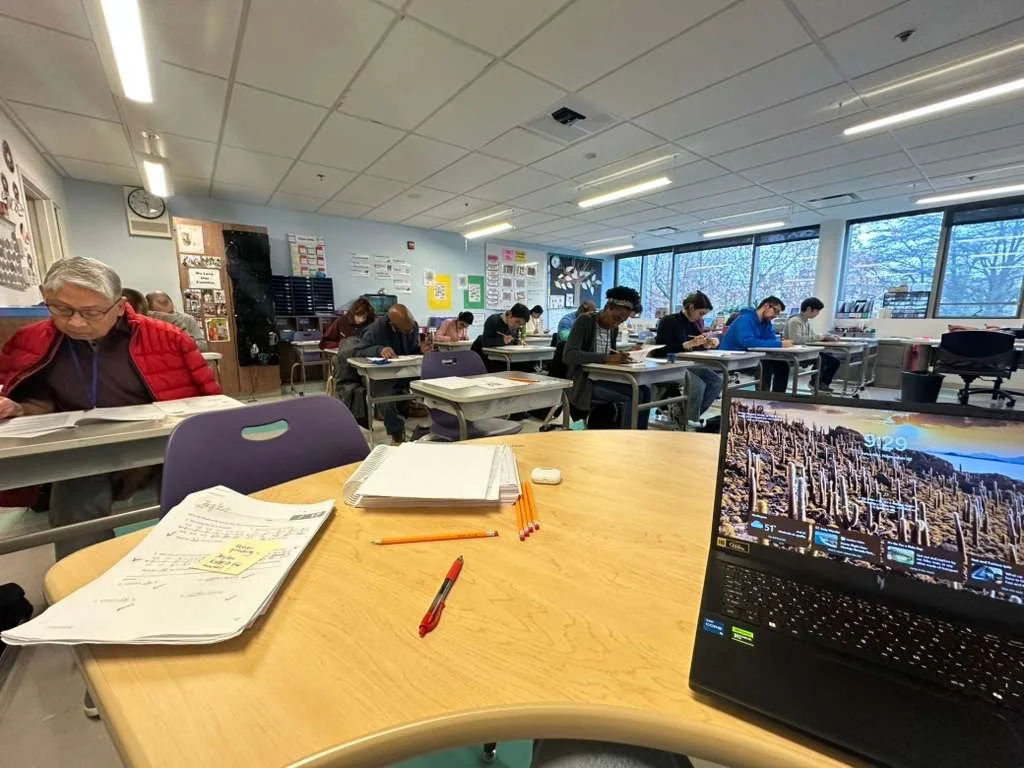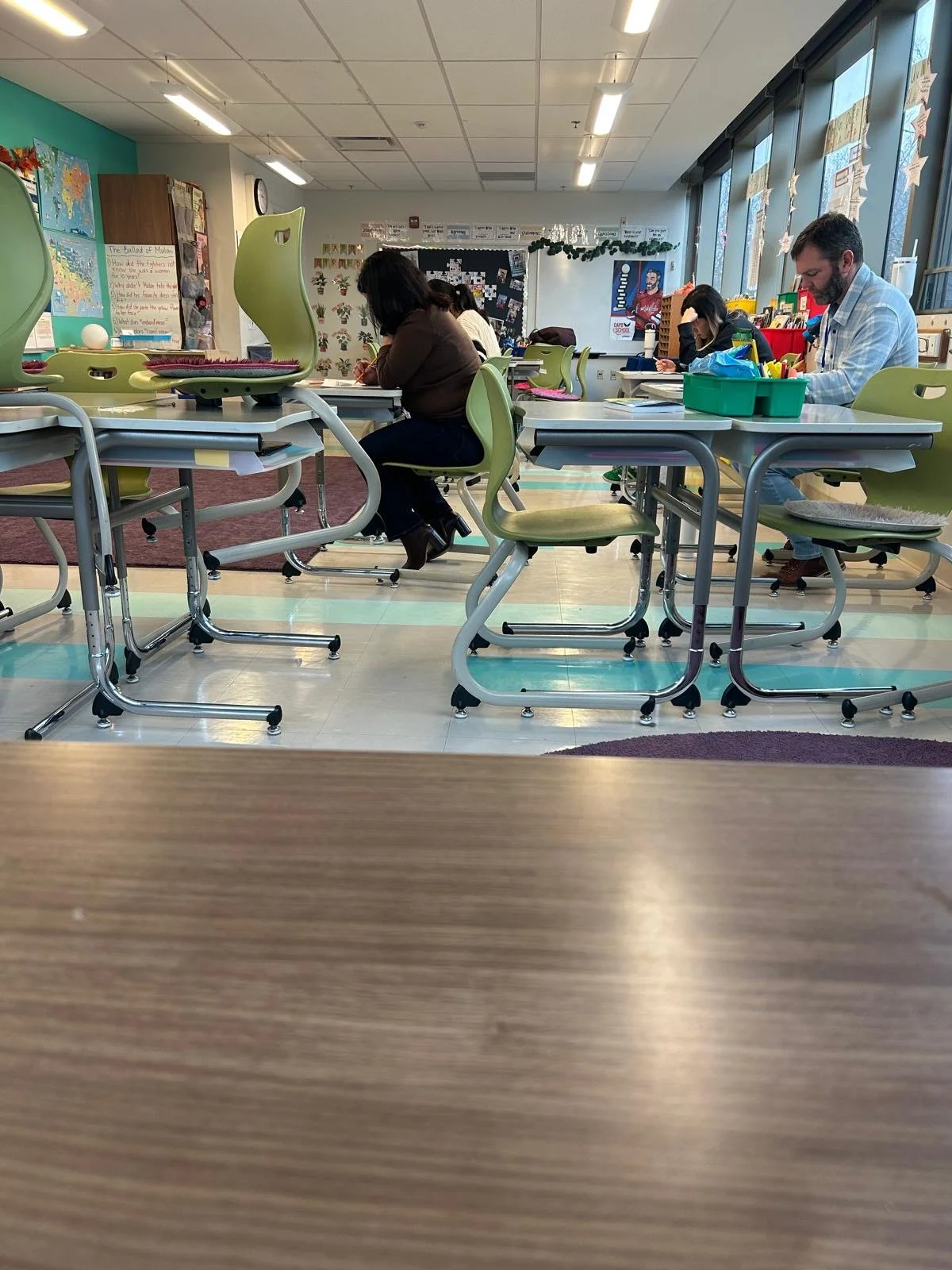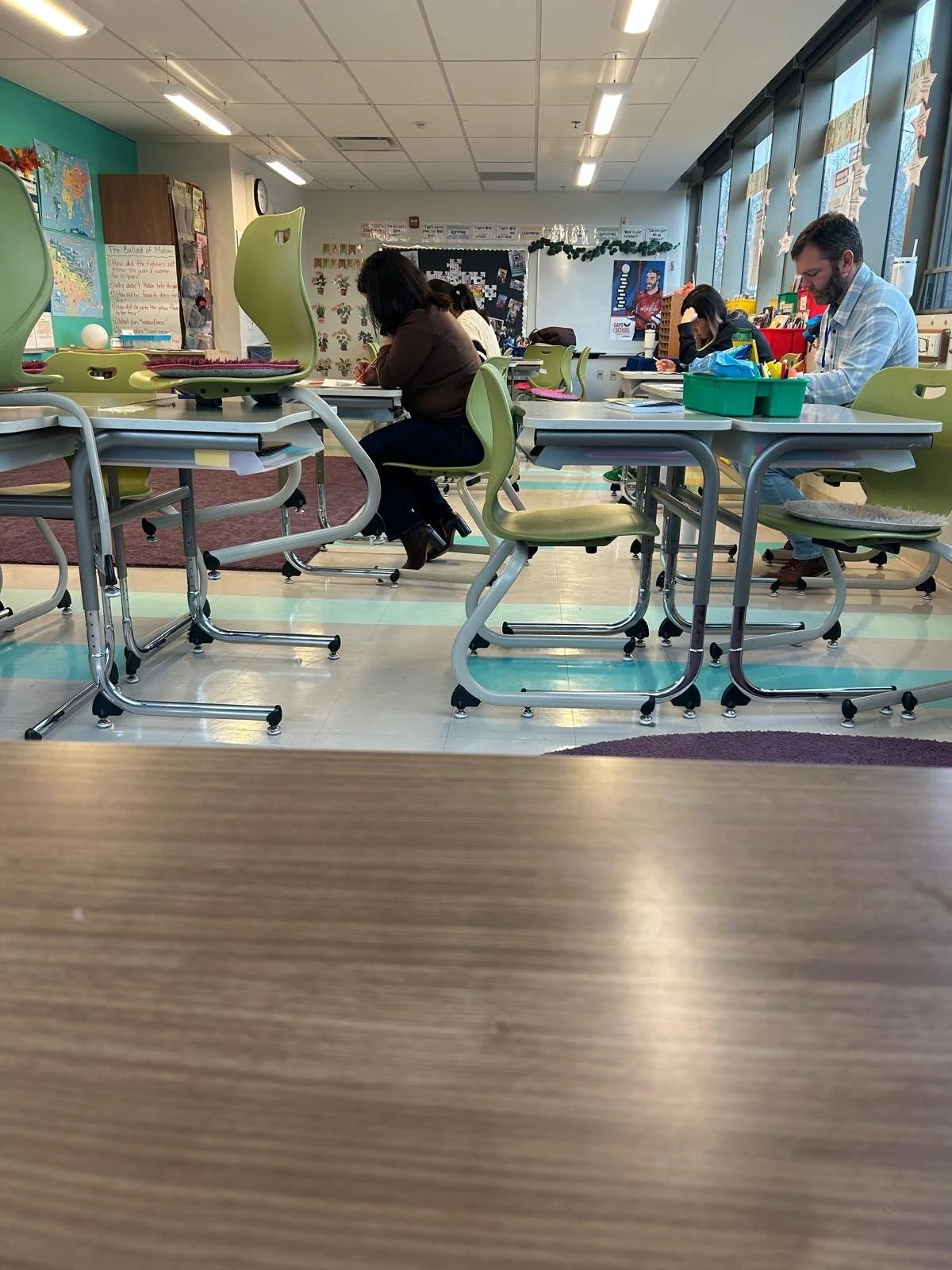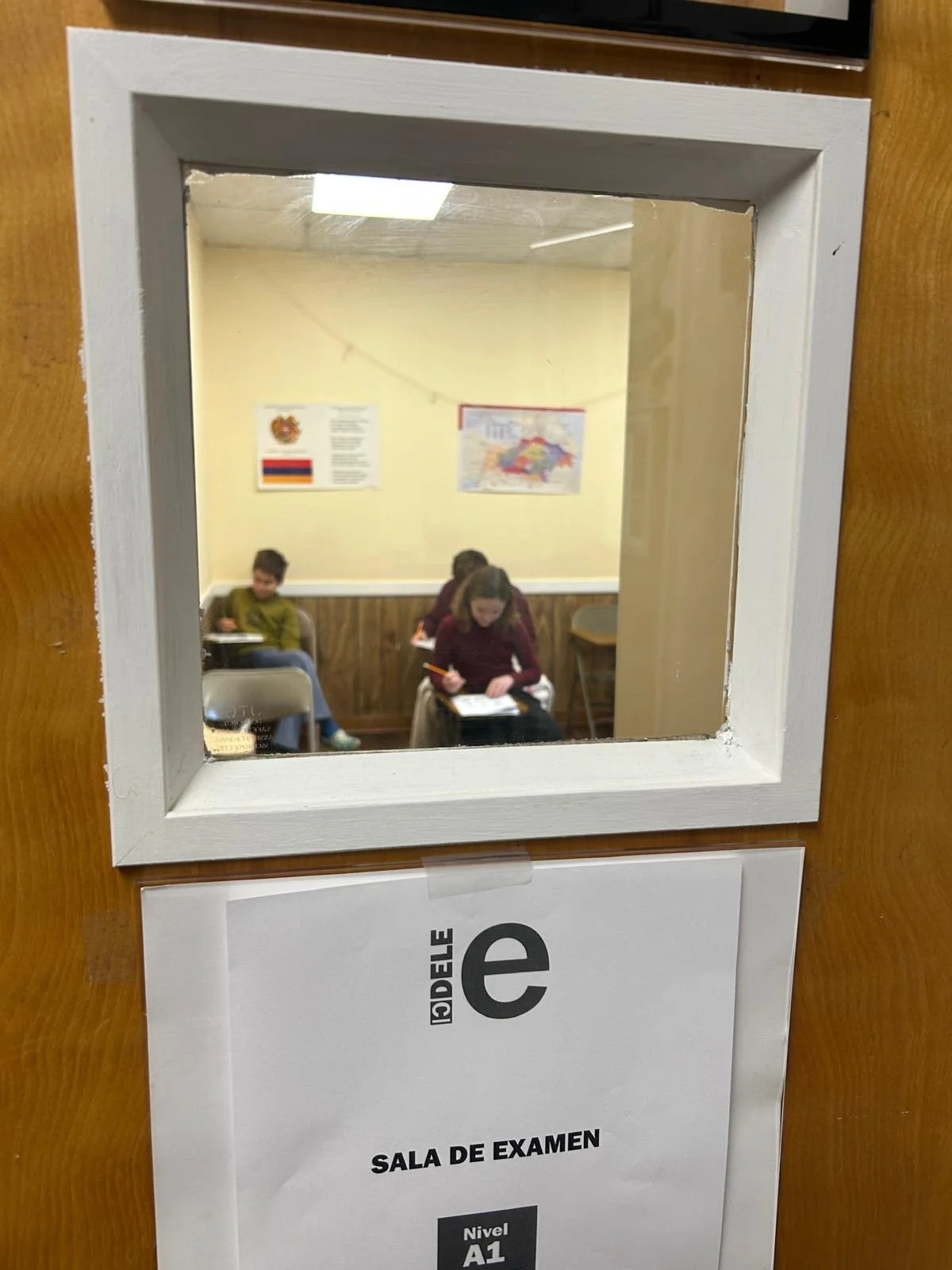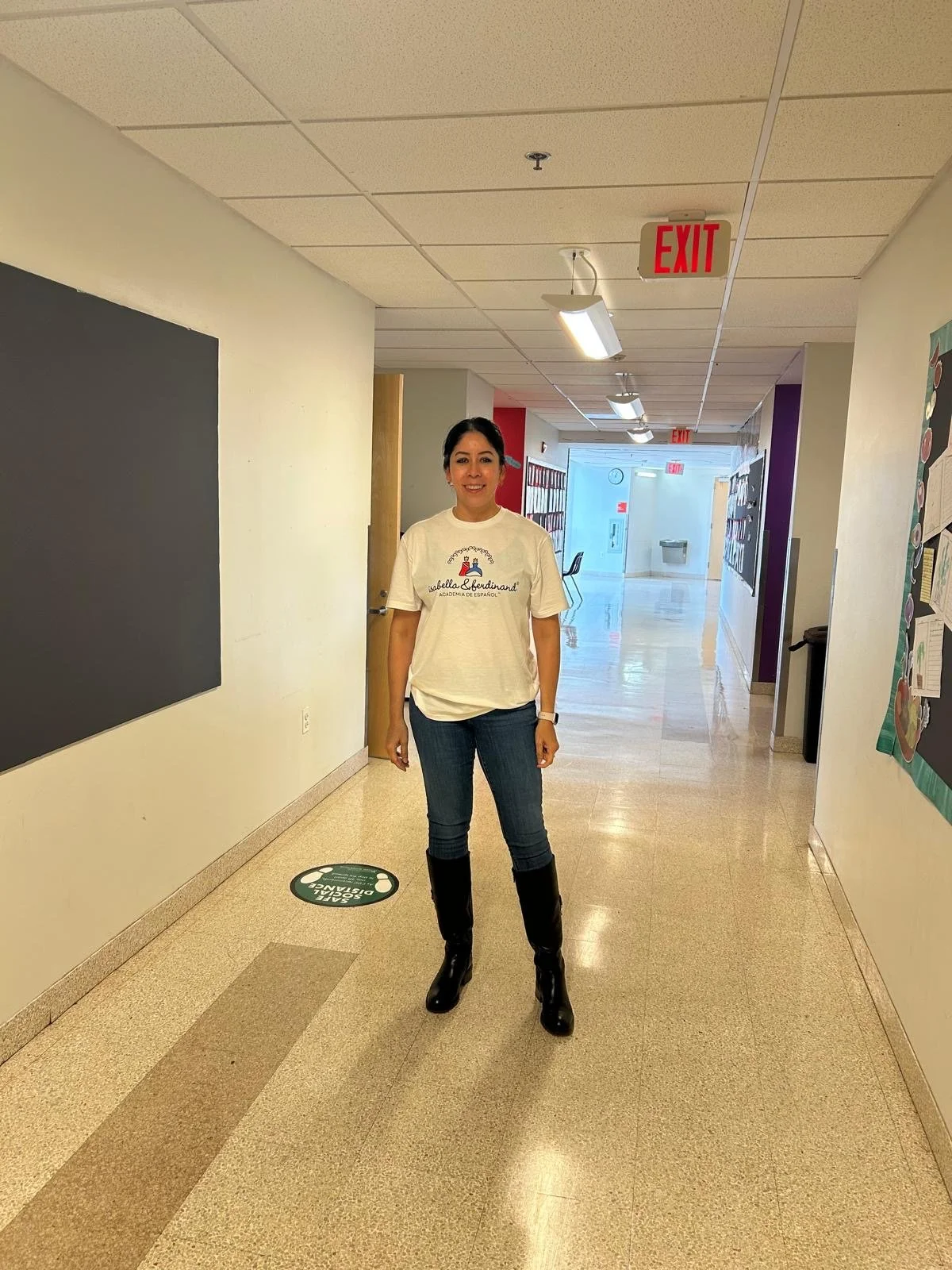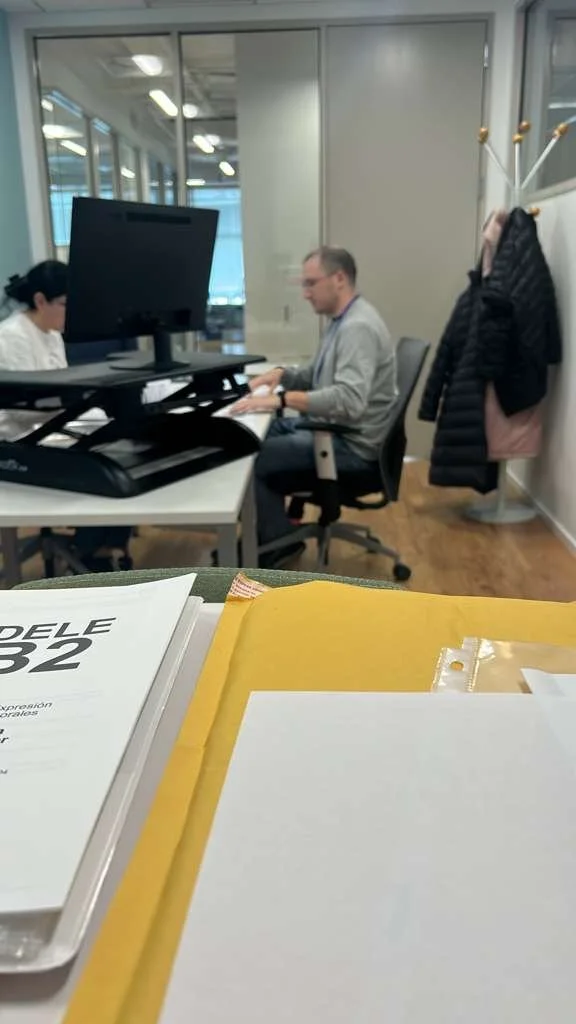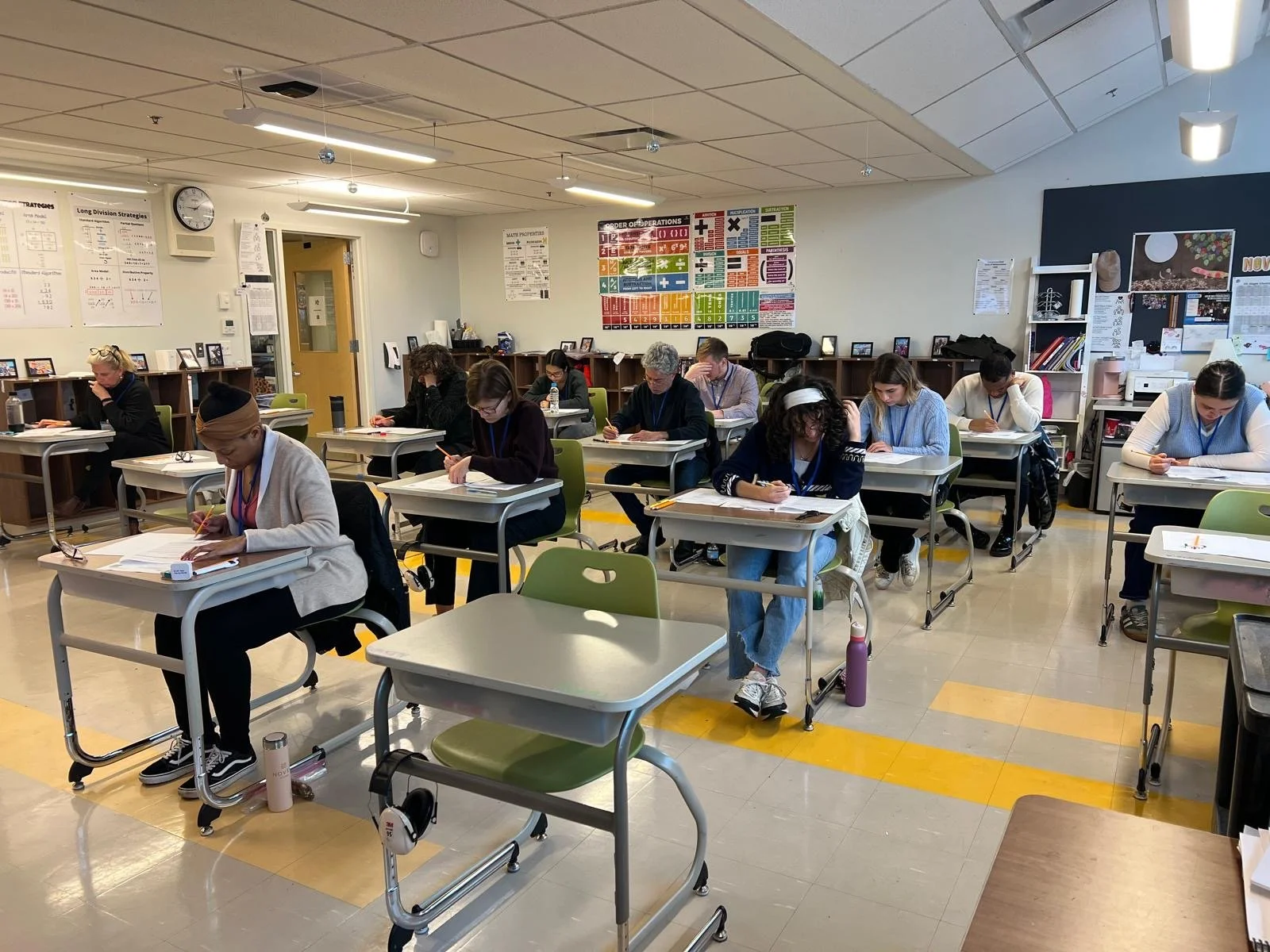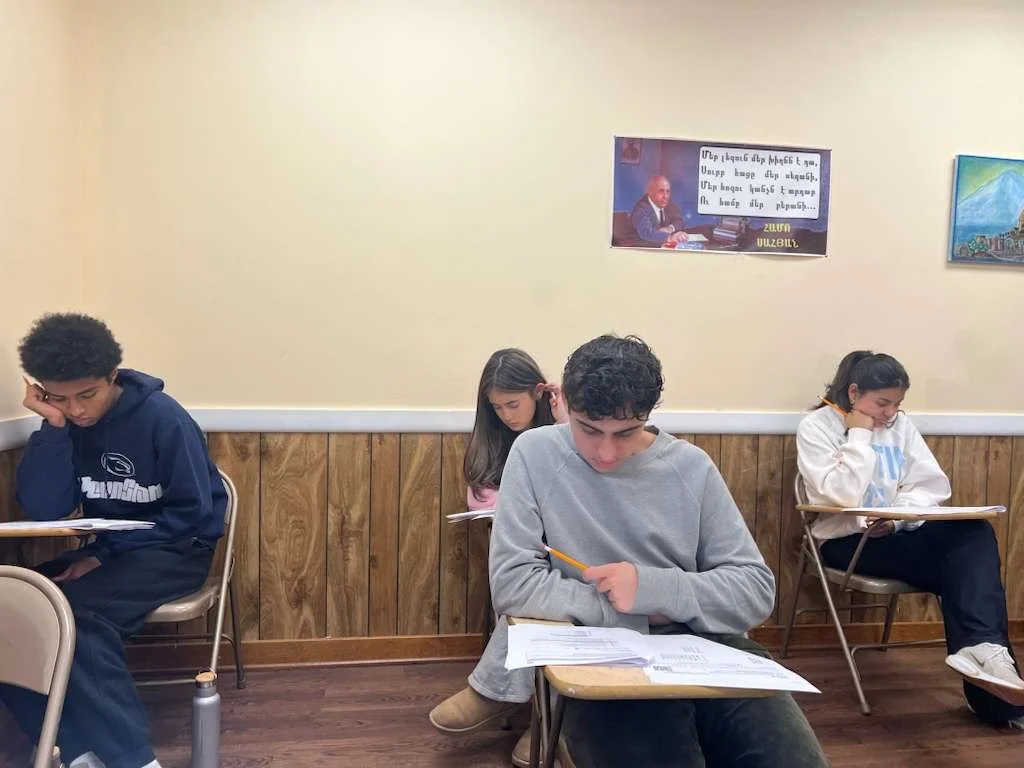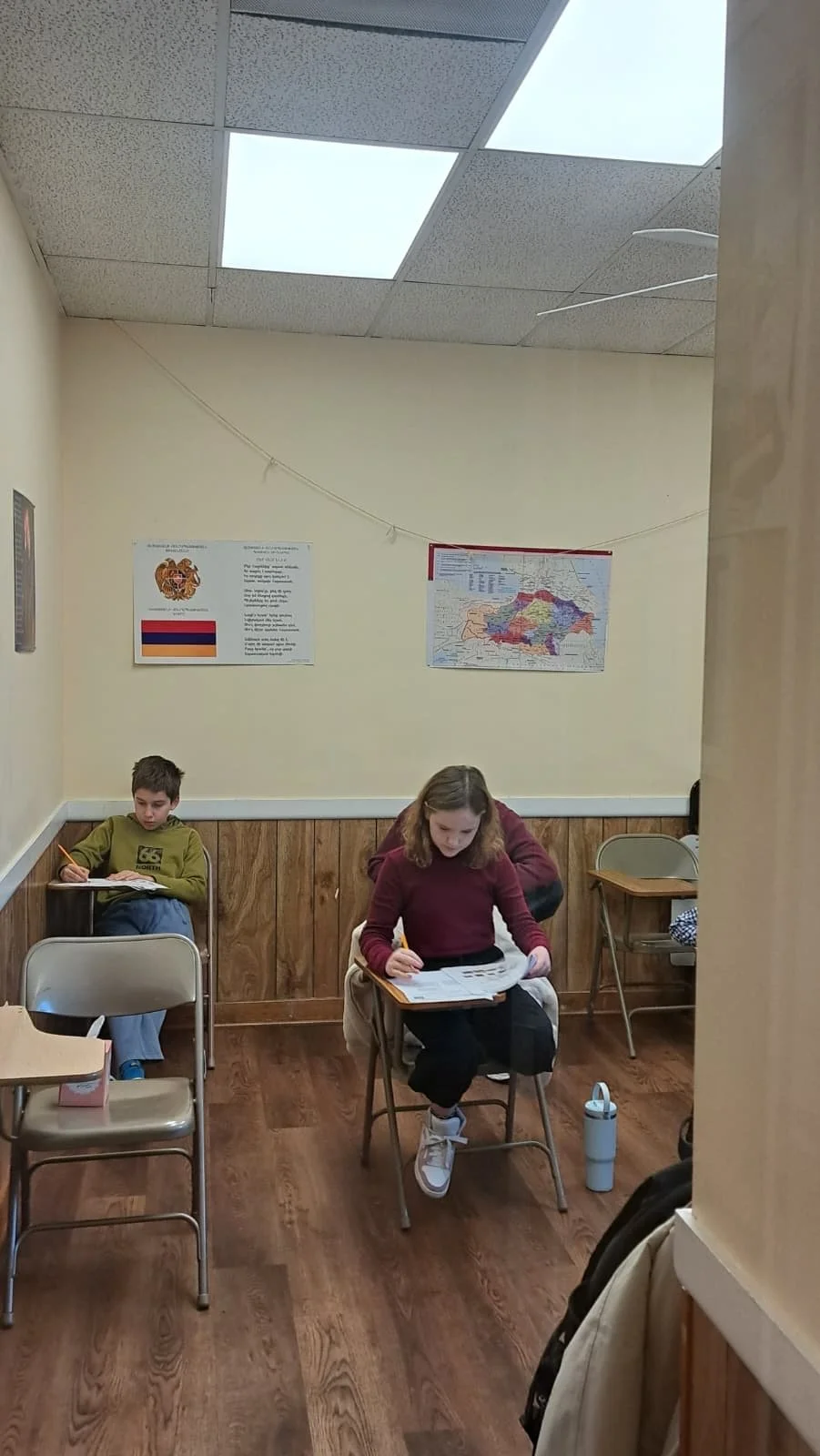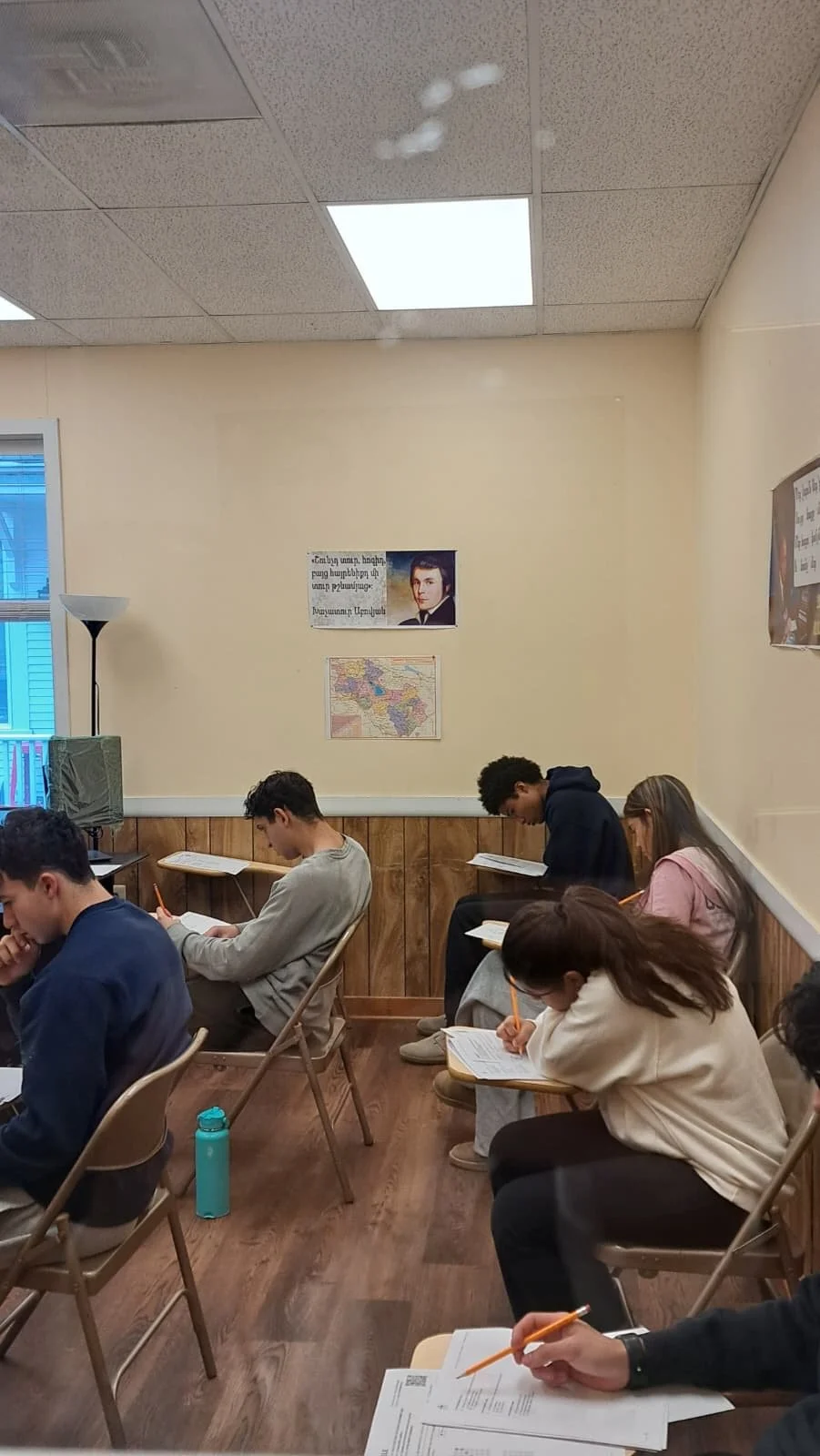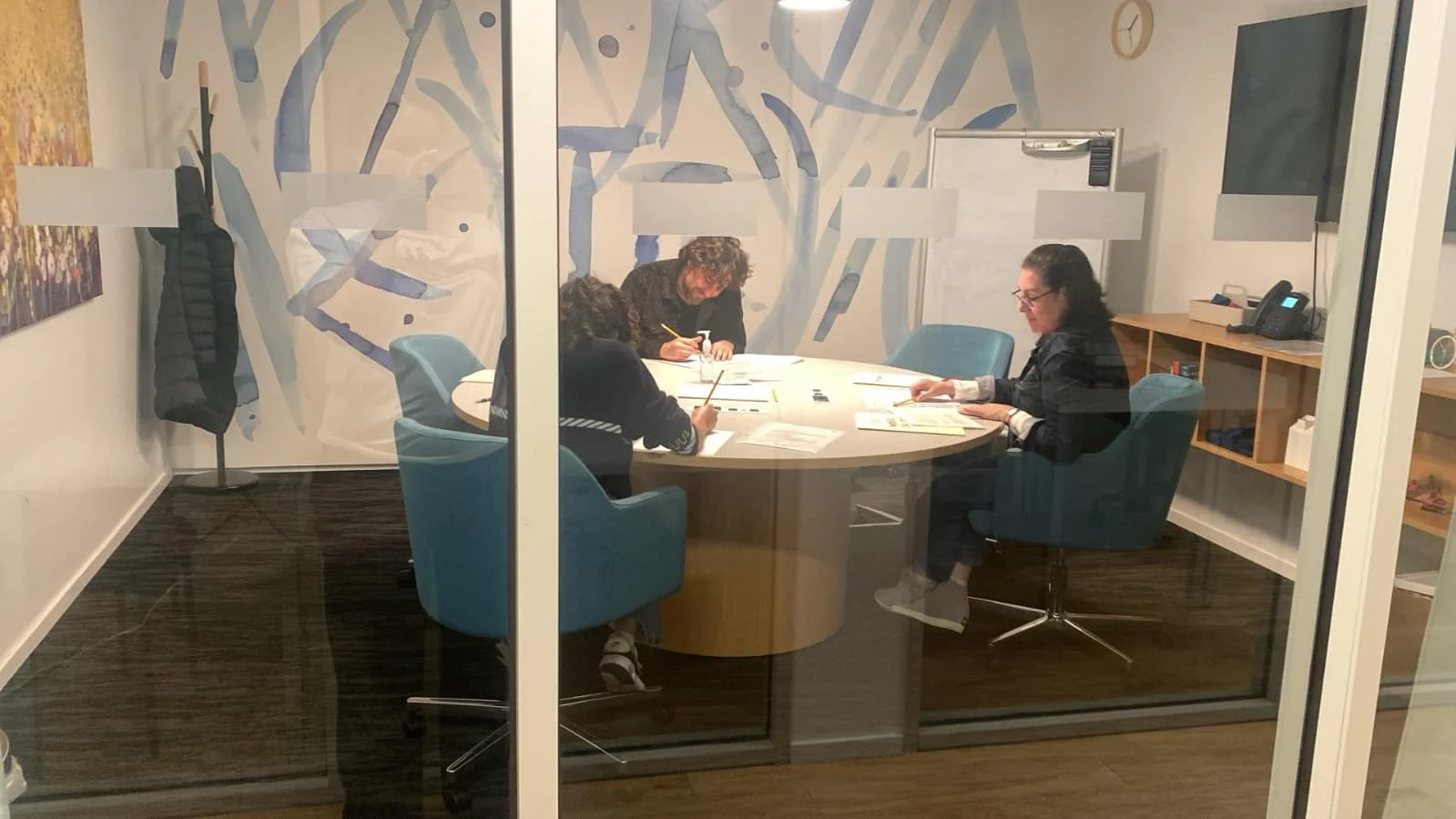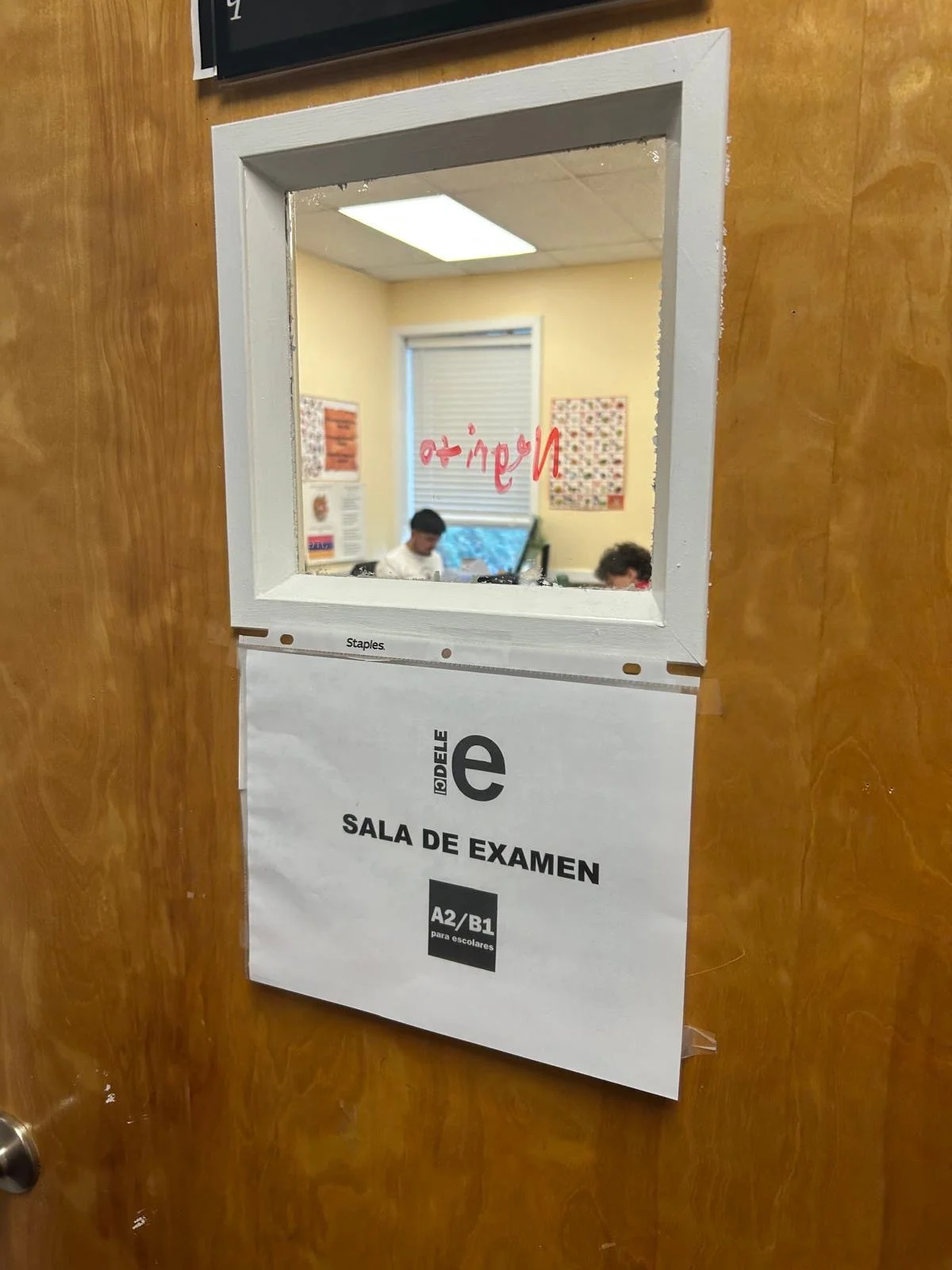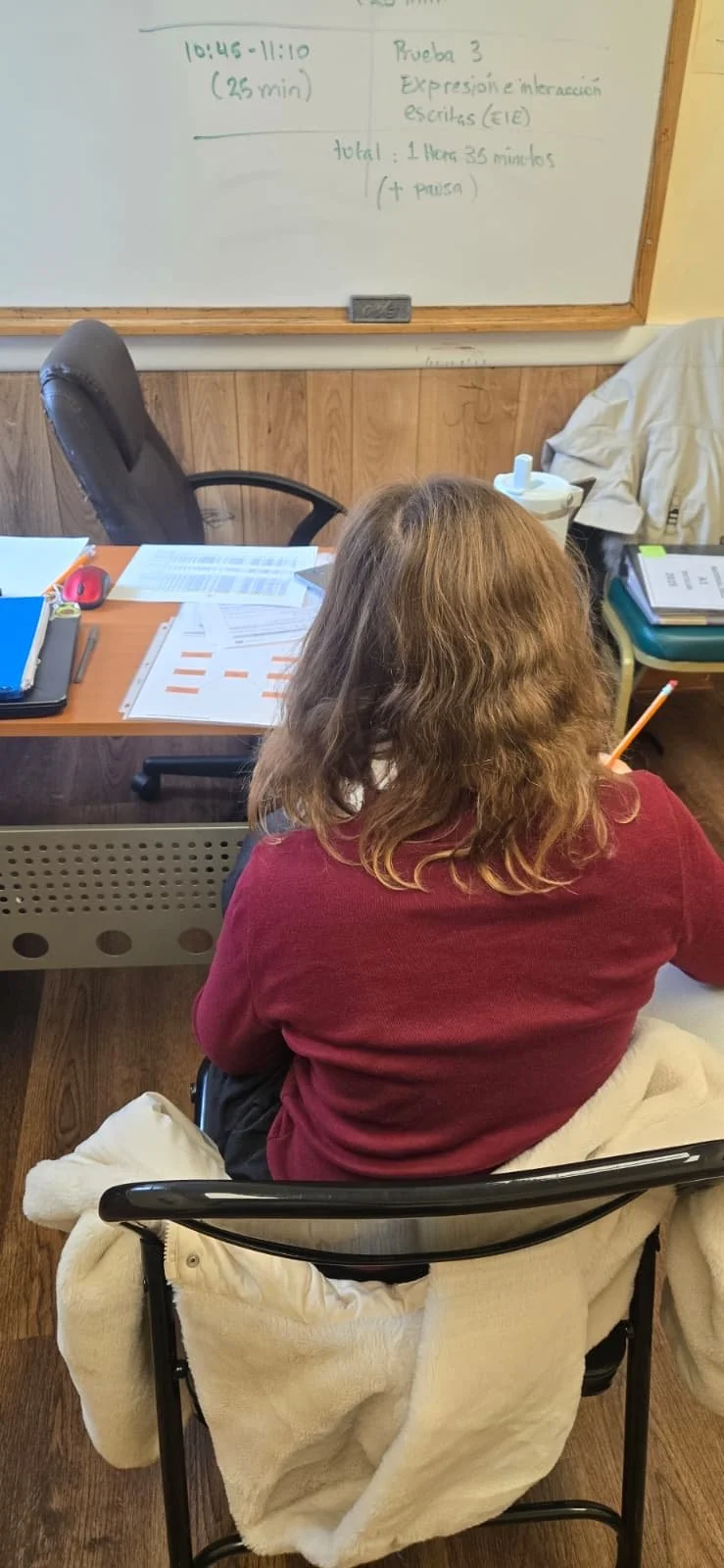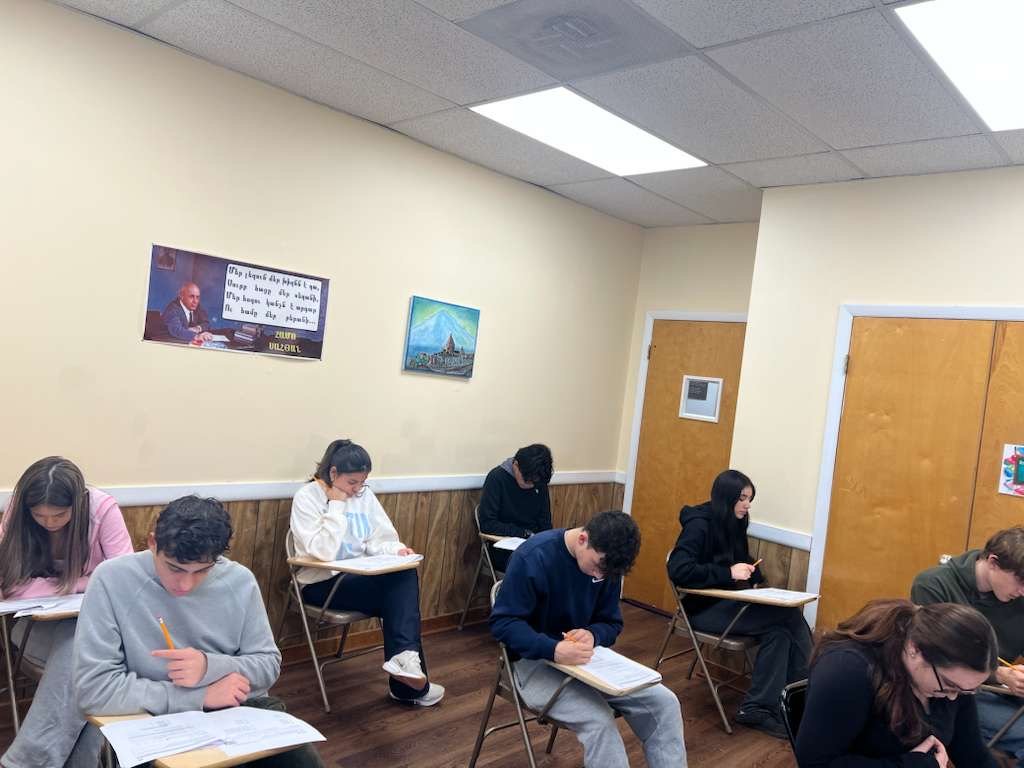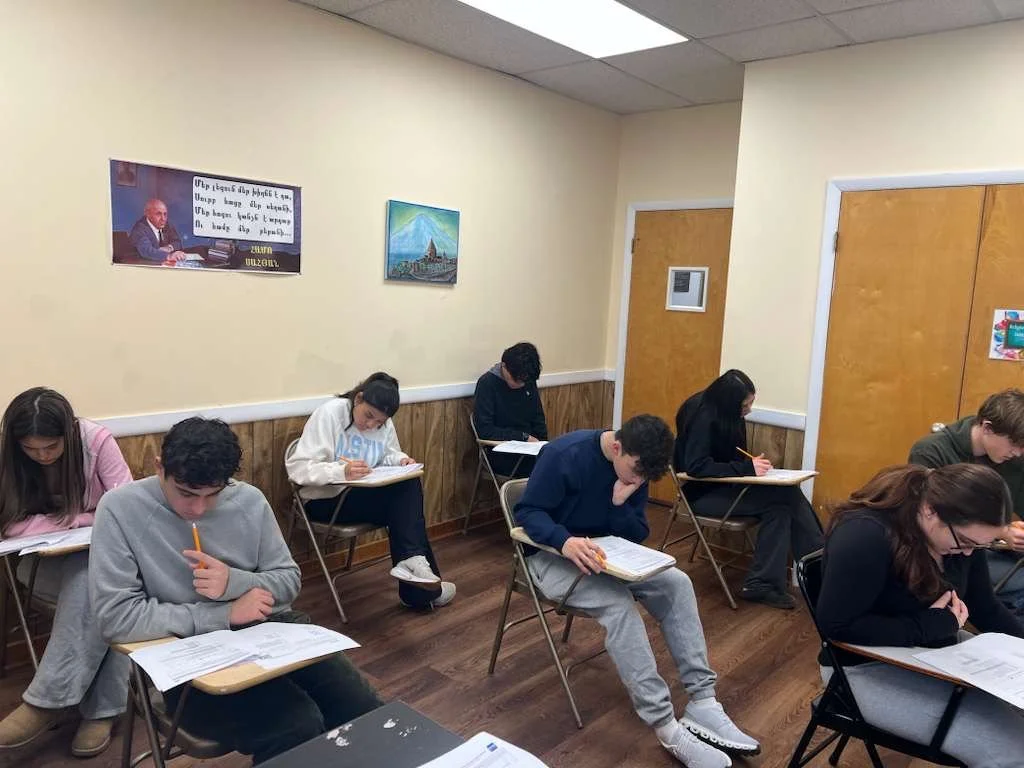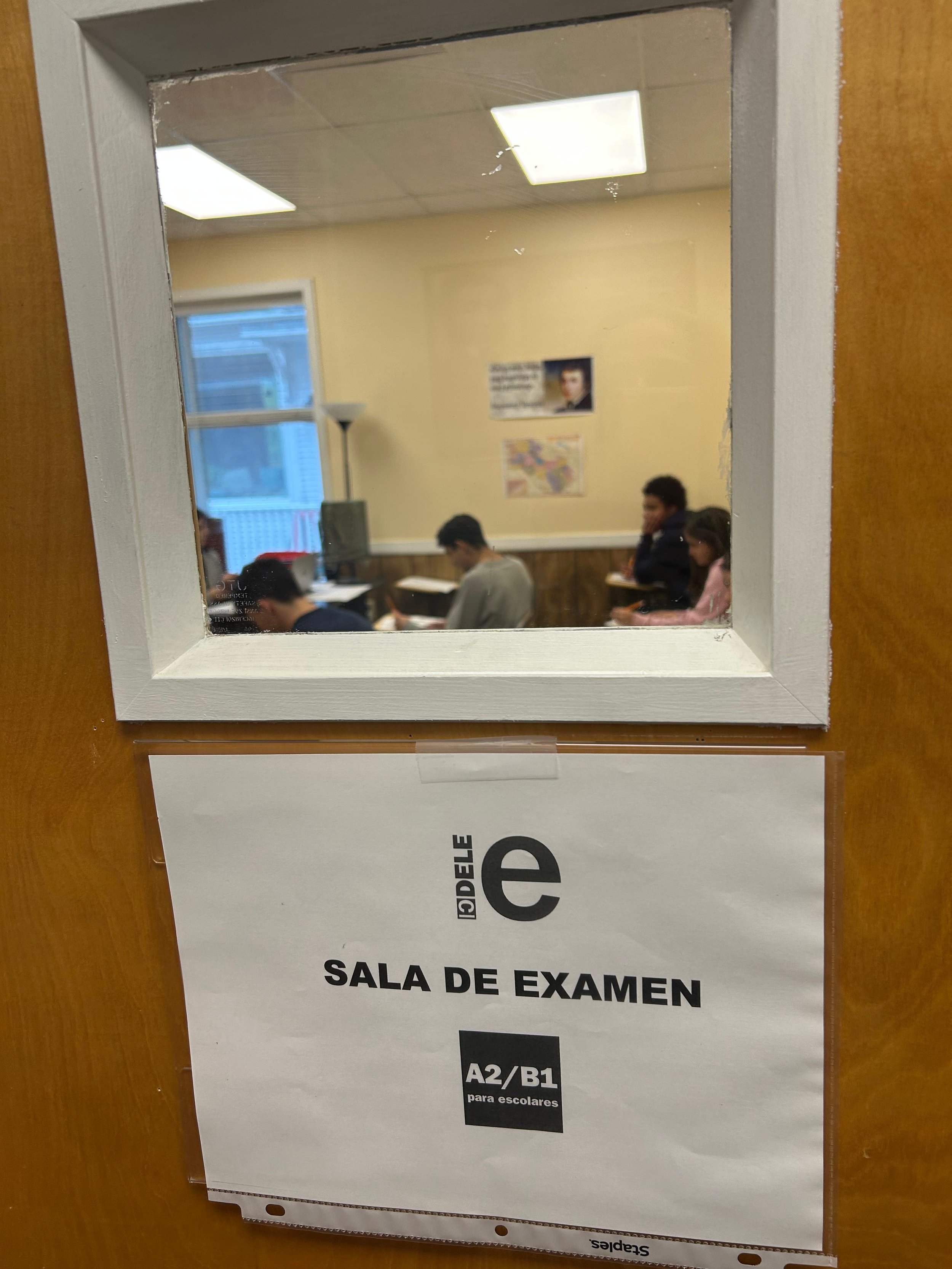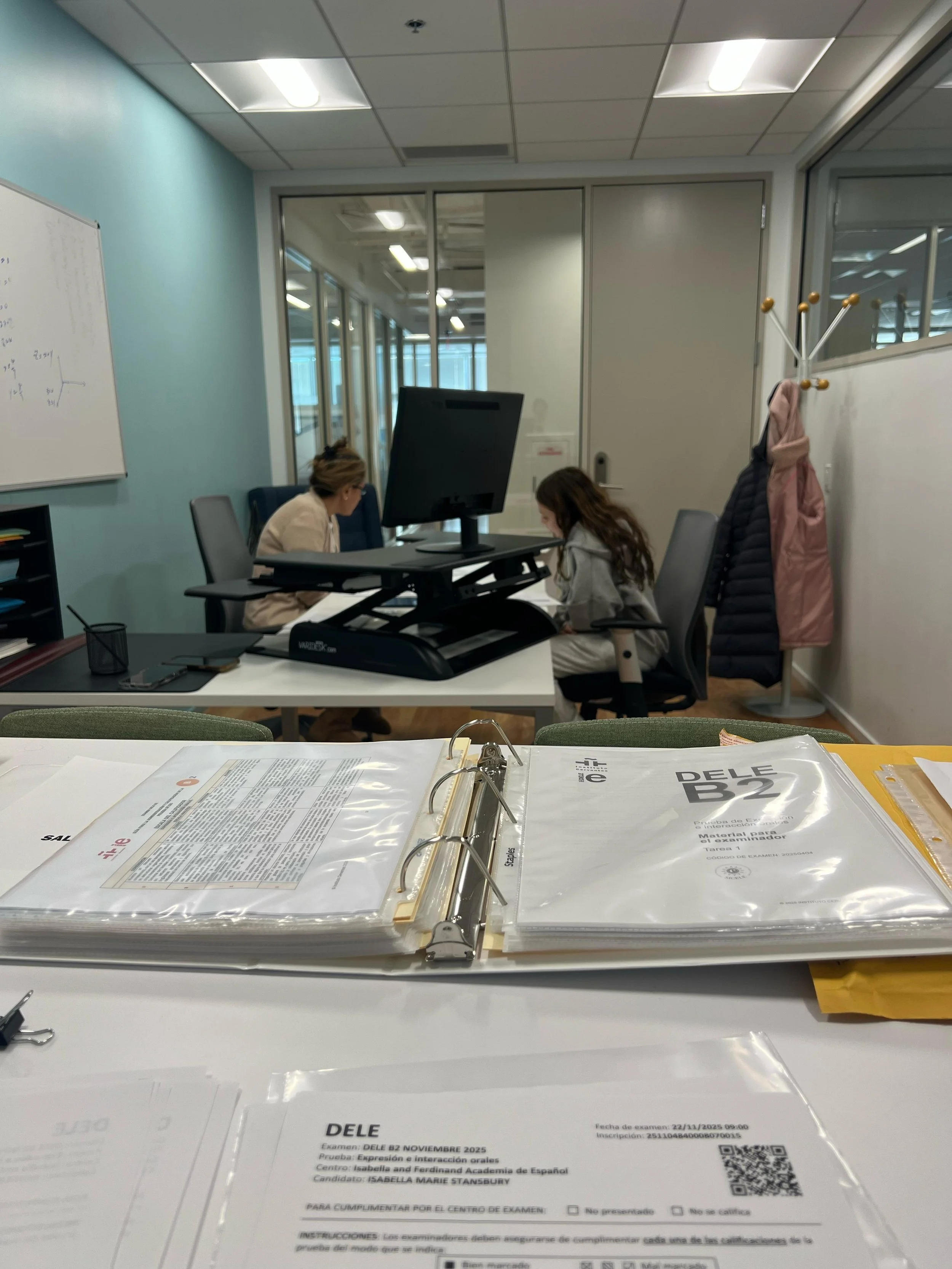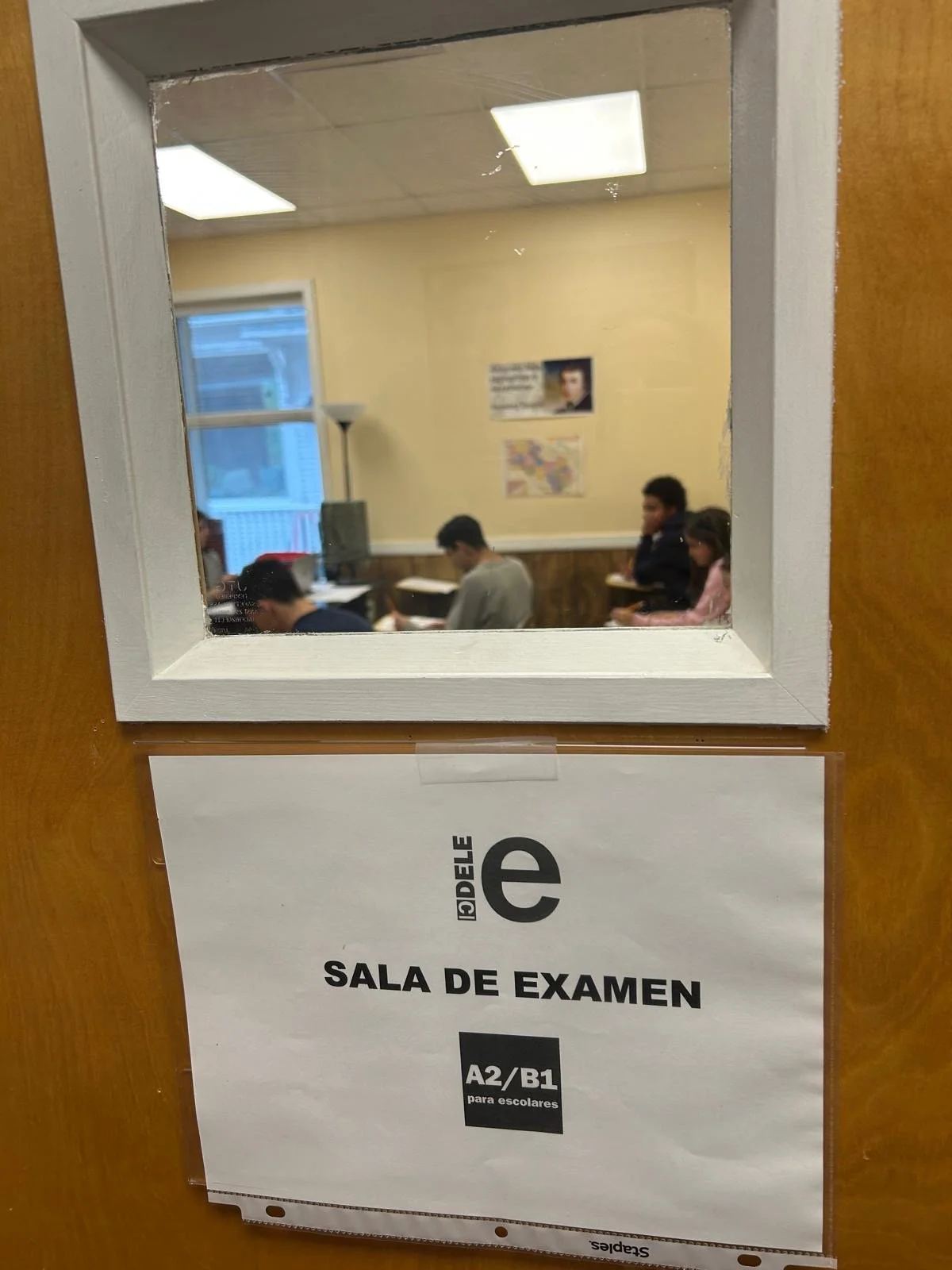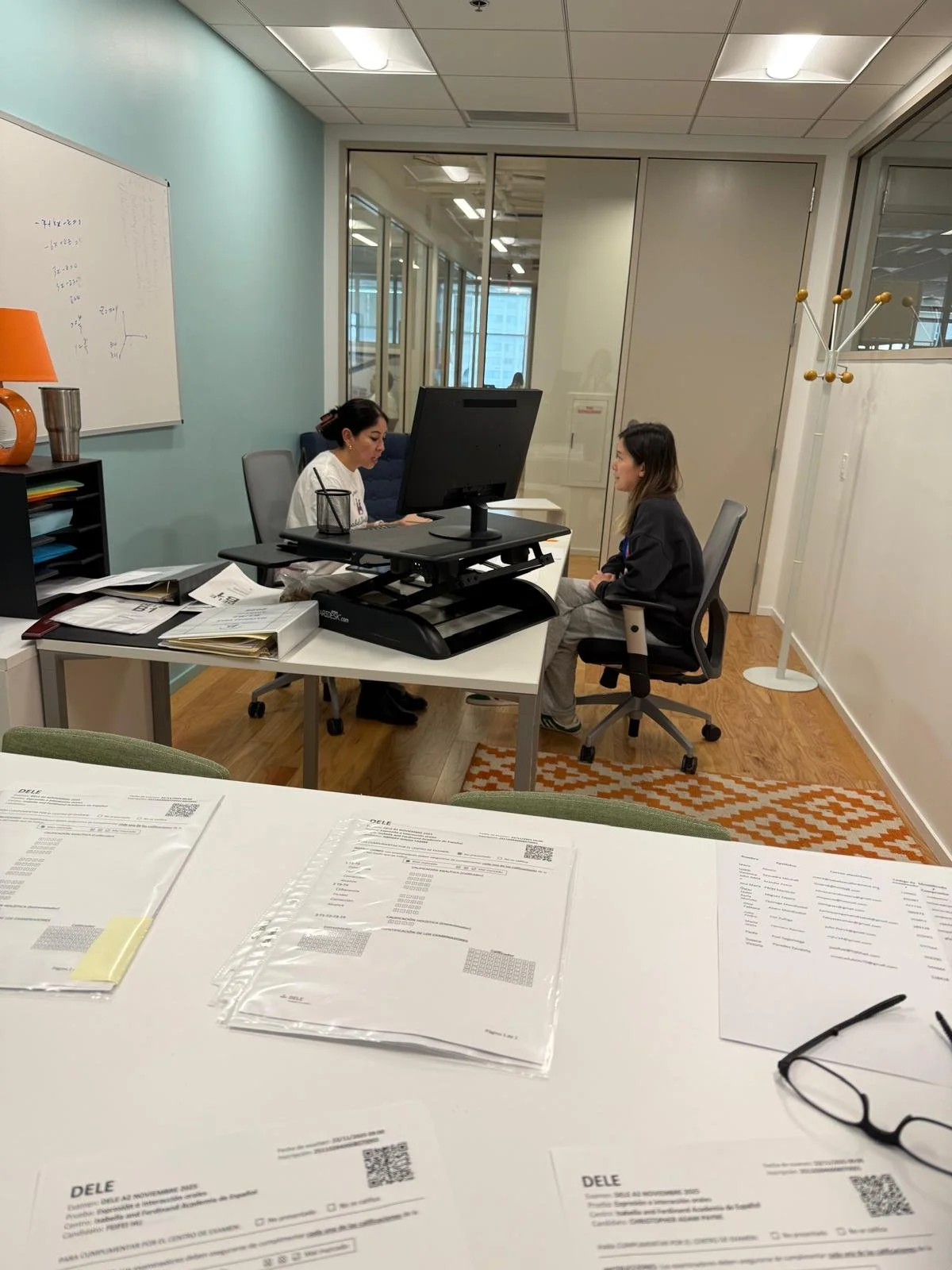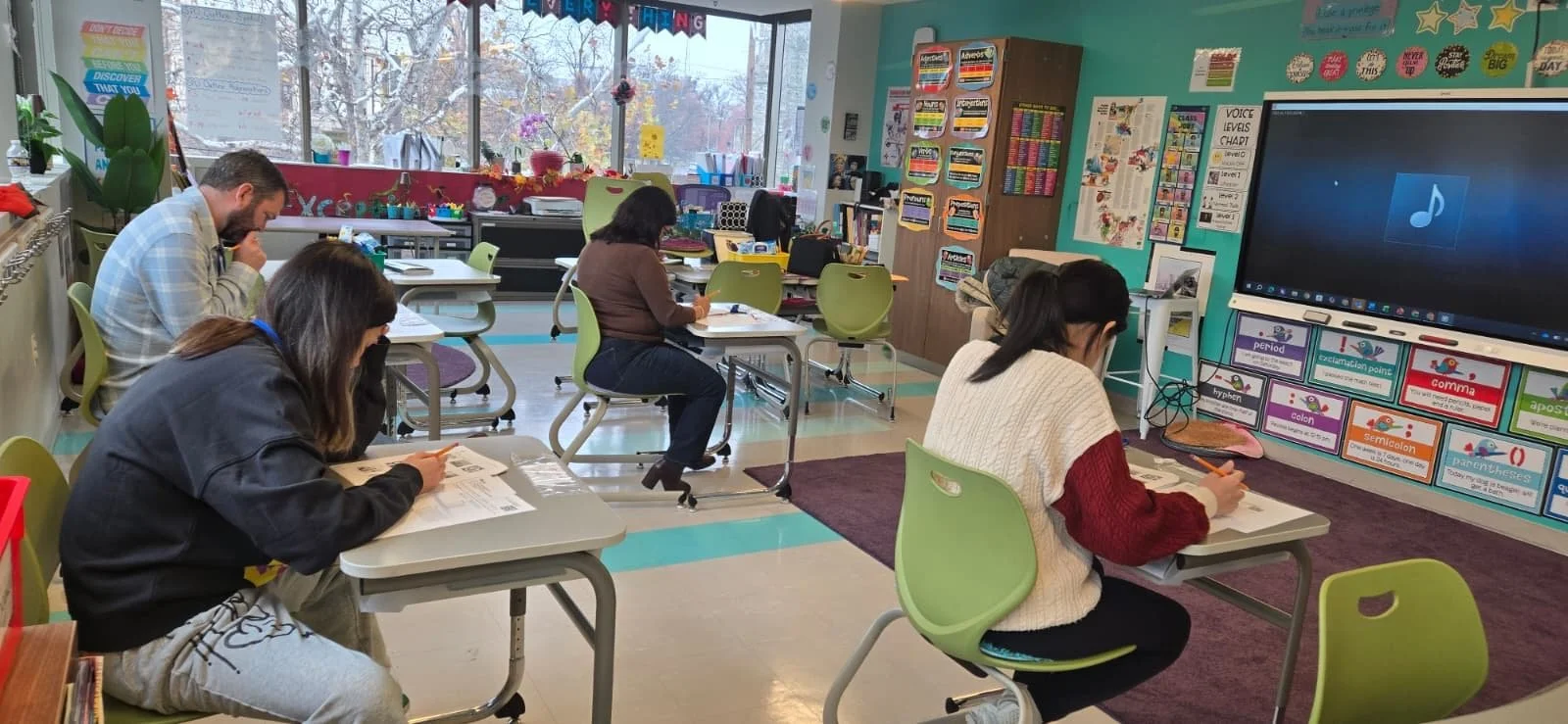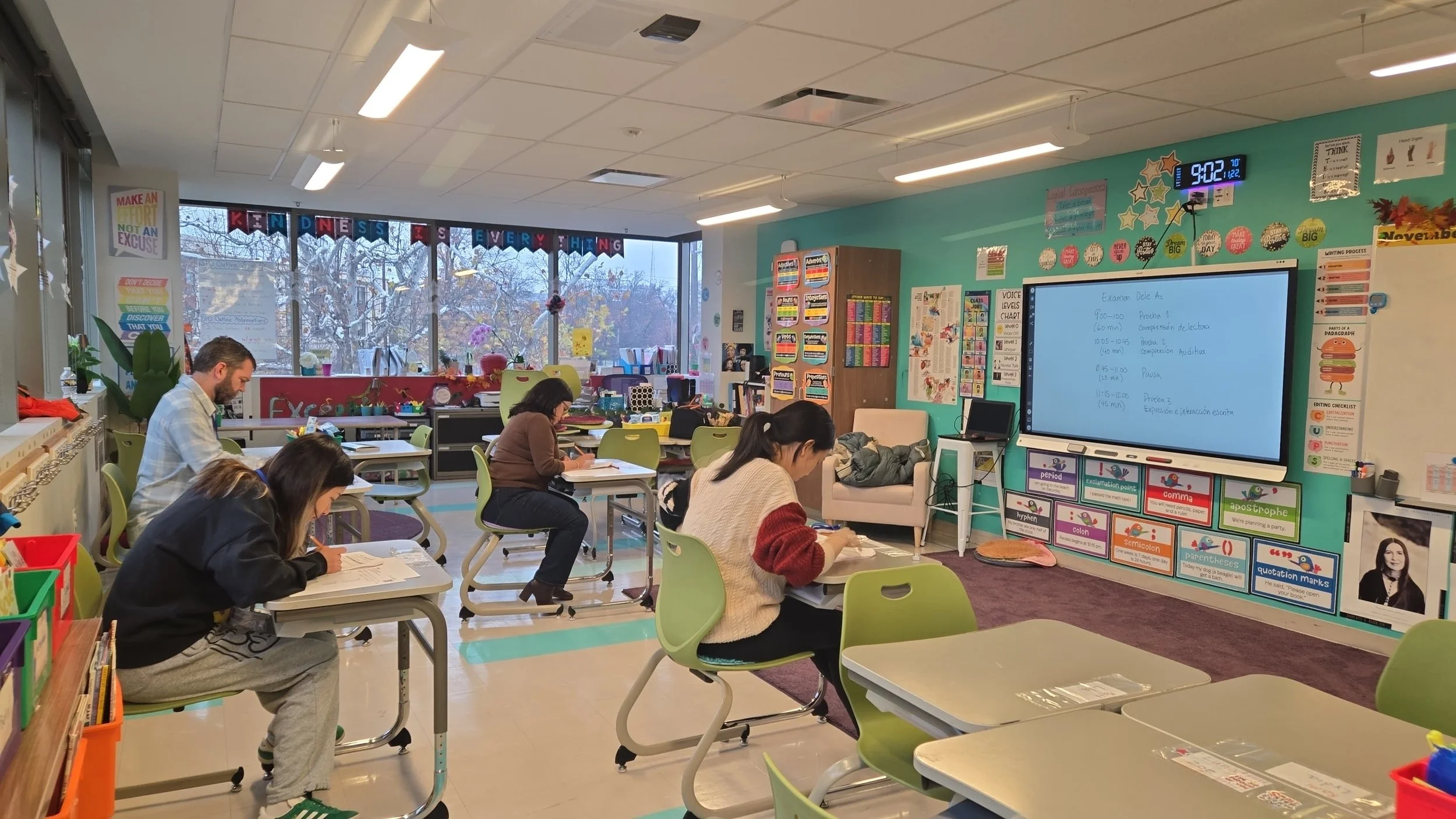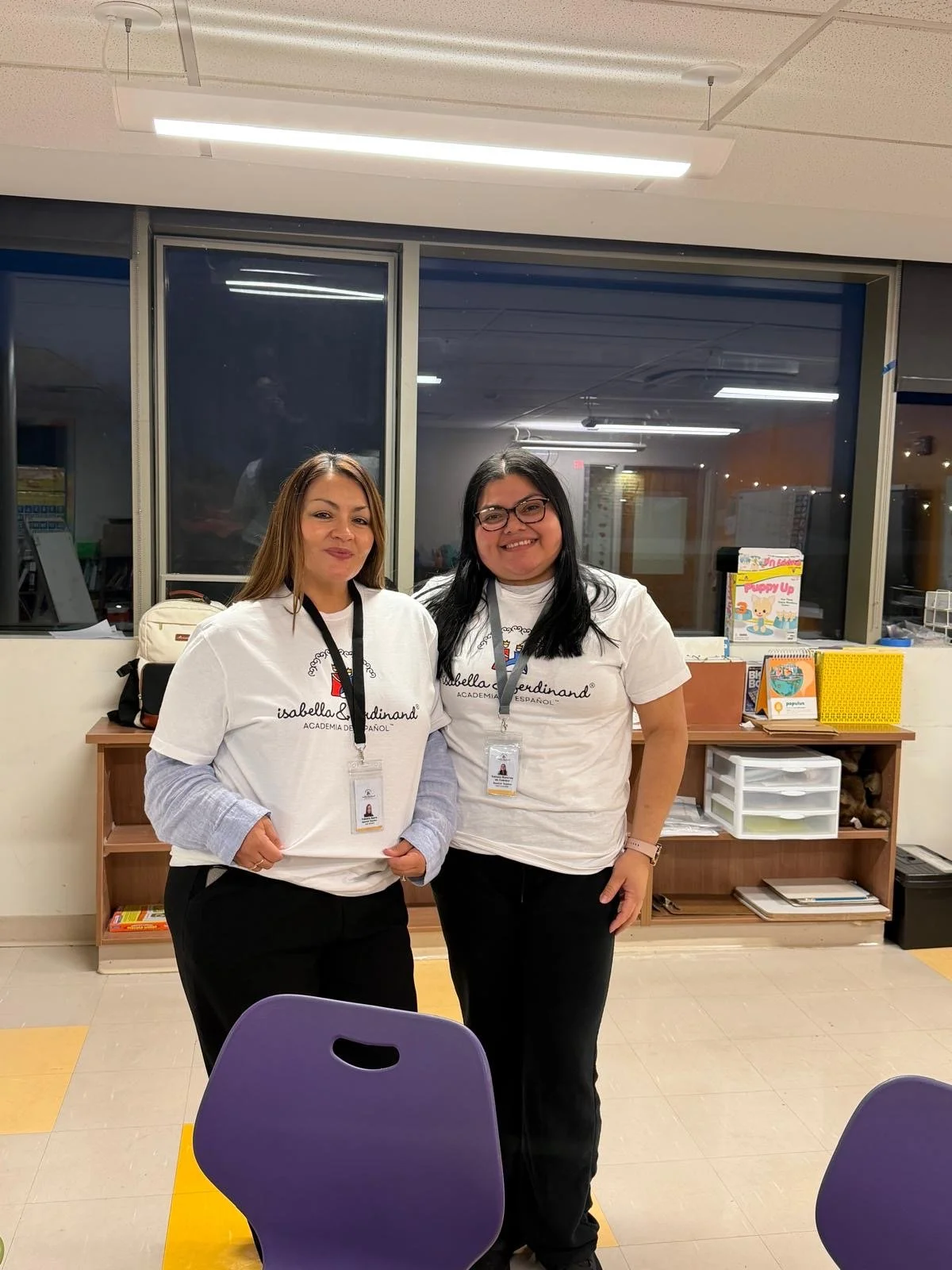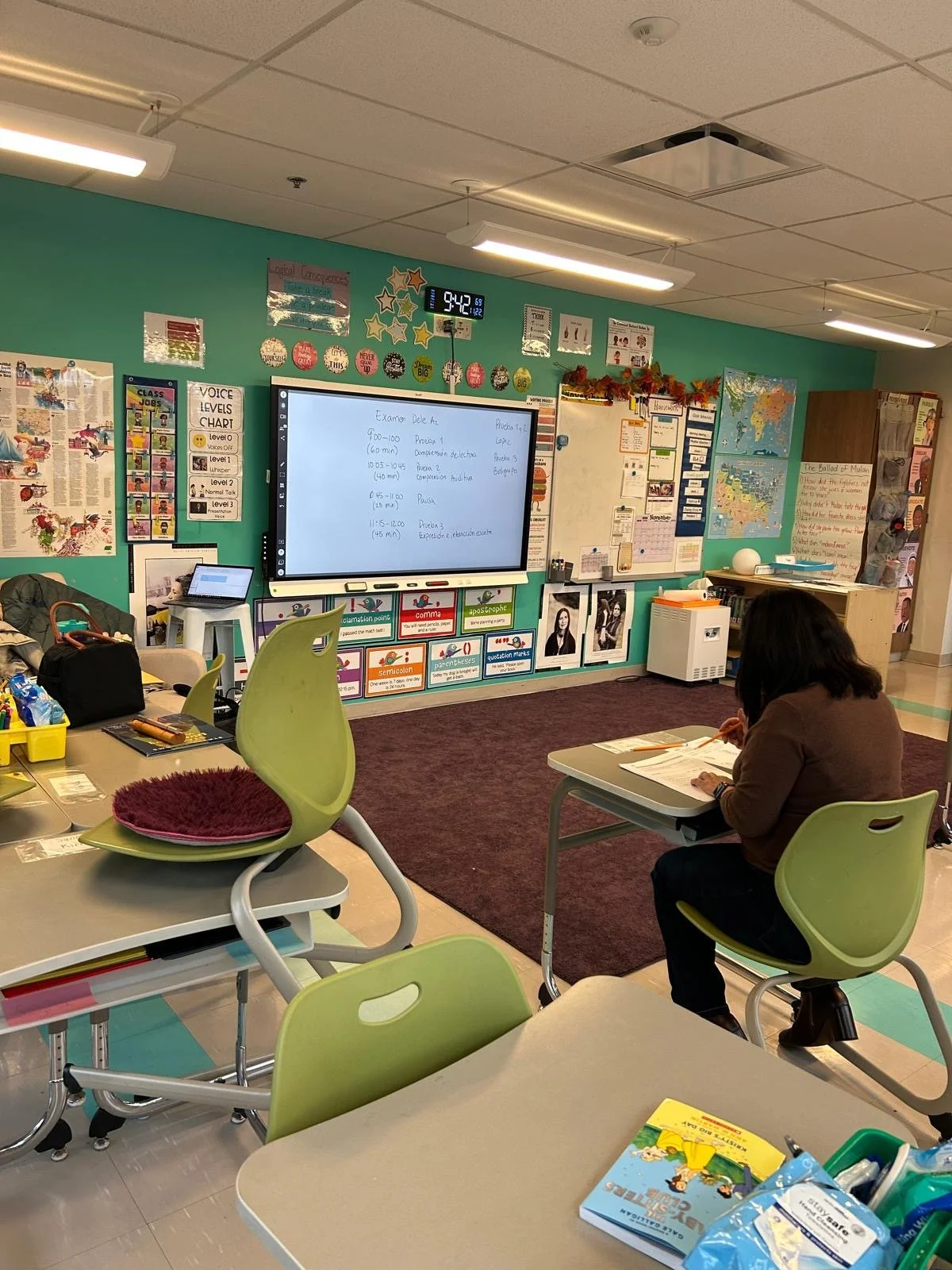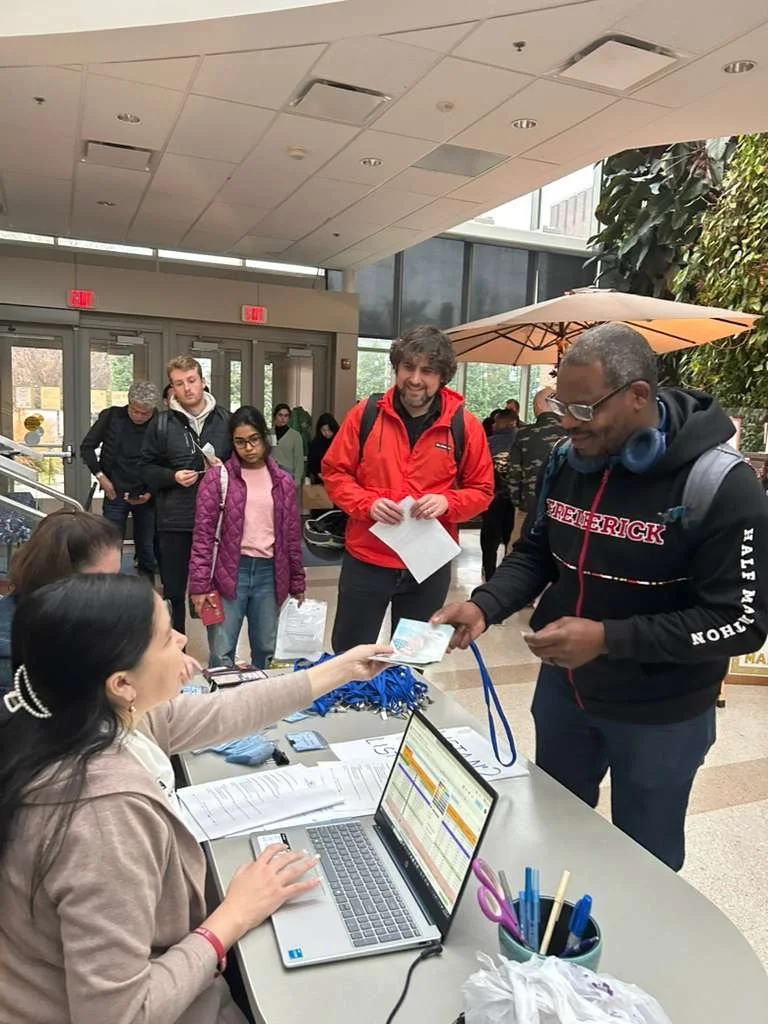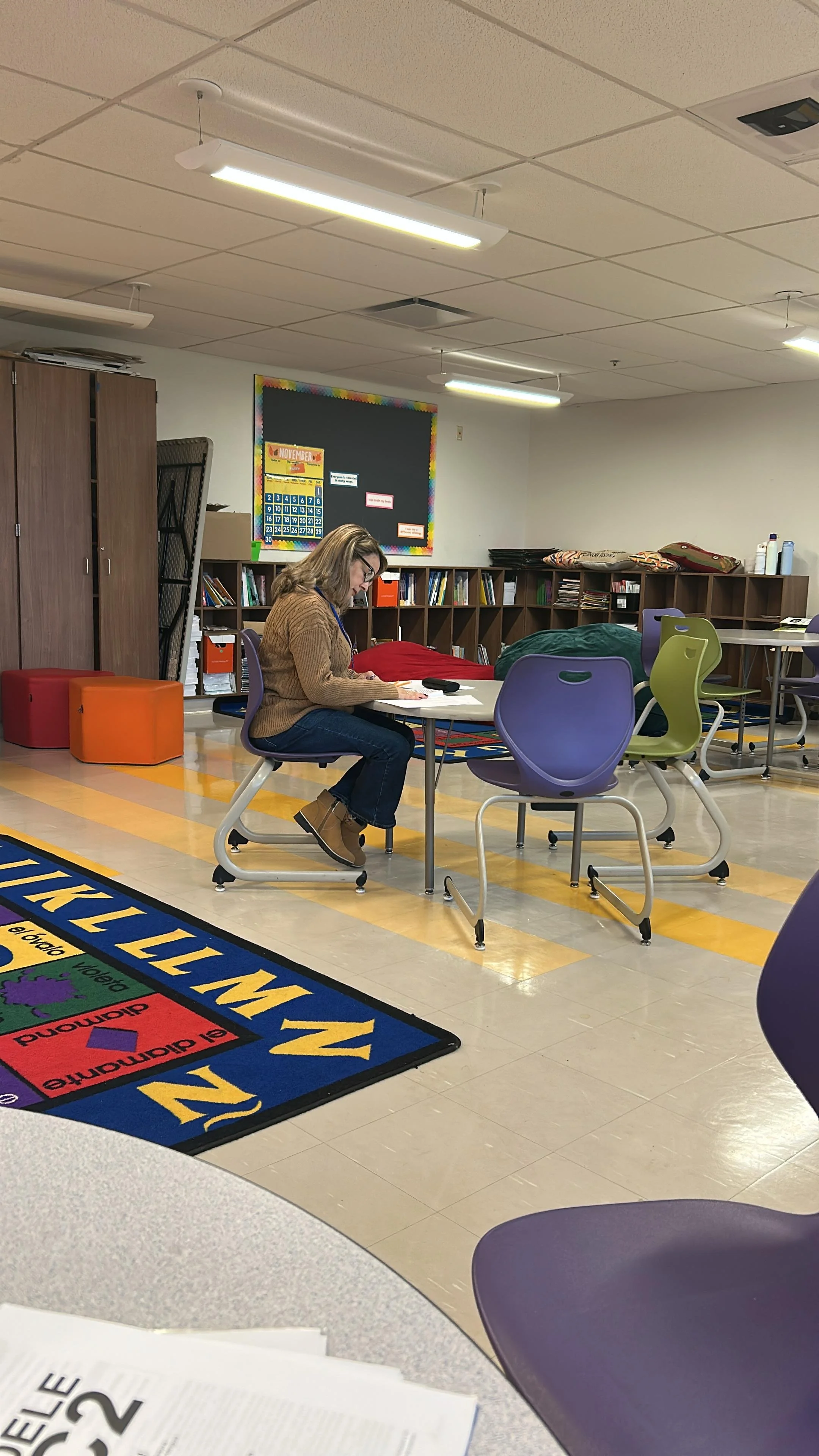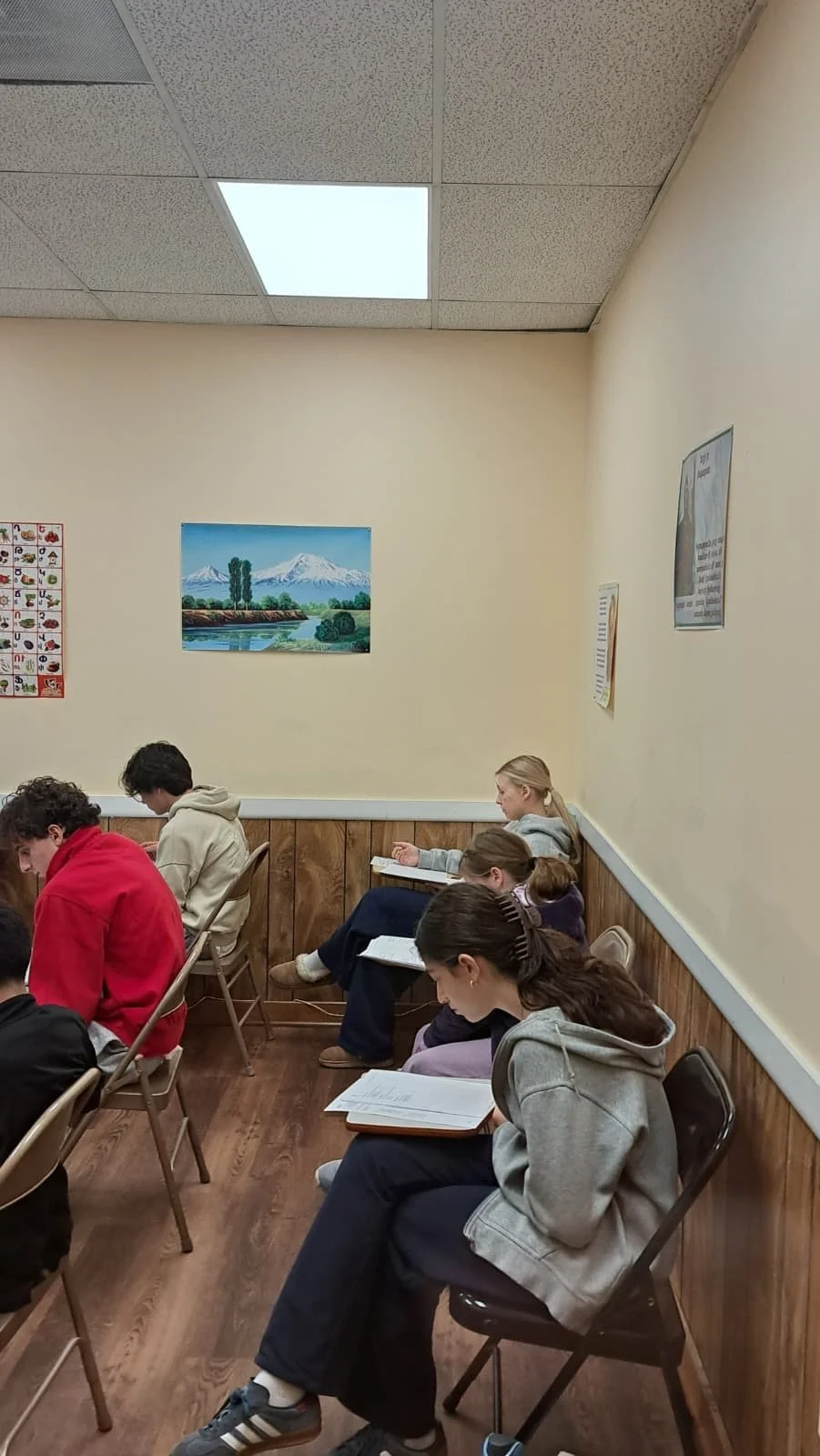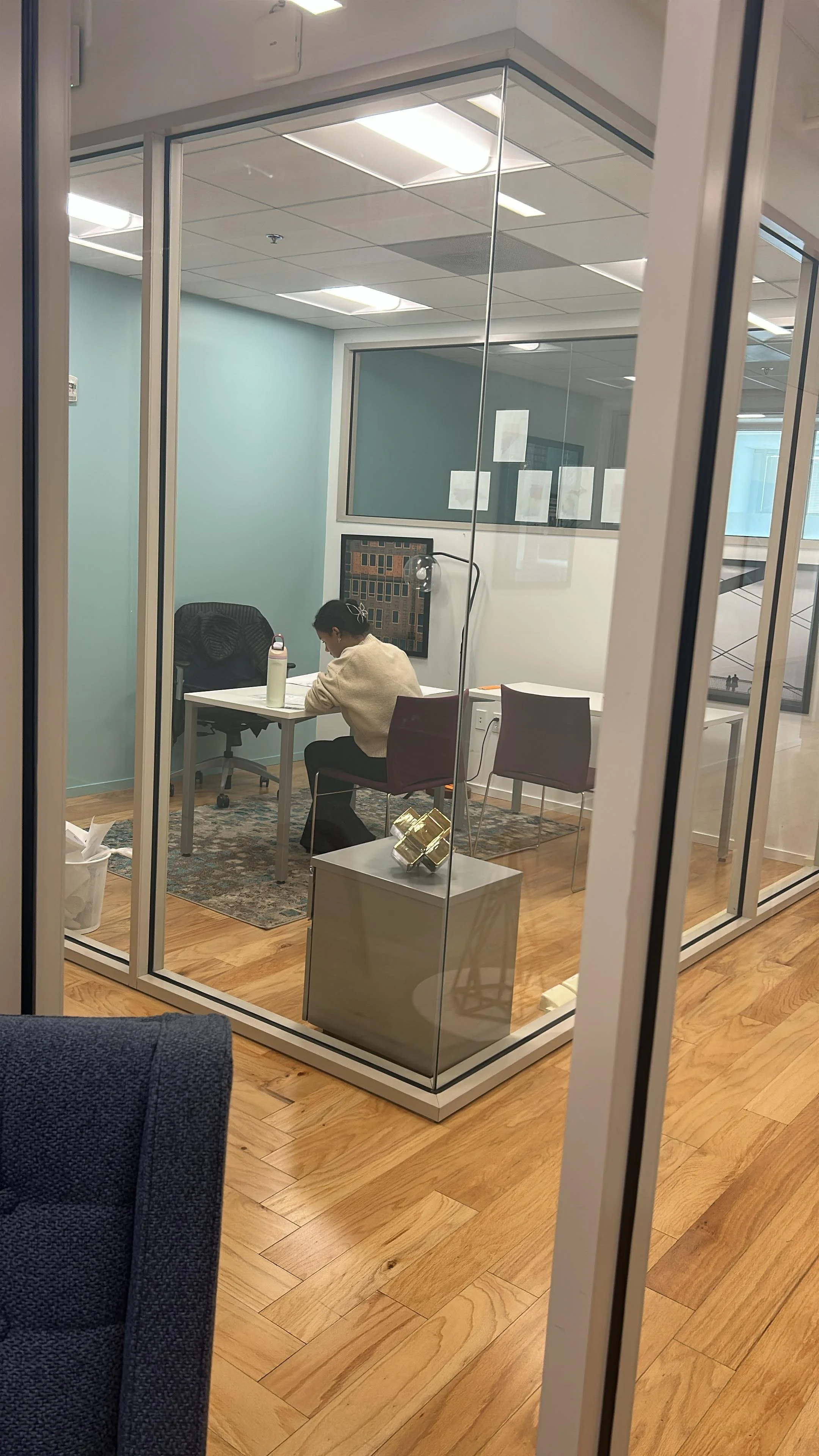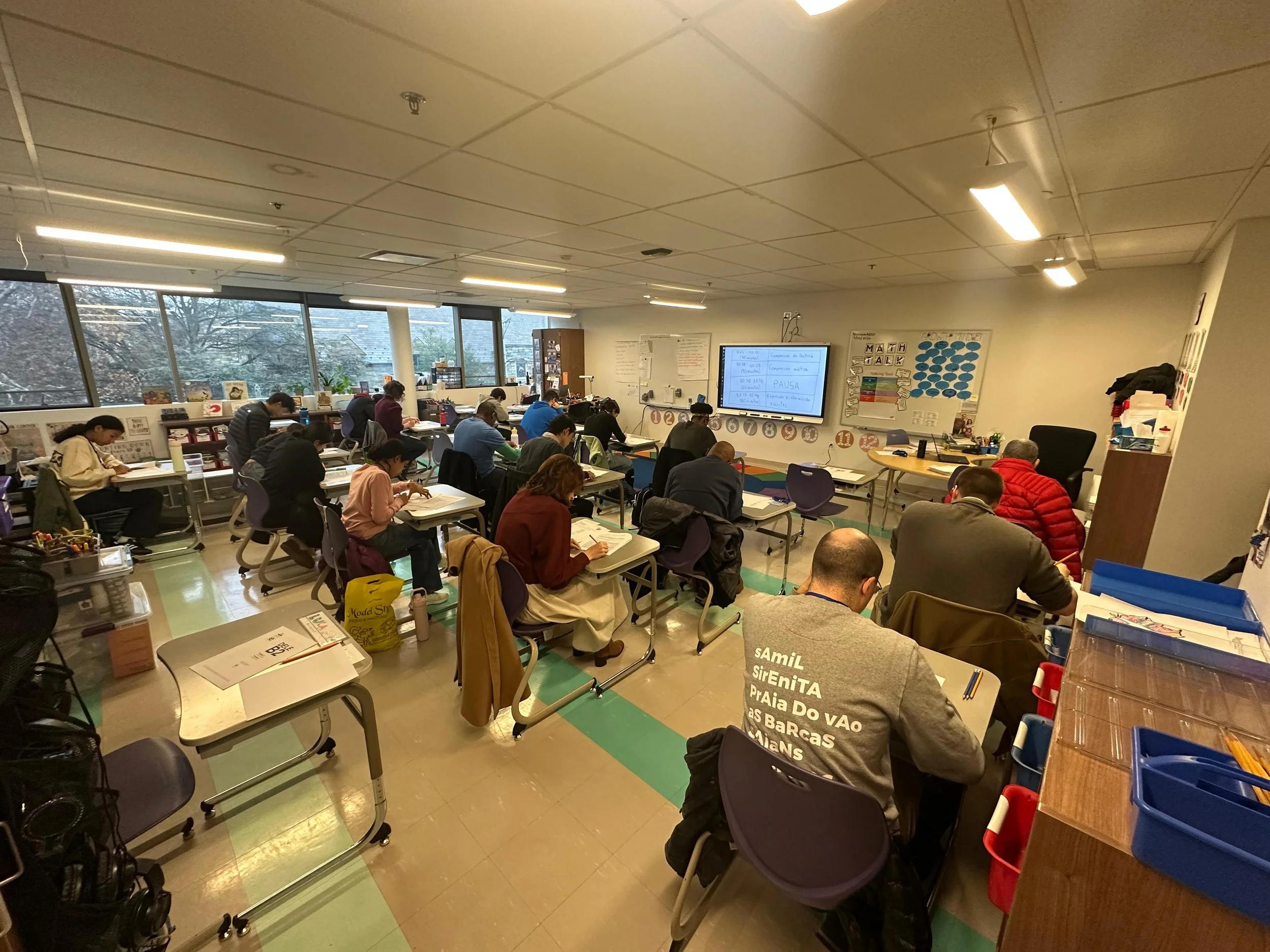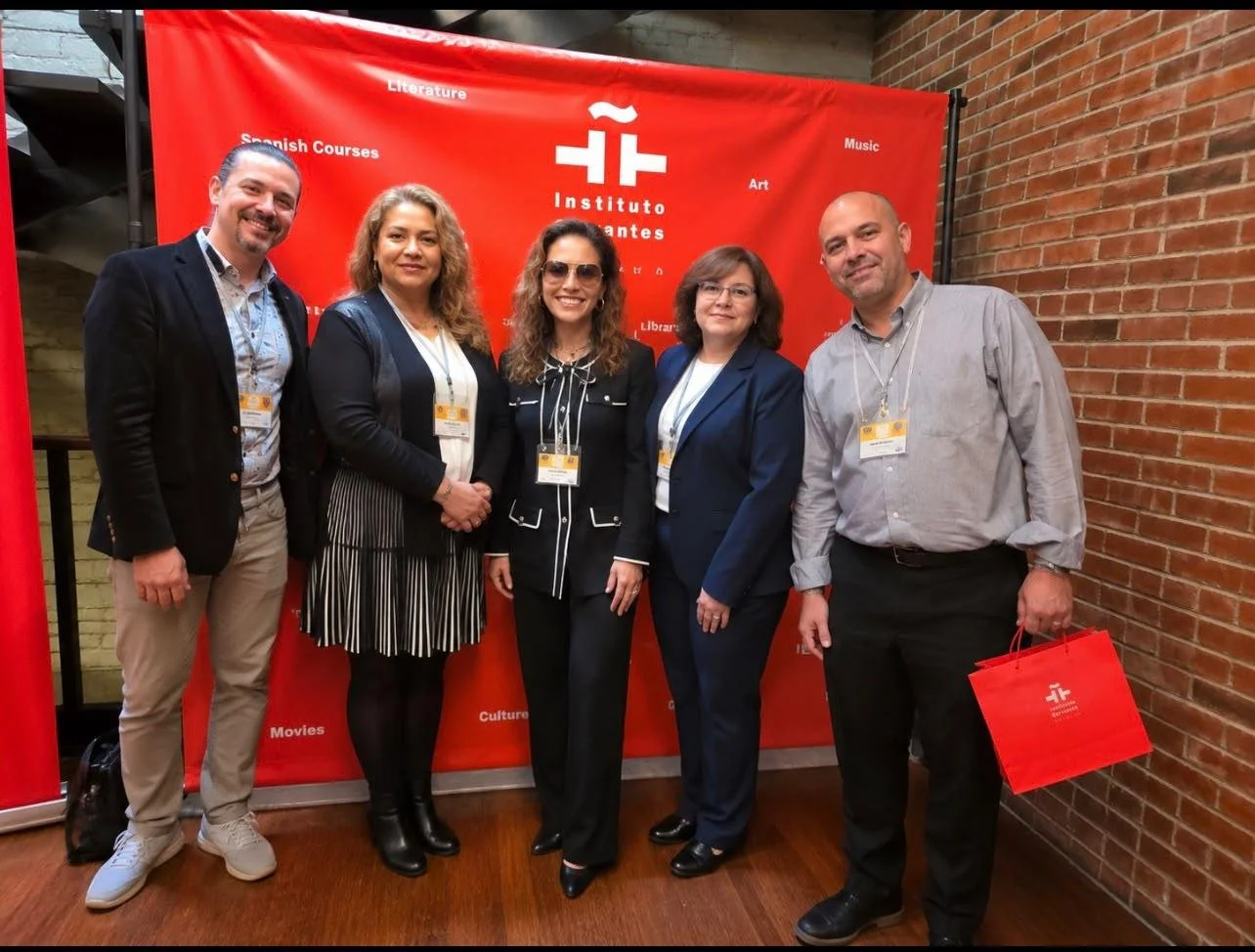
This November, Isabella & Ferdinand® Academia de Español™ reached a defining moment in its commitment to elevate Spanish language education in Washington, D.C.: the successful completion of our largest and most meaningful DELE Exam Session to date.
While numbers tell part of the story — growing from 13 candidates in 2023 to nearly 80 in November 2025 — the true significance of this milestone lies far deeper. It represents the trust of our community, the consolidation of our academic standards, and the powerful role that language and culture play in shaping future generations.
A Journey of Growth Rooted in Purpose
Our DELE journey began modestly in 2023, with a vision to offer families and professionals in Washington, D.C. access to internationally recognized Spanish certification.
Year by year, that vision expanded:
13 candidates in 2023
19 and then 25 candidates in 2024
36 candidates in May 2025
Nearly 80 candidates in November 2025
This growth is not accidental — it is the result of intentional work, academic rigor, and the deep conviction that language is more than communication: it is heritage, identity, and opportunity.
A Three-Month Operation Anchored in Excellence and Compliance
Behind this historic session was a carefully orchestrated, three-month effort, fully aligned with the strict international standards of Instituto Cervantes.
Every detail mattered — because every candidate mattered.
Our work included:
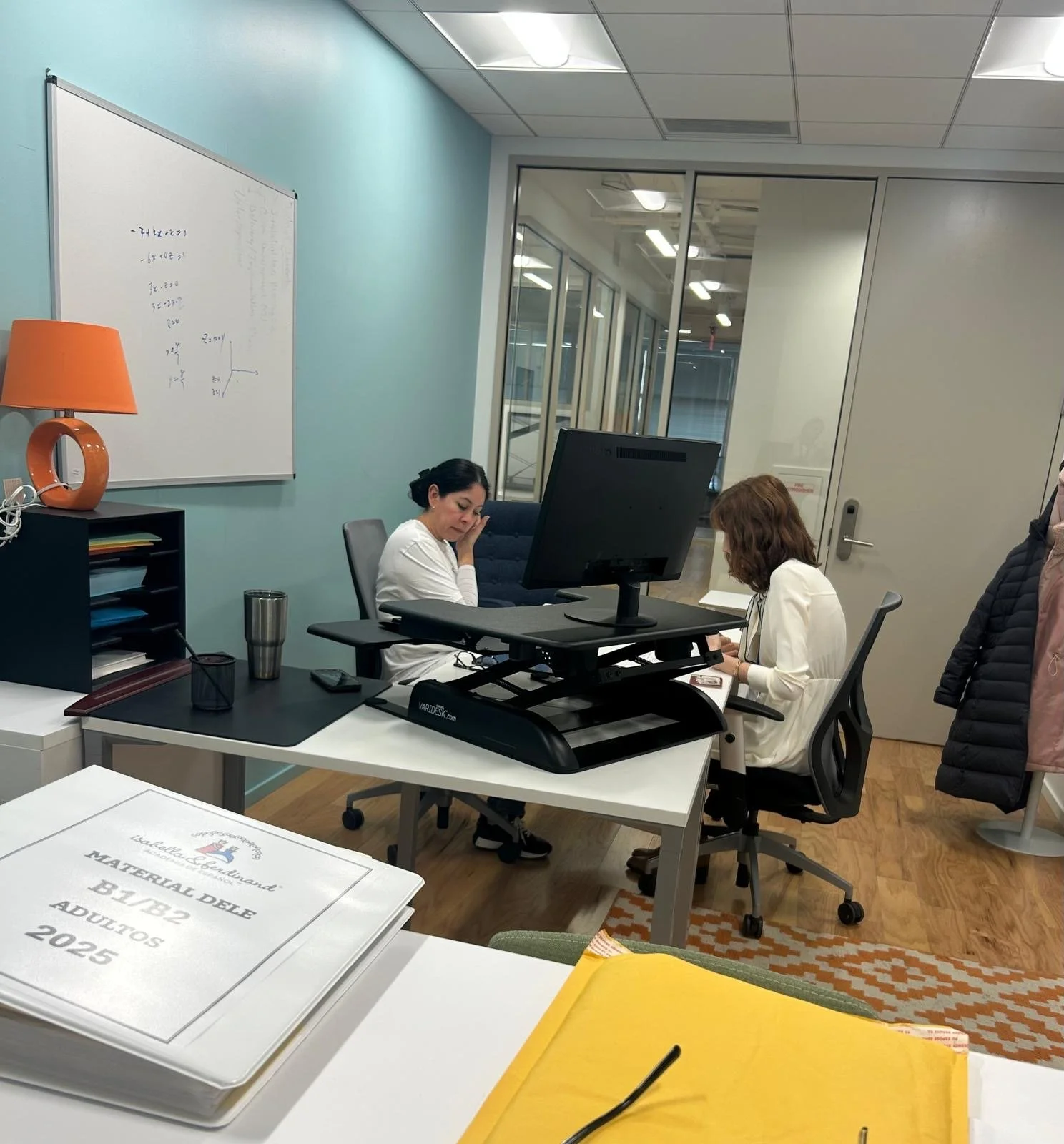
Accurate and secure management of registrations and official documentation
Step-by-step advising for candidates and families
Confidential handling of exam materials
Continuous coordination with Instituto Cervantes
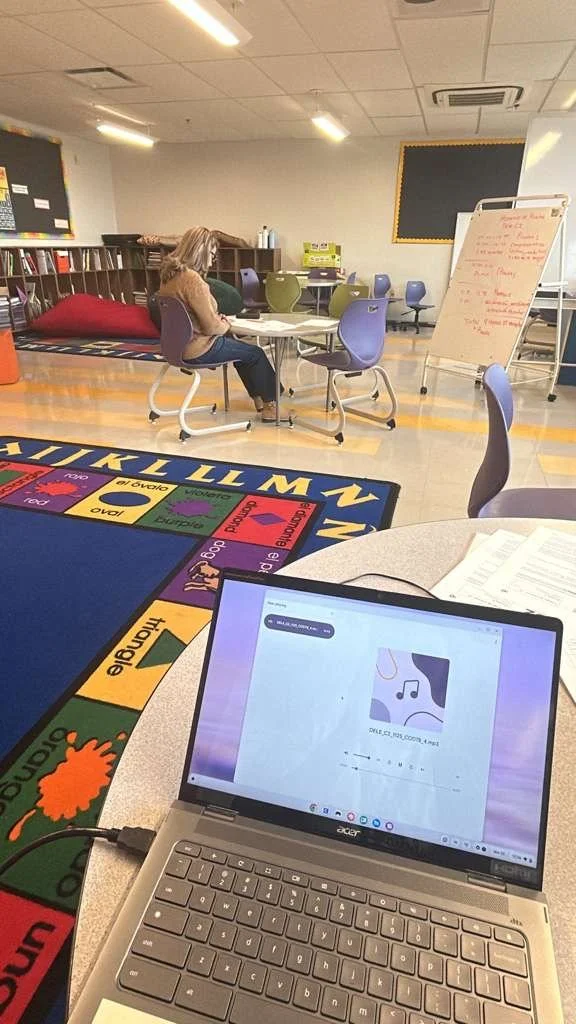
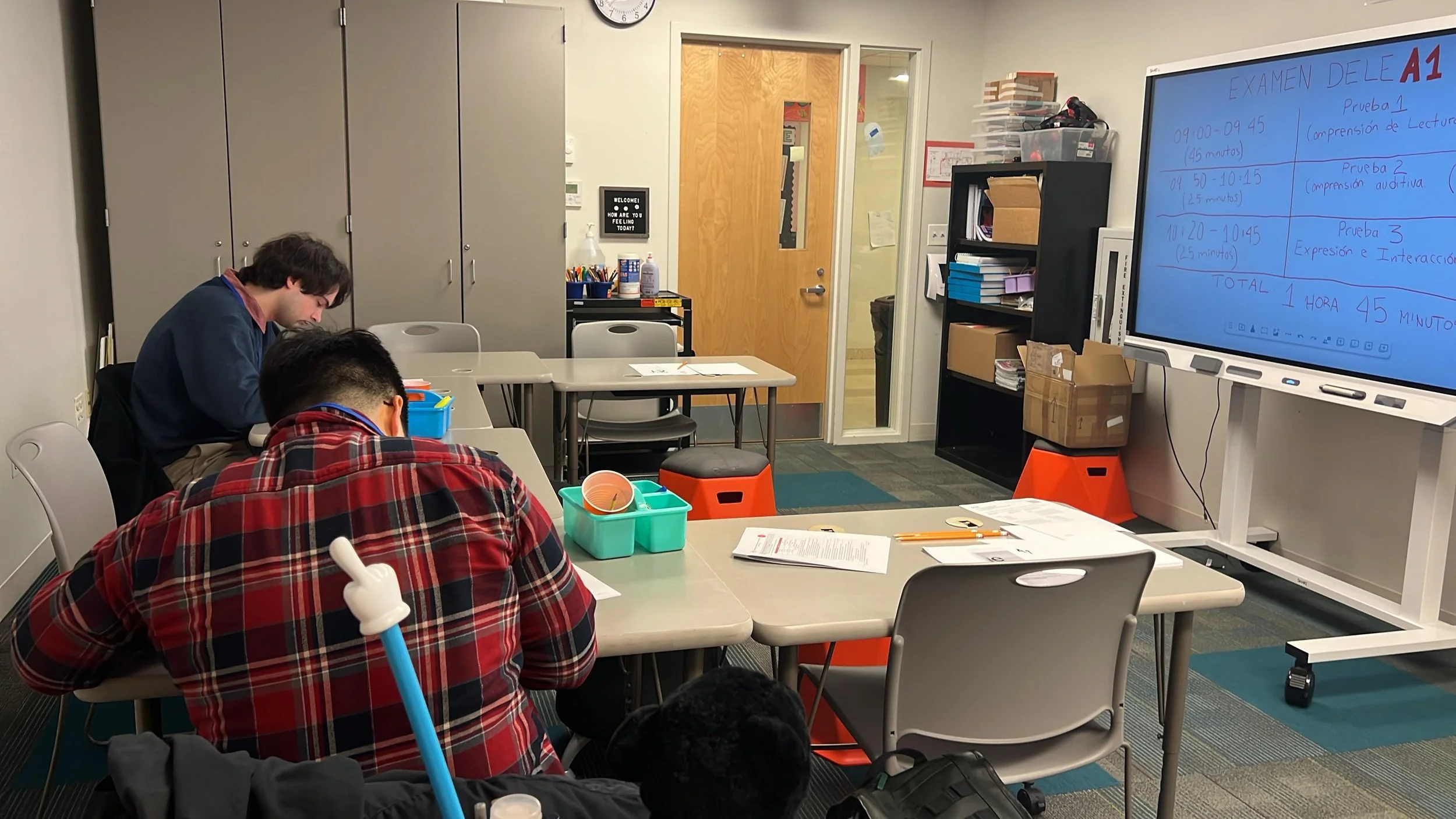
Creation of detailed schedules for written and oral components
Assignment and oversight of Instituto Cervantes–accredited examiners
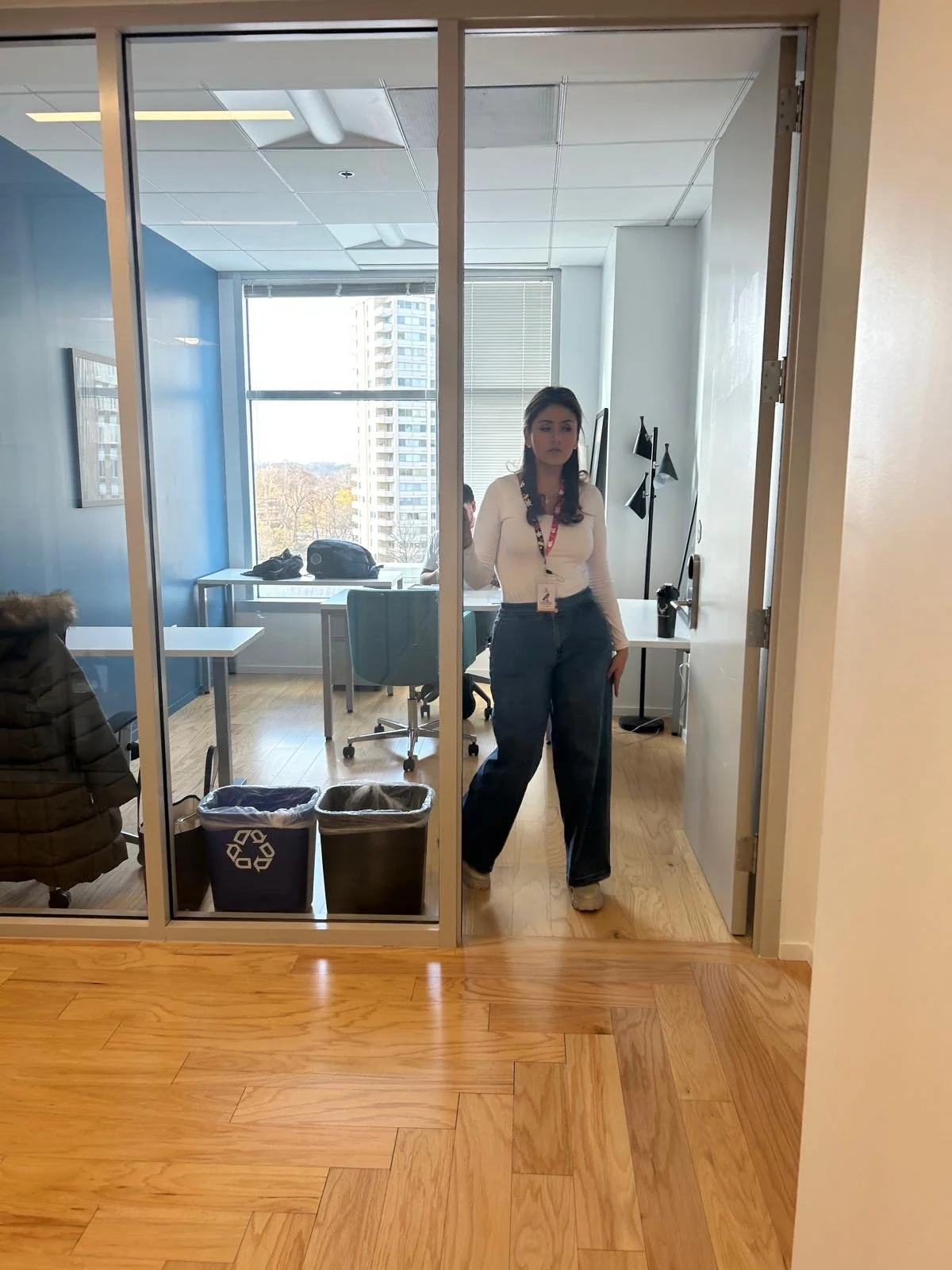
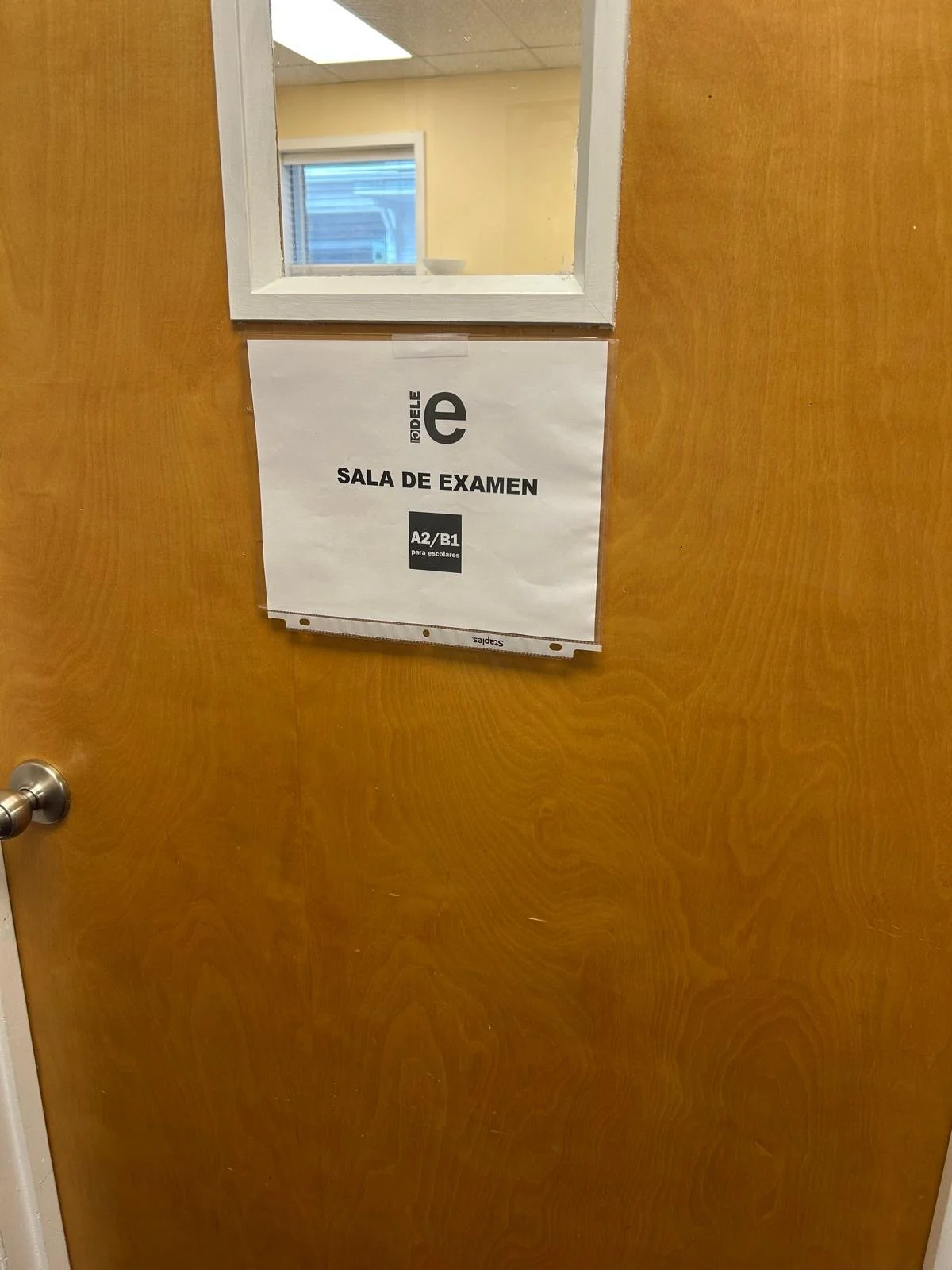
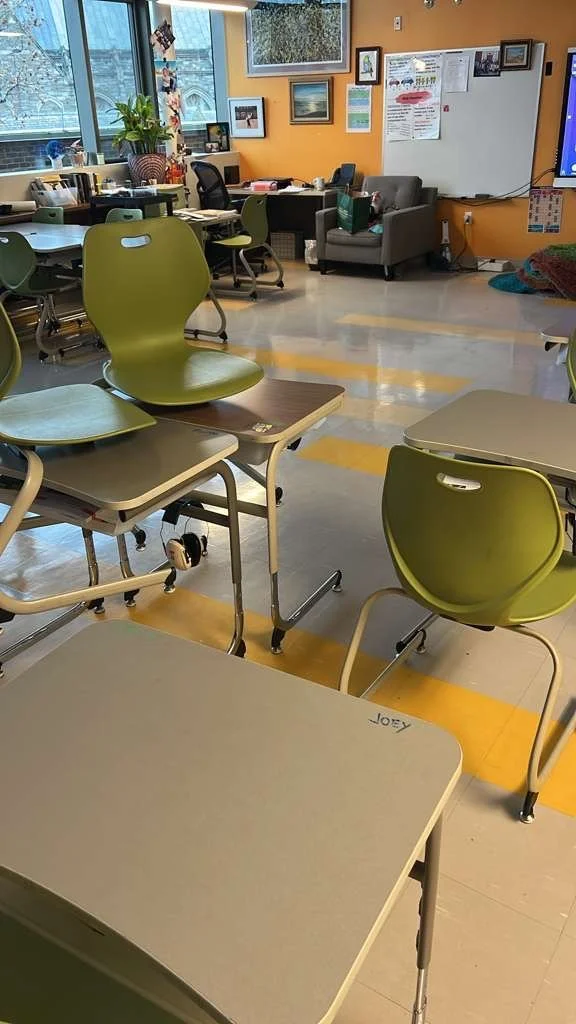
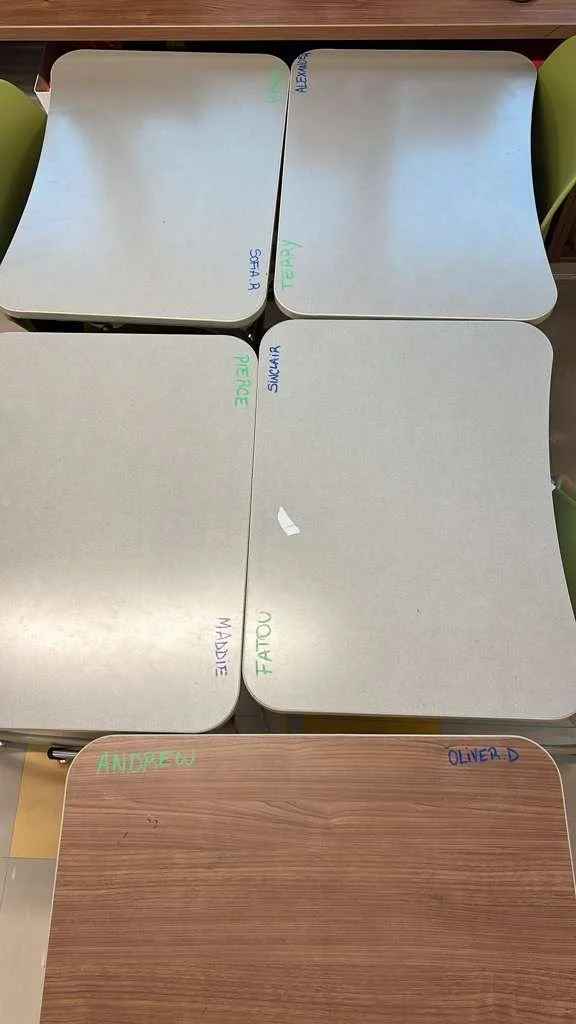
Preparation of controlled testing environments
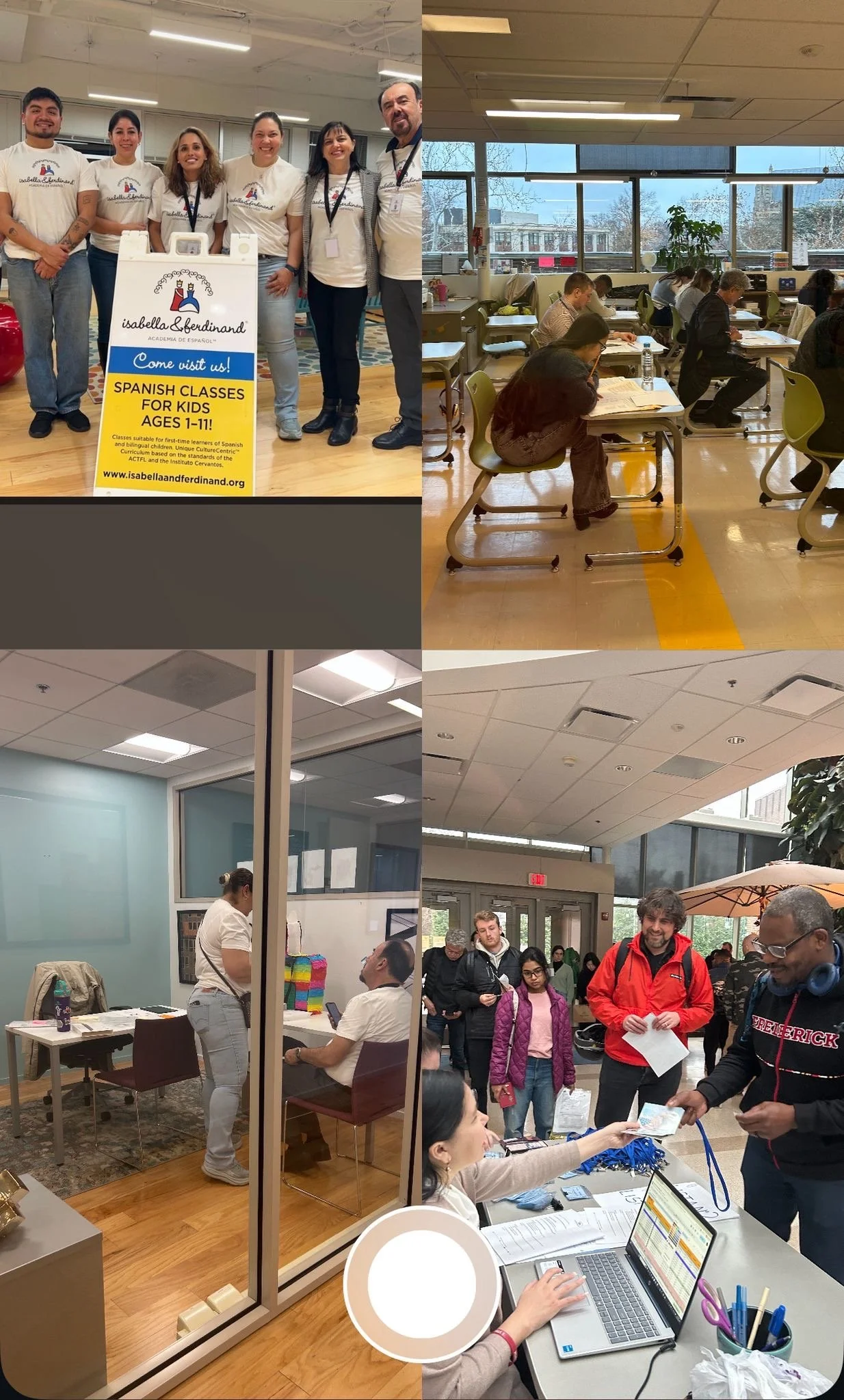
On-site logistics across three days of intense operation
This level of coordination reflects not just organizational maturity — but a profound respect for the integrity and global value of the DELE certification.
The Power of a Committed Team
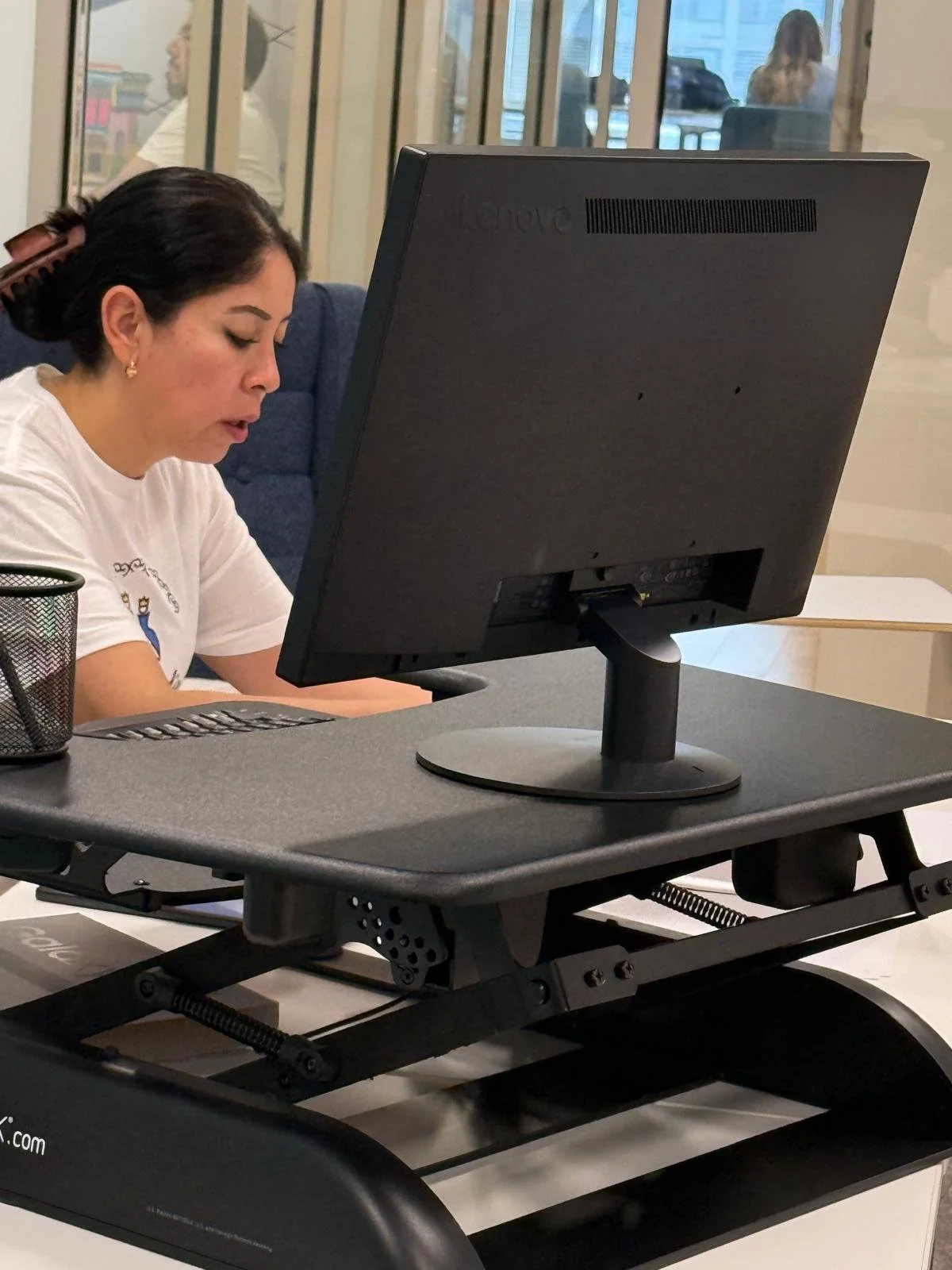
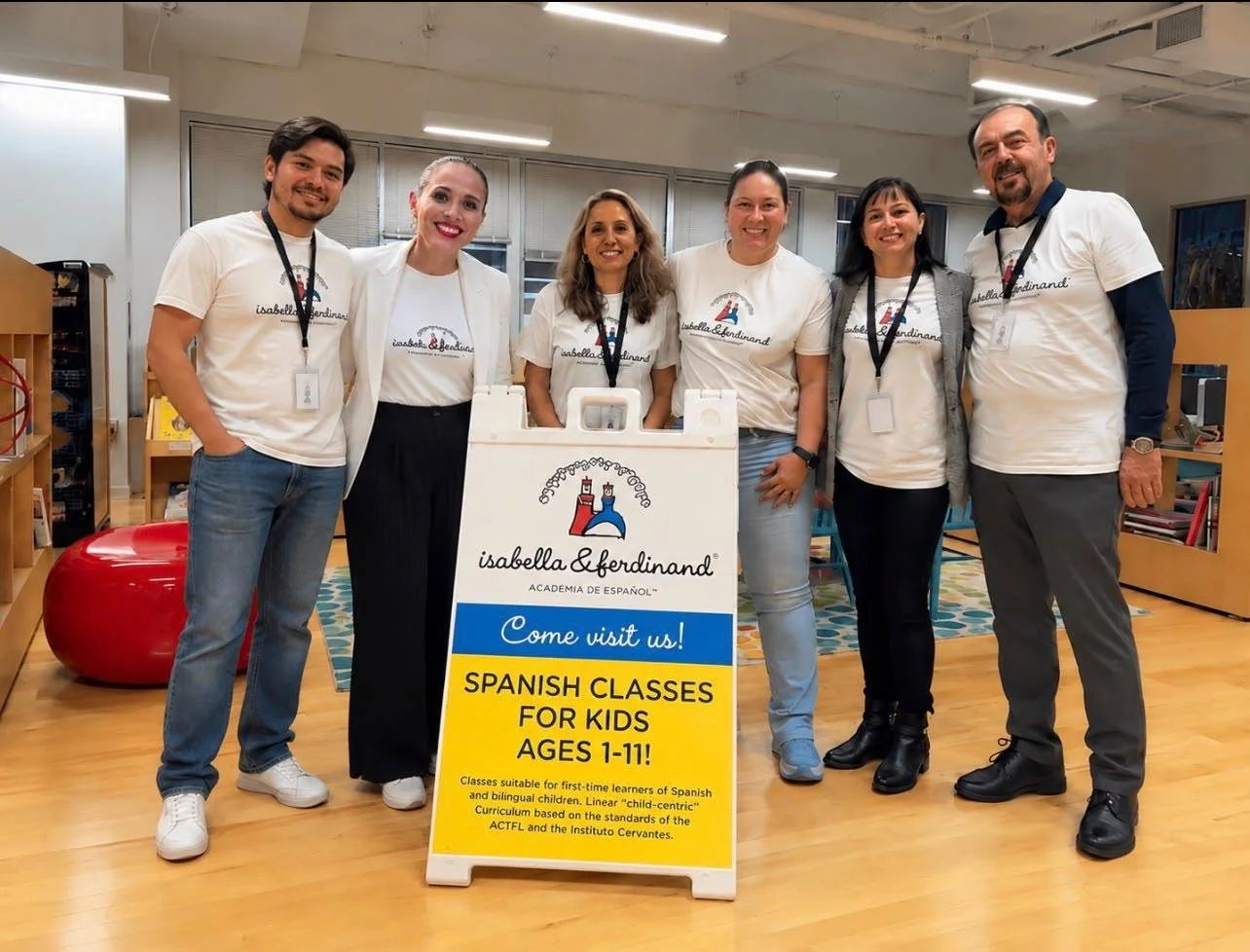
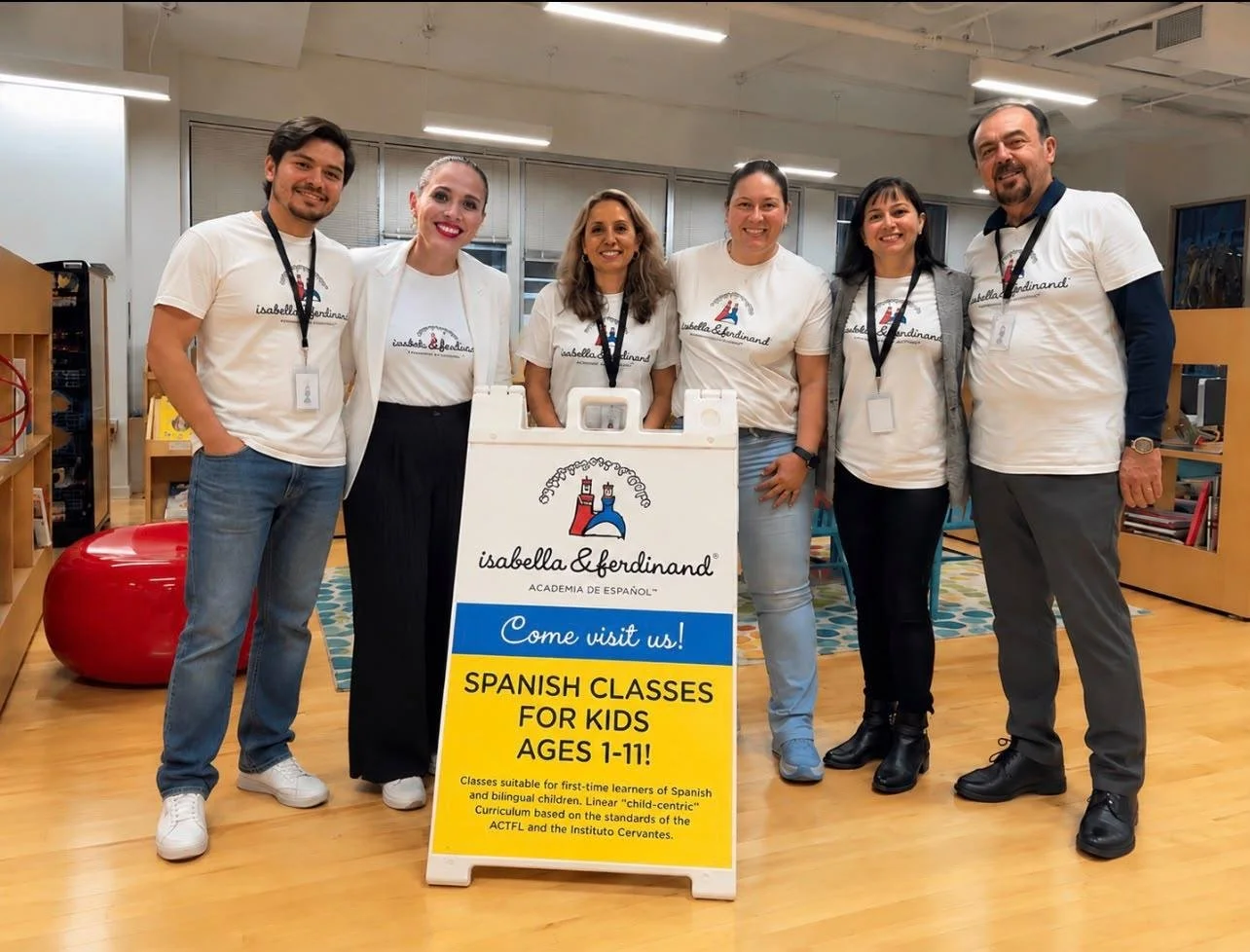
At the heart of this achievement was a team of more than 10 dedicated professionals:
coordinators, accredited examiners, teachers, volunteers, operational staff, and the Ethical Advisors communications & operations team.
Each person contributed with unwavering focus, ensuring that every candidate — from young school-aged learners to adults seeking official accreditation — experienced a process that was:
✔️ Organized
✔️ Respectful
✔️ Secure
✔️ Academically rigorous
✔️ Human-centered
Their collective work reflects our academy’s values: excellence, cultural stewardship, and community service.
More Than an Exam: An Institutional Responsibility
Being the only academy in Washington, D.C. authorized to administer all DELE levels carries profound responsibility.
This milestone confirms our commitment to uphold:
Academic excellence in every detail
Institutional integrity in every protocol
Cultural enrichment as the foundation of our teaching
Community trust, earned through transparency and professionalism
This November session was not simply an exam — it was a celebration of dedication, discipline, opportunity, and identity.
A Weekend That Marks Our History
76 candidates.
3 days.
A fully accredited, international operation.
A united team.
This session stands as one of the most meaningful accomplishments in the history of Isabella & Ferdinand® Academia de Español™. It represents the culmination of hard work, vision, and community support — and the beginning of an even brighter chapter.
Looking Ahead: May 2026 and Beyond
As we celebrate this achievement, we also look forward.
Our preparations for DELE May 2026 are already underway, grounded in the same principles that define us: cultural heritage, academic excellence, and a commitment to serving our community with purpose.
Isabella & Ferdinand® Academia de Español™
Where language, culture, and excellence come together.